

WILD TANZANIA - ZANZIBAR 11 Days
This itinerary visits Tarangire National Park, Ngorongoro Conservation, the Serengeti, and Zanzibar.
Tanzania is a mountainous nation where Mount Kilimanjaro is located. It is home to some of the oldest hominid settlements unearthed by archaeologists. Prehistoric stone tools and fossils have been found in northern Tanzania.
Two (2) of Africa’s Great Lakes are partly within Tanzania’s borders. Lake Victoria, Africa’s largest lake, and Lake Tanganyika, the continent’s deepest lake, are known for their unique species of fish.
Most of Tanzania is a large plateau, with plains and arable land. The renowned plains of Serengeti National Park, a safari mecca populated by the “big five” game, and the Ngorongoro Crater, the world's largest inactive caldera, reside here. On the eastern side lies the Zanzibar Archipelago, home to whale sharks and coral reefs. Tanzania is similar in size to the countries of Colombia and Namibia.
<The Photo Gallery can be found at the bottom of this page>
ℹ️ Essential Tips:
Because safaris are usually once-in-a-lifetime, it's best to book with a tour operator.
Travelwildnow.com recommends choosing a licensed tour operator for your trip because they provide many benefits and conveniences. To find reliable tour operators, check trusted travel guides like Lonely Planet, Bradt, and Fodor’s.
A tour operator handles hotels, meals, transport, guided tours, and expert guides — often at competitive prices
for good safari value.
Currency: USD is accepted at most tourist destinations. Tanzania strictly rejects any US dollar bills printed before 2009.
All cash brought into the country must be crisp, uncreased, and Series 2009 or newer.Always keep your camera in a clean, dust-free bag. You'll be driving on unpaved roads where dust can get into the jeep
and damage the camera.A tourist Visa is required - apply online. Tanzania requires U.S. citizens to buy a 1-year multiple-entry Visa for $100.
Consider travel insurance.
Vaccines and malaria medication may be required.
You may need to show proof of yellow fever vaccination if you’re arriving from outside the U.S. or Canada.
The itinerary below will provide a guideline for your adventure.
The One Booking Mistake That Destroys African Safari Plans
Missing a connection doesn't just disrupt your trip—it can ruin the costly safari tour you've planned for months.
Give yourself 3+ hours if you are connecting between two commercial flights on the same day.
⚠️ Why a tight connection becomes a logistical and financial nightmare for your safari:
You Pay for an Empty Luxury Lodge: Safari lodges are usually all-inclusive and can cost hundreds per night.
The "Bush Taxi" Won't Wait: Bush planes fly only in daylight because remote dirt airstrips have no lights. If your international flight arrives late, the bush plane will leave without you.
Stranded Without a Guide: Safari operators schedule pickups precisely. If you miss your arrival window, the guide can’t wait all day—they must go back to the lodge for other guests. Rescheduling a remote pickup is very hard because cell service is unreliable.
The Domino Effect on Activities: Safaris center on fixed morning and evening game drives. Missing your connection often costs 24–48 hours, ruining the wildlife sightings you came for.
The Reality: A missed connection can force your safari operator to redo your itinerary, often costing thousands in last‑minute charter flights and lost bookings.


WHAT DOES A TYPICAL SAFARI DAY LOOK LIKE?
05.30 AM: wake-up call by a knock and animal sounds.
06.30 AM: after coffee or tea and a morning snack, start the morning safari with a game drive or boat trip.
09.30 AM: extensive breakfast.
10.00 AM - 2.30 PM: time to relax and have lunch.
02.30 PM: second game activity, either a drive or motorized boat trip.
07.00 PM: back in the lodge for dinner and leisure time.
10.00 PM: bedtime.
DAY 1
Arrive at Kilimanjaro Airport and transfer to your accommodations.
A tour operator representative will meet guests at the airport.
Overnight: If your flight lands late in the afternoon or evening, do not attempt the 4-hour drive to Tarangire. The roads are dark, wildlife can be unpredictable, and you'll arrive at your lodge exhausted.
Drive time:
Kilimanjaro airport ---> Arusha, 1 hour
Kilimanjaro airport ---> Tarangire Park lodge/camp, 4 hrs. / 200 km.
Arusha ---> Tarangire National Park, 3 hrs.

Planning and map
DAY 2
The park is famous for its high density of baobab trees and elephants and for the termite mounds that dot the landscape.
From June to October (dry season), visitors can see large herds of zebra and wildebeest,
Cape buffalo and other common animals.Game drives are scheduled early morning, afternoon, and evening.
Overnight: Tarangire Park [where to stay]
DAY 3
Depart Tarangire for Ngorongoro Crater. It is the world's largest inactive, intact, and unfilled volcanic caldera.
The Ngorongoro Conservation Area is a World Heritage Site, located west of Arusha in the Crater Highlands area of Tanzania. The caldera measures 22 km (14 mi.) across. The crater itself is 600 meters (2000 feet) deep to the bottom.
The crater is home to leopards, hippos, lions, and hyenas. What you will NOT FIND is giraffes. Giraffes cannot walk down because the crater walls are too steep.
The crater rim offers wide views and great photo opportunities.
Overnight: Ngorongoro Park [where to stay] [Planning + Map]
Drive time: Tarangire ---> Ngorongoro Crater, 3 hrs. / 120 km.
Experience an African Safari !
DAY 4
Morning game drive on the Ngorongoro Crater floor.
The crater floor is an impressive ecosystem filled with a diversity of animals.
The Ngorongoro Conservation Area is a major prehistoric site. Fossils found there are among the oldest evidence of early humans.
In the afternoon, embark to Serengeti National Park.
Overnight: Serengeti Park (3 nights) [where to stay]
Drive time:
Ngorongoro Crater ---> Serengeti Park. 3.5 hrs. / 160 km.
DAYS 5 and 6
Two (2) exciting days at Serengeti National Park. [Planning + Map]
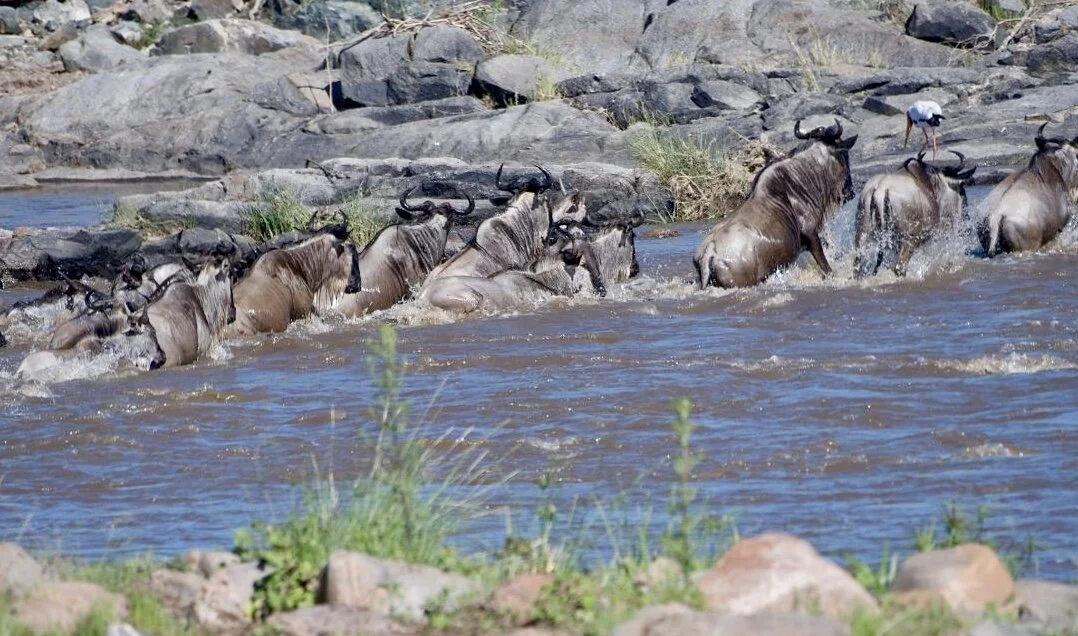
The Park is located in the Serengeti ecosystem within the Mara and Simiyu regions. It is here that the well-known annual migration of over 1.5-million white-bearded (or brindled) wildebeest, 250,000 zebra, and the numerous Nile crocodiles occurs.
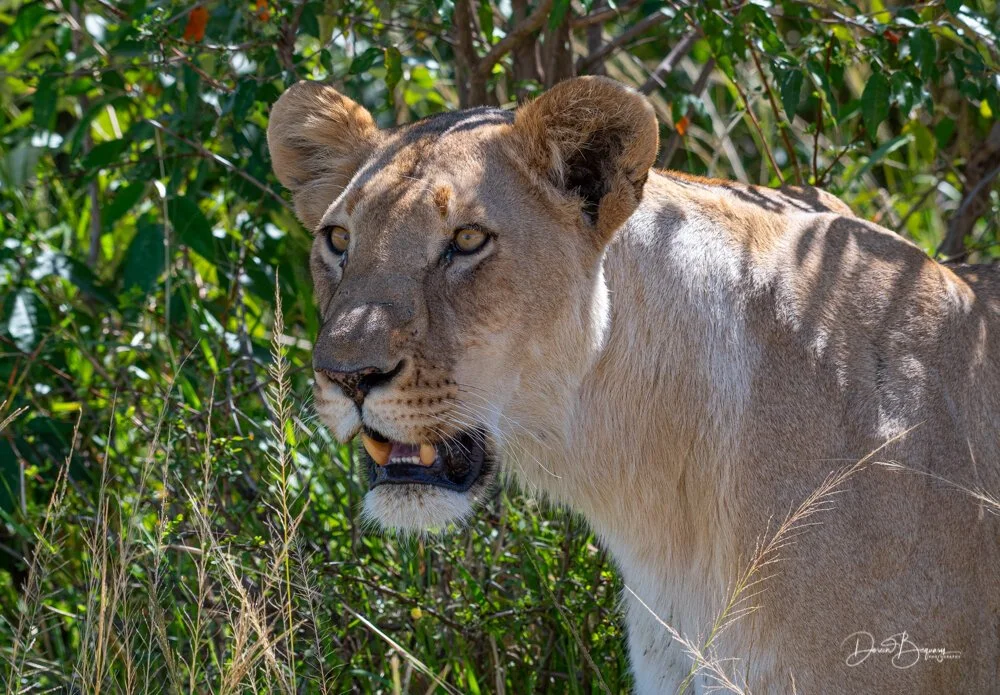
Lobo Valley (Northern Serengeti): The valley is a frequent spot to catch a glimpse of the famous migration. Starting from July through November, millions of wildebeest, gazelles, and zebras congregate in the region during The Great Migration. Plus, the Lobo Valley is one of the only places in the park where all three (3) big cats-lions, cheetahs, and leopards roam.
Seronera Valley (Central Serengeti): The Seronera River Valley has many permanent lodges because it's great for wildlife viewing. That’s convenient for travelers who want comfort, but it can be a downside for those who prefer watching animals away from crowds.
Morning, afternoon, and evening game drives.
Overnight: Serengeti Park.
DAY 7
Depart the Serengeti and transfer to Kogatende Airstrip (North Serengeti) or Seronera (central) for your flight to Zanzibar.
⚠️The small planes (flying out of the Serengeti) usually have total weight restrictions of 15 kg for luggage & carry-on combined.
Luggage must be entirely soft-sided (duffel bags) with no rigid wheels or frames.
Make sure you check with your airline. [Learn more]
If airline baggage rules worry you or you fear small planes, consider traveling by road.
⚠️ Be aware that the distances are long and the roads can be very dusty and bumpy.For instance, traveling from Serengeti to Arusha airport by road would require a 12-hour drive. Once you reach Arusha airport, you then catch a flight to Zanzibar to your next destination.
Arrive in Zanzibar and transfer to your beachfront hotel, and relax for the rest of the day.
DAYS 8-10. Discover the exotic island of Zanzibar.

The beaches are stunning, with powdery white sand and palm trees shading them. The sea is shallow and tropical, and the reefs are great for snorkeling and diving.
Along Zanzibar’s eastern coastline runs a protective barrier reef, and next is the Indian Ocean. This is where the best beaches are located, with coral white sand and tranquil waters. [Learn More]
Because of its location, barrier reef, and outstanding beaches, Zanzibar can offer all of the attractions that most visitors crave, such as scuba diving, glorious beaches, and fresh seafood.
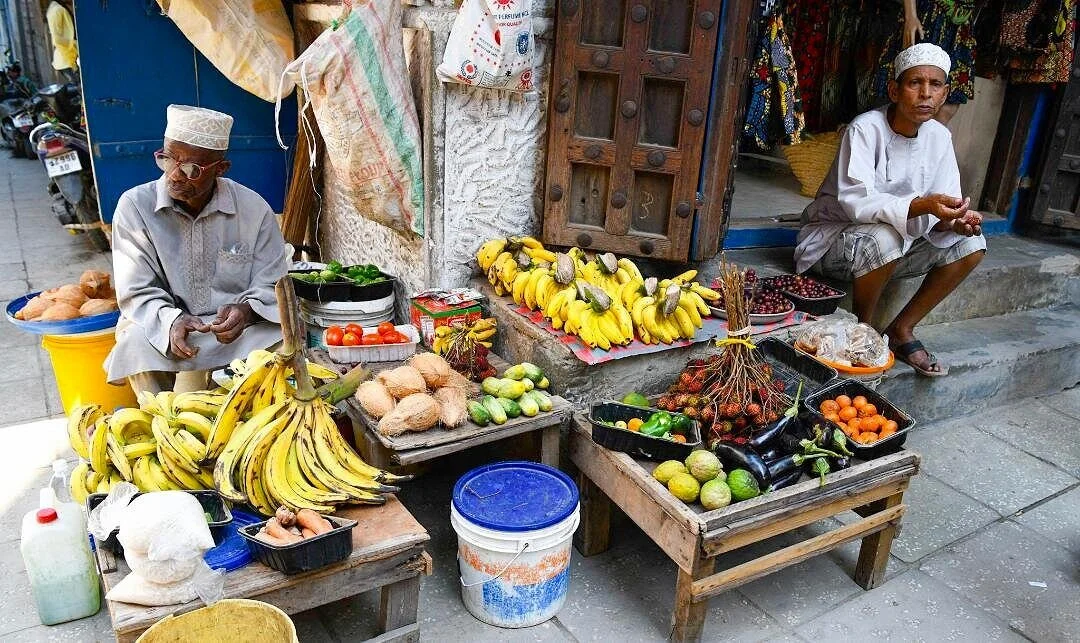
Visit Stone Town. The heart of Stone Town is made up of a maze of narrow alleys lined by houses, shops, bazaars, and mosques. Since most streets are too narrow for cars, the town is crowded with bicycles and motorbikes. Zanzibar is famous for its doors. The best-known feature of the Zanzibar houses is the finely decorated wooden doors, with rich carvings.
Visit the old slave market, the House of Wonders, the Darajani marketplace, the Old Fort, and the Sultan’s Palace.
Zanzibar was once one of the world’s leading producers of spices such as clove, nutmeg, and cinnamon.
Take a Spice Tour if time allows.
The islands in the archipelago are highly fertile, with many agricultural resources. There are small farms, and the air smells of spices.
Where to stay: The East Coast of Zanzibar is arguably the best location for visitors due to its picture-perfect beaches.
Our top choice: Breezes Beach Club and Spa.

Distances:
The island is fairly undeveloped with only around five (5) main roads.
—Geographically, Zanzibar is 40 km
(24 mi.) across and 100 km. (60-mi.) from north to south at its widest points.
Stone Town to Breezes Beach Club, 70 min.
—Stone Town to Nungwi, 1.5 hrs.
DAY 11
Depart Zanzibar for your flight home or your next African destination.


Average cost:
(EXCLUDING AIRFARE)
$$$ USD per person:
Budget: $3500
Moderate: $5300
Luxury: $6500 +

🌤️ Climate

When to go on a Tanzania Safari?
The best time to visit Tanzania for a safari is usually from mid-June to late October, with the peak around July and August. From late April to September, the weather is generally good, with comfortable temperatures between 20°C (68°F) and 25°C (77°F).
The months February, March, May, November, and December have a high chance of precipitation.
The northern circuit parks in Tanzania have dry periods from June through October.
The warmest months are December through February.
The coolest months are June through August.
Best time to visit Zanzibar:
There are two (2) rainy seasons in Zanzibar.
The main season, called the "long rains," is from April to May.
The second rainy season, "the short rains," is from November to December.
The best times to visit Zanzibar are from June to early October, during the cool, dry months, or from
January to February, when it’s hot and dry.
Tanzania Gallery
🎬 Video






Source: wikipedi.orgNo copyright infringement is intended on this website by travelwildnow.com