

SOUTHWEST, USA 12 Days
This itinerary visits Las Vegas, Bryce, Grand Canyon & Zion National Parks, Antelope Canyon, Monument Valley & Sedona, AZ.
This expedition spans the most iconic landscapes in North America—from the high-octane energy of Las Vegas to the silent, towering monoliths of Monument Valley. You will stand on the rim of the Grand Canyon, navigate the glowing slot canyons of Antelope, and find serenity among the spiritual vortexes of Sedona.
Across three states and thousands of years of geological history, this itinerary is a front-row seat to the raw beauty and rugged spirit of the American West. The Southwest has deserts, cacti, red rocks, mountains, and city resorts.
<Scroll down to the bottom of the page for the Photo Gallery>

ℹ️Essential Tips:
🚗 This route has long drives, but the miles deliver an unforgettable family experience.
⚠️ Never hike alone. If an injury occurs, your partner is your lifeline.
—Carry enough water and food in case you get lost. Wear good hiking shoes and light layers for changing weather.
Be educated on heat-related symptoms.
If you're traveling with children to the National Parks, learn more about the Junior Ranger Program.
Entry fees for National Parks.
Learn about getting an [annual pass]
US citizens 62 or older can get the Senior Lifetime Pass for $80. It offers free entry to America’s National Parks. [Learn more]
Travel Guides: Fodor’s Utah and Lonely Planet Arizona and Fodor’s Las Vegas.
DAY 1
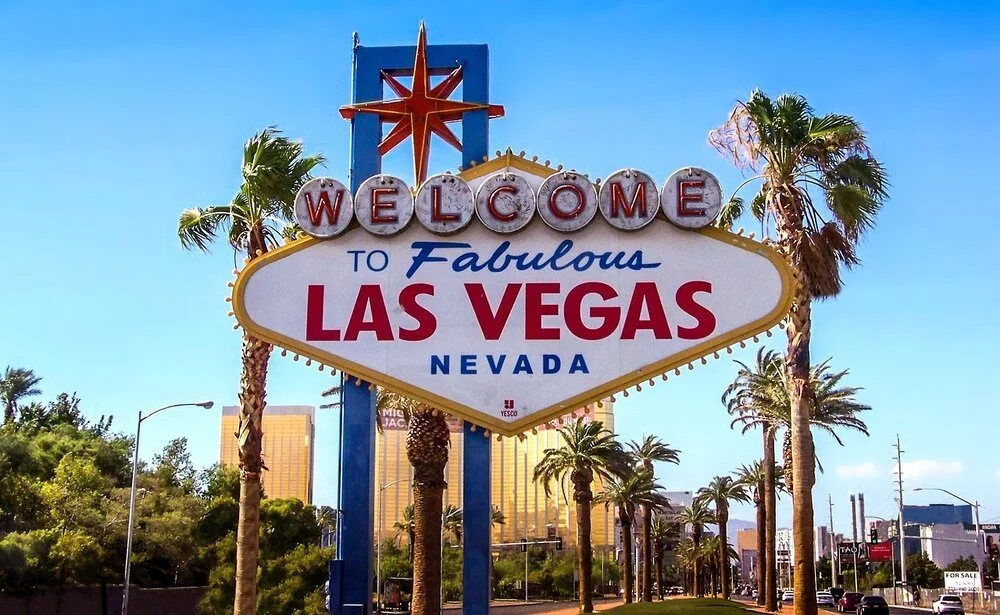
Arrive at the Las Vegas airport and transfer to your hotel.
If time permits, catch a show or explore the famous Vegas Strip!
The Las Vegas Strip is 3.9 miles long and has a monorail with 7 stops.
Casino hotels allow guests under 21 only when they are with a parent or guardian.
Safety concerns: Avoid walking any farther north than The STRAT Hotel, Casino & Tower (Stratosphere - it’s a big tower at the end of the strip). Going further north on foot can be risky. Naked City, near the Stratosphere, has many low-income residents, so theft and assaults are more likely.
👍 For Downtown/Fremont Street, a 10-minute Uber or Lyft is safer and quicker.Overnight: Las Vegas. [Where to stay]

ℹ️ Trail & Hiking guide
DAY 2
Depart for Zion National Park.
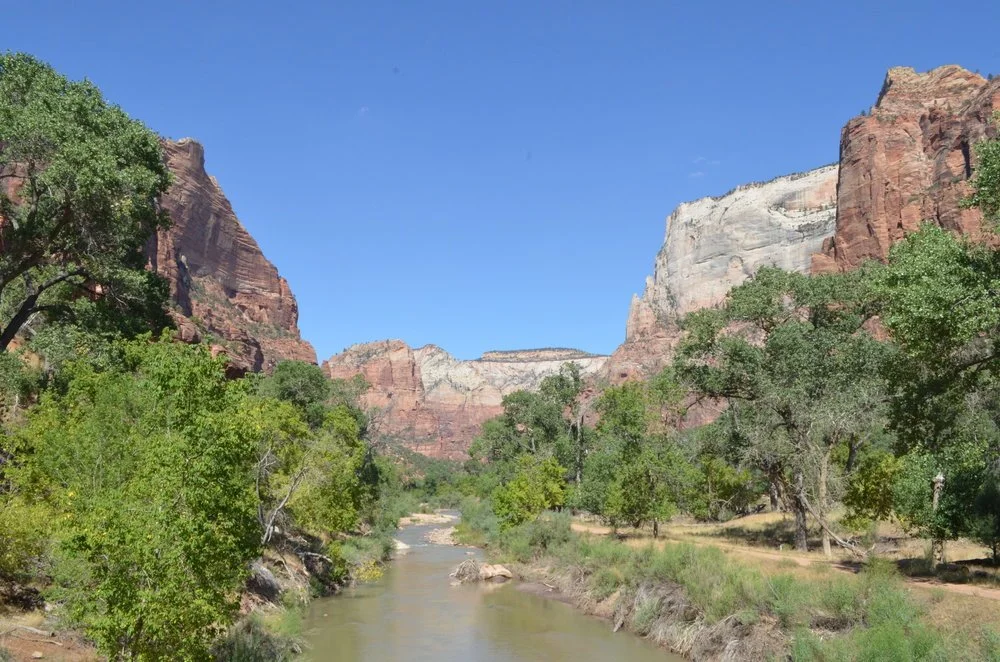
Great park with hiking trails and cliffs over 2,000 feet above the canyon.
The Zion Canyon Scenic Drive is the #1 activity in the park.
The Zion Drive is a 6-mile park road that passes places like the Narrows entrance. During peak season, private cars are not allowed. You must ride the Zion Shuttle.
📌 The shuttle begins at the Visitor Center and ends at the Temple of Sinawava stop, where the 1.8-mile Riverside Walk (along the Virgin River) starts.
At the end of the Riverside Walk, you reach the Narrows, where the canyon narrows, and you must wade the river to continue. About 30% of visitors hike the Narrows to Wall Street, where canyon walls rise 1,500 feet, and the river narrows to just 22 feet.
You do not need a permit to hike the Narrows, high water may prevent hiking in the Narrows, so always check the
park's current conditions before you start your day. The Narrows often closes in spring (April–May) because of high meltwater.💡 Best way to hike the Narrows: Zion Outfitters: Sells gear for safe, comfortable Narrows hikes. Many attempt it unprepared; the trail is mostly a rocky, slippery riverbed. ℹ️ Learn more.
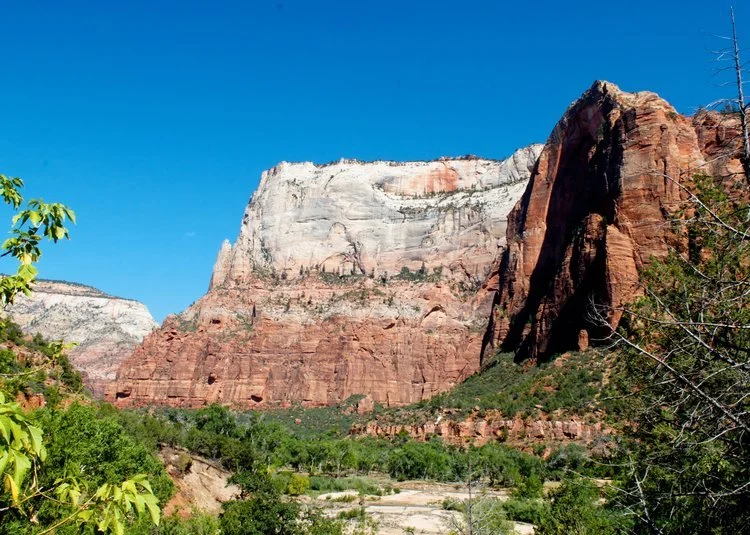
Along the Scenic Drive are several easy walks with great views—pause to enjoy them, especially the iconic sight of the Great White Throne!
Other Hiking trails include: Emerald Pools Trail (easy), Angels Landing Trail(difficult), and the pet-friendly Pa’rus Trail (easy).
Angels Landing-many call this trail the scariest hike in the USA. [video]
⚠️ Alert: A permit is required to hike the final "chains" section. You must apply for the seasonal or day-before lottery.Getting to: Angels Landing trail per the West Rim Trail.
-Shuttle Stop: get off at #6, The Grotto.
-Distance (roundtrip): 5.4 mi / 8.7 km
-Elevation Change: 1,488 ft / 453 m
-Estimated Hiking Time: 5 hours
-Description: Steep drop-offs. Not suitable for young kids. The trail ends with a narrow, steep ridge to the top.
Pa’rus Trail - this is the only trail in Zion Park where pets and bikes are allowed. You can get to it from the Visitor Center or Museum (Shuttle Stop #2). The Pa'rus Trail is perfect for sunsets, stargazing, and night photography. [Distance: 3.2 miles RT]
FAQ’s about Zion hiking trails.
Overnight: Zion Park. [Where to stay]
Zion National Park has limited accommodations.
Springdale - is the best place to stay for Zion visits because lodging inside the park is limited.
Springdale - only one mile from Zion's main entrance, so it's easy to reach. That saves time and effort, especially for early visits to catch the best light or avoid crowds. [Where to stay in Springdale]
Shuttle Service: The town offers a free shuttle that links to Zion's shuttle system, letting you travel between Springdale and the park without driving or parking. This is useful when Zion’s parking lots are full.
Distance: Las Vegas ---> Zion Park, 3 hrs.

Option…add a Extra Day at Zion National Park.
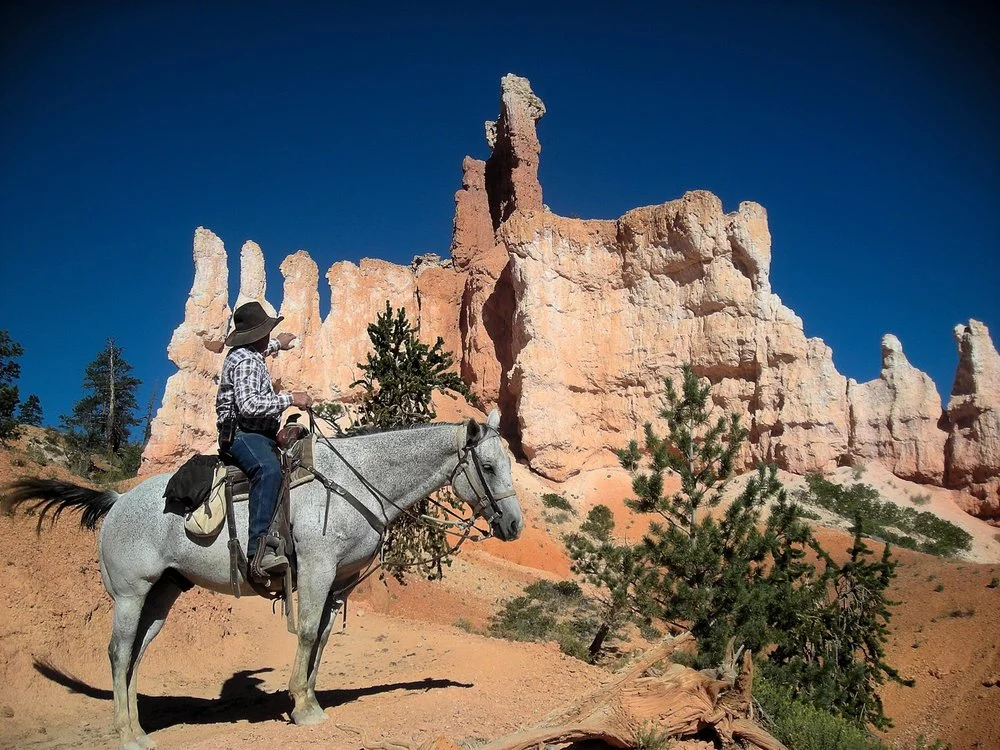
Enjoy more trails and a horseback ride (season dates: March - October)

DAY 3
Enjoy a final hike in Zion.
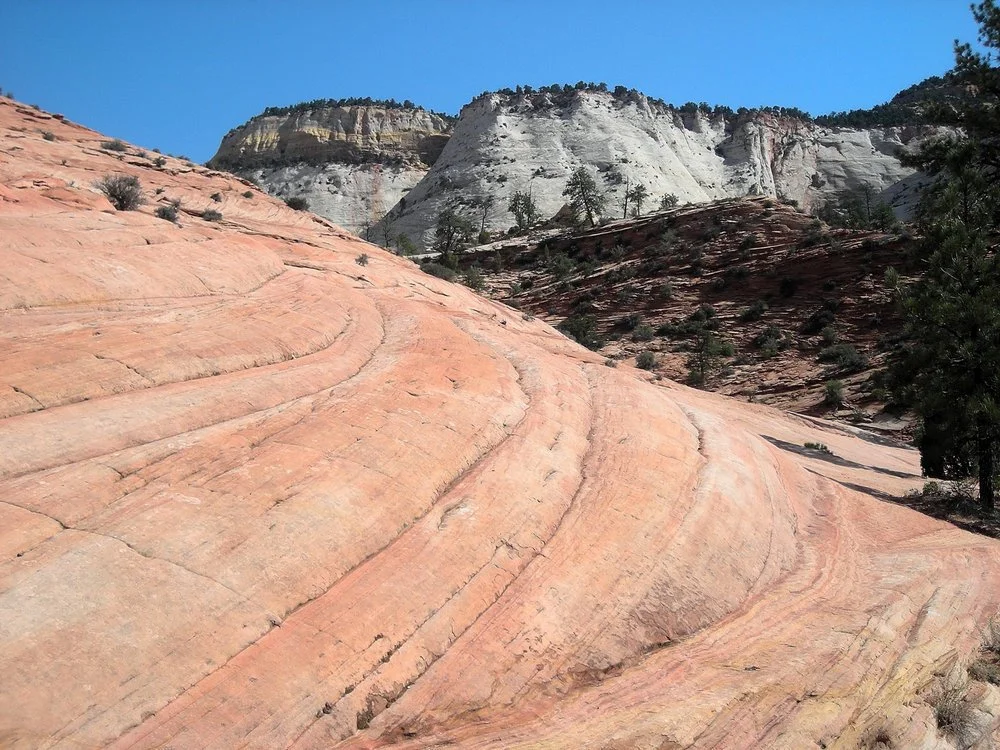
When leaving the park, stop for some great photos of Checkerboard Mesa.
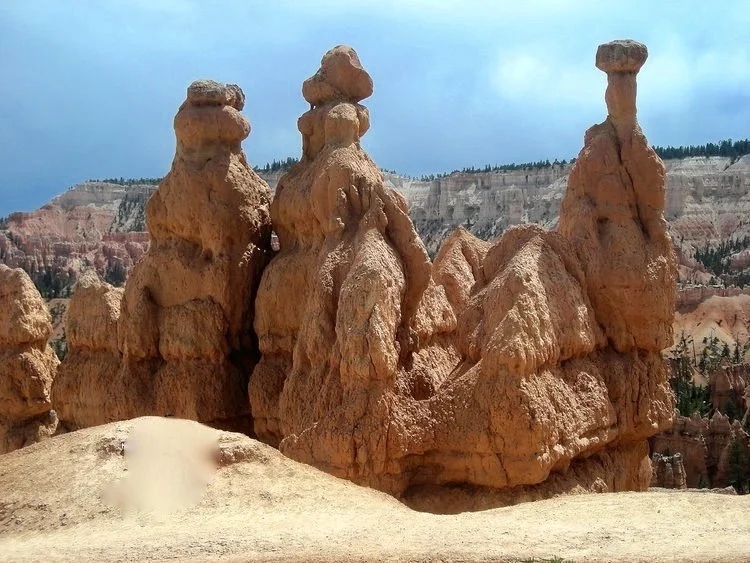
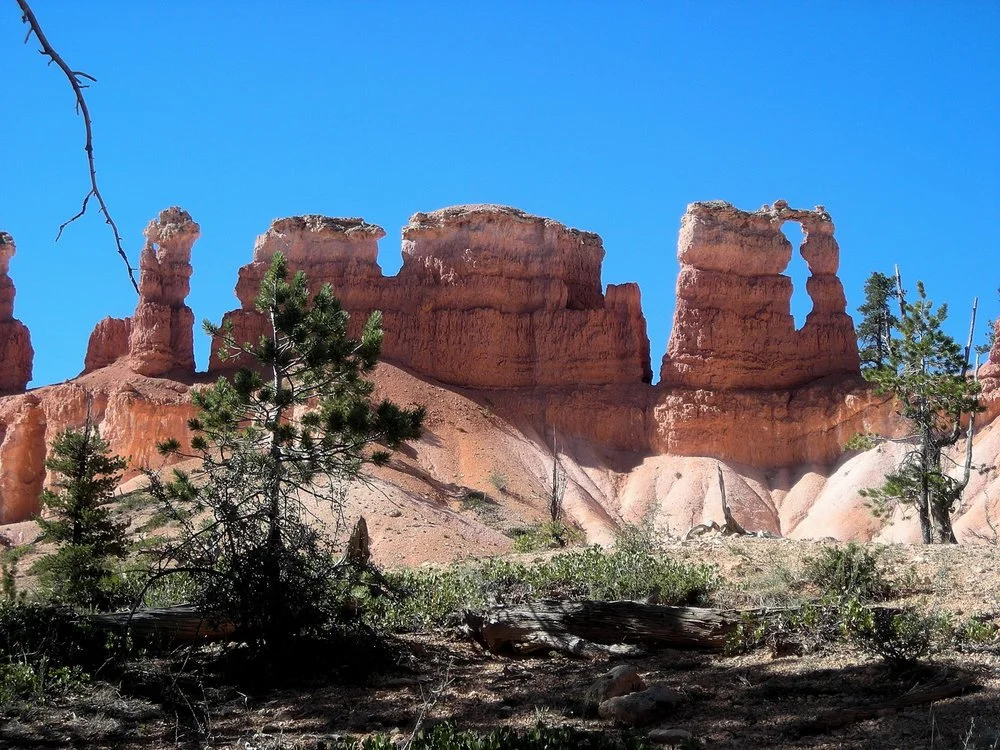
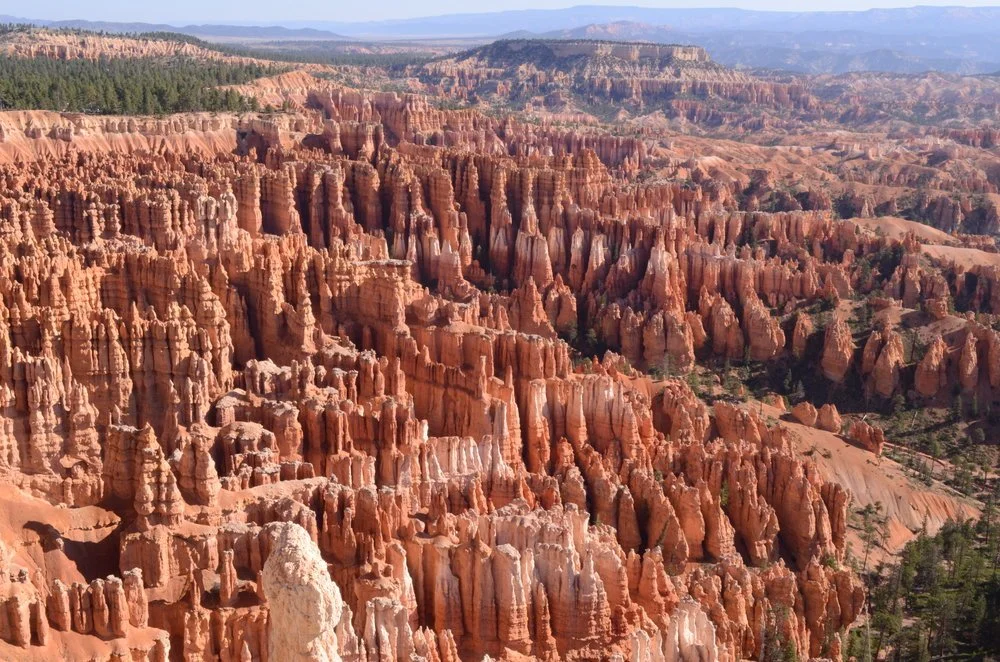
Continue to Bryce Canyon National Park, famous for its crimson colored hoodoos. ⭐These hoodoos at Bryce are the largest collection in the world.
Arrive at Bryce Canyon by afternoon to see multiple viewpoints.
Bryce Canyon sits around 8,000–9,000 feet (2,400–2,800 m), so the weather can change a lot during the day.
Overnight: Bryce Canyon Park. (2 nights) [where to stay]
Just outside the park: (e.g., Best Western Ruby’s Inn)
Distance: Zion Park ---> Bryce Canyon, 2 hrs.

ℹ️ Learn about horseback riding
DAY 4
Bryce Canyon activities - include memorable hikes and horseback riding.
Some visitors add an extra day.
No pets or bicycles on park trails
Bryce Canyon Visitor Guide- tips for planning your trip.
These tall rocks (hoodoos) consist of red, orange, and white colors formed by nature.
Best scenery spots: Bryce Amphitheater, Inspiration Point.
Hiking trails not to miss:
Navajo Loop (1.3 mi. RT), Queen Garden(3 mi RT) and Fairyland Loop (8 mi. RT)
These trails have hikes through bright red and orange rocks. You can walk along the rim or below it to see rock formations, ancient bristlecone pines, and wide canyon views.
Park rangers often recommend starting with the main attractions. Try to do at least one of the scenic hikes:
Sunrise Point to catch the morning glow on the hoodoos.
Inspiration Point - provides sweeping views of the Bryce Amphitheater.
Bryce Point - drive to Bryce Point for one of the park’s most iconic views.
Bryce Canyon's night sky is unique; it offers exceptional stargazing.
On a clear, moonless night, you can see about 7,500 stars. In a small town, you usually see about 2,000. The park runs about
100 astronomy programs a year, led by rangers and volunteers. ℹ️ Learn more
Overnight: Bryce Canyon Park.

ℹ️ Read more on Antelope Canyon
DAY 5
Leave Bryce Canyon for Monument Valley.
En route, stop at Antelope Canyon, an awe-inspiring slot canyon.
Tour offices are located in Page, Arizona.
Pick the "Upper Antelope" tour; it’s the one with the canyon’s famous light beams.
The light beams are seasonal (late March through early October) and peak between 11:00 AM and 1:30 PM.
Tours are open to all. Flat canyon—no climbing. Tours last 60–90 minutes.
Please book in advance.⭐ Lower Antelope Canyon or Antelope Canyon X are fantastic alternatives if Upper sells out, though they require climbing steep metal ladders.
Overnight: Monument Valley; we recommend The View Hotel. (2 nights)
Distance:
Bryce Canyon ---> Antelope Canyon, 3 hrs.
Antelope Canyon -- 3 hrs. --> Monument Valley. (total drive: 6 hrs. / 281 mi.)

LOOP DRIVE ROUTE
DAY 6
Witness an incredible sunrise at Monument Valley. It’s worth an early wake-up!
If you missed the sunrise, don’t miss the sunset — it’s stunning too.
The Valley is on Navajo land, known for colorful rock formations. Films like Forrest Gump and
Back to the Future III was shot there.Best trail: the self-guided Wildcat Hike.
The route passes stunning views of Mitten Butte and Merrick Butte. (No shade-carry water)
Start at the Wildcat Trail trailhead sign near the Visitor Center parking area.
Distance: 4 miles round-trip. Hiking time: 2.5 hrs. Trail type: Sand, dirt, and rock trail.
If you do not like hiking, you can drive yourself around the beautiful landscape. [driving map]
The road is unpaved and dusty, but drivable.
Star Gazing: This dark sky is world-class—step onto your balcony at 2:00 AM to see the Milky Way.
Overnight: The View Hotel.

FAQ’S
DAY 7
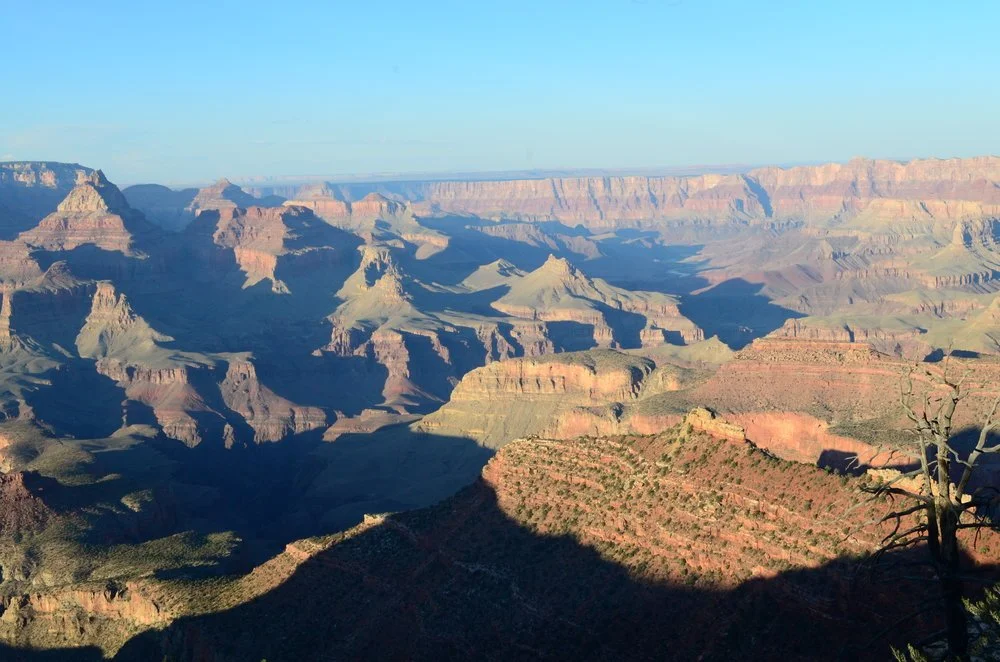
Next stop is the Grand Canyon South Rim.
The canyon is a top example of dry-land erosion, carved by the Colorado River.
Stop at various photo spots on the Grand Canyon Road Drive.
Watch the canyon change color at sunset. The Grand Canyon glows from orange to pink to purple as the sun sets.
The Grand Canyon shuttle service—what you need to know.
Grand Canyon Tours for Seniors. ℹ️ Learn more
⚠️ Reservations are required at the historic El Tovar Dining Room. Reservations can be made up to 30-days in advance.
Overnight: Grand Canyon South Rim Lodge. Reservations are recommended. Book 6-8 months in advance.Distance:
Monument Valley ---> Grand Canyon South Rim. 3.5 hrs.
DAY 8
Start with a sunrise hike on the famous self-guided South Kaibab Trail.
Park hikes can be hard. Come ready.
It’s a 6-hour/5.4-mile RT to Skeleton Point. Difficulty: moderate
⚠️ Do not go past Skeleton Point on a day hike.
June, July, and August are the worst months to hike into the canyon due to hot temperatures. ( 90°F / 32°C or more.)
⚠️ Stay hydrated. The National Park advises drinking 2 liters of water every 90 minutes while hiking.
Be educated about ⚠️ heat-related symptoms.
Bananas, granola bars, trail mix, and peanuts are handy snacks.
South Kaibab Trail begins near Yaki Point on Yaki Point Rd. ℹ️ Learn more
The Kaibab Trail is closed to private vehicles; access is via the free Kaibab Rim Route (Orange) shuttle. Departs from the Visitor Center.
Would you rather Bike than hike?
Contact Bright Angel Bike rentals to pedal the awesome rim trails.
The Bike rental shop is located next to the Visitor Center. [FAQ’s]
If hiking or biking, return by mid-afternoon to drive to Sedona.
Overnight: Sedona (3 nights)
Distance: Grand Canyon ---> Sedona, 2.5 hrs.

Add a Extra Day.
Take a mule ride DOWN the canyon.
Mule rides ARE arranged through Grand Canyon Lodges (303-297-2757) [click here]
DAYS 9 and 10
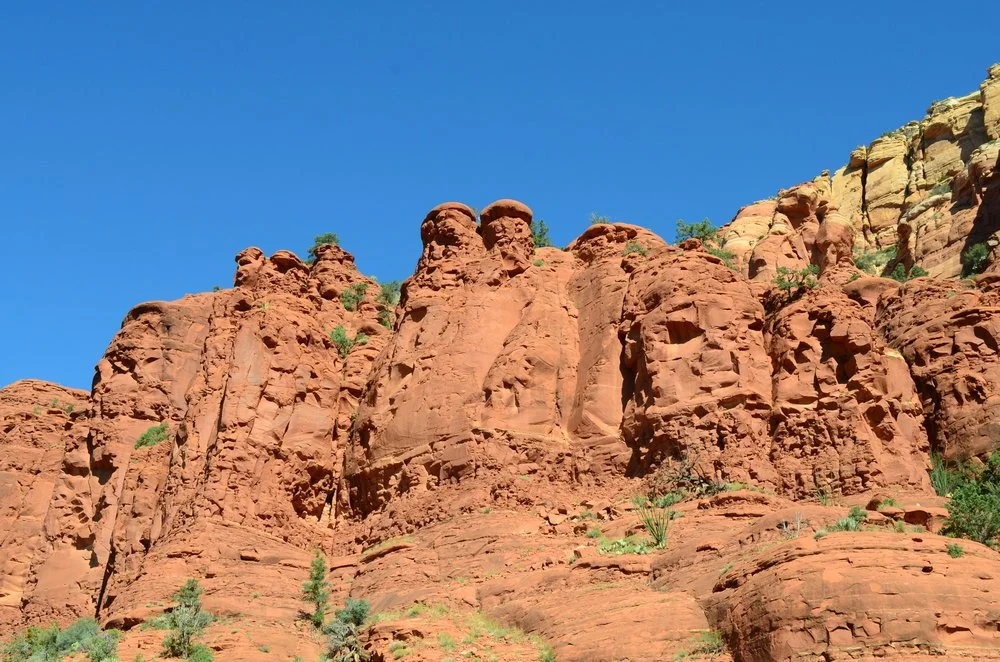
Enjoy two days in upbeat Sedona to capture the red rock beauty.
Sedona [Map] An Arizona desert town near Flagstaff, surrounded by red rock buttes, steep canyon walls, and pine forests.
It’s noted for its mild climate and vibrant arts community.
Uptown Sedona is filled with New Age shops, eateries, spas, and art galleries.
One of the town’s highlights is the Pink Jeep Tour- an “off-road” adventure through the colorful canyons.
Chapel of the Holy Cross - this stunning church protrudes from the red cliffs.
We recommend visiting Red Rock State Park. The park offers amazing views and trails of Sedona's famous red formations.
Two (2) great hikes:
Cathedral Rock, ➡️ Learn more 1.5 miles RT, difficult.
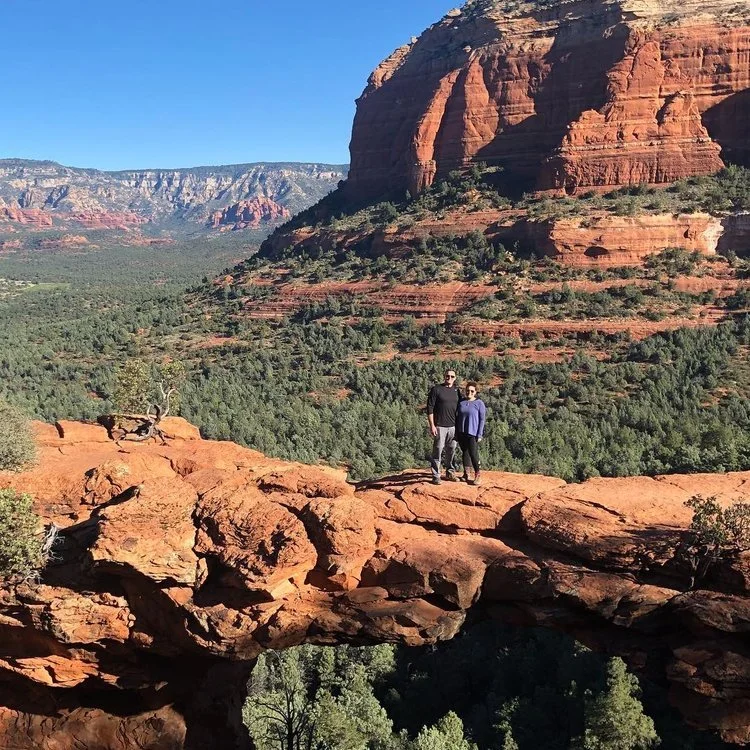
Devil’s Bridge, ➡️ Learn more 4.2 miles RT, moderate.
Visit Slide Rock State Park. A natural rock water slide in Oak Creek Canyon, just 15 minutes from Sedona..
Today, it is known as one of "America's Top 10 Swimming Holes".
ATV is a great way to capture amazing views. We suggest Red Rock ATV rentals.
Please note: Sedona is getting crowded, so traffic and parking, especially by trails, can be difficult. Plan ahead, allow extra time.
The city is running a shuttle to ease traffic and parking problems. The Sedona Shuttle offers convenient transportation options to various attractions, shopping districts, hotels, and trail sites.
Overnight: Sedona
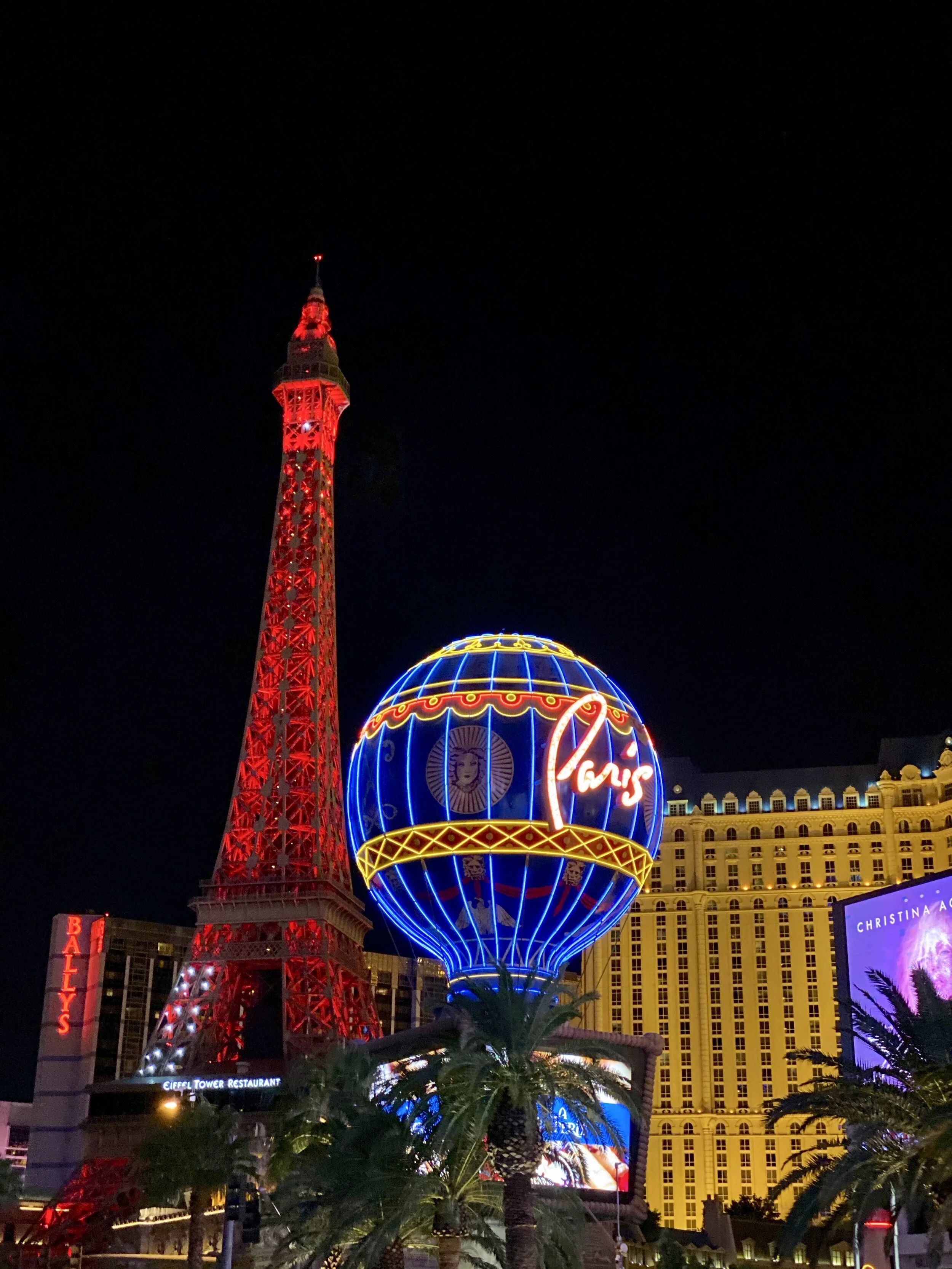
➡️ CHECK OUT A SHOW
DAY 11
Depart Sedona for Las Vegas. Arrive mid-afternoon and relax while exploring Las Vegas.
Notable resorts to visit include The Venetian, Mandalay Bay, Luxor, Bellagio, and Aria Resorts.
Overnight: Las Vegas
Distance:
Sedona ---> Las Vegas, 4.5 hrs. / 280 miles.
DAY 12
Elect Extra Day(s) in" Las Vegas" or depart for your flight home.
-
Here’s a two(2)-day itinerary for Las Vegas that focuses on entertainment, dining, sightseeing, & culture-without casino gambling:
Day 1: Explore the Strip & Iconic Attractions
Morning:
1. Breakfast at Mon Ami Gabi
Enjoy a French breakfast at this popular café at Paris Las Vegas.
Try the croissants, eggs benedict, or quiche with a view of the Strip.
2. Visit the Bellagio Conservatory & Botanical Gardens
Start your day with a visit to this stunning indoor garden. The displays change seasonally and are always designed.
3. Bellagio Fountains
Right outside the Bellagio, watch the famous fountain show. The water dance is set to music and takes place every 15-30 minutes.
Midday:
4. Explore the Art at the Bellagio Gallery of Fine Art
If you enjoy art, stop by the gallery to see rotating exhibitions from world-renowned artists.
5. Lunch at The Wicked Spoon (The Cosmopolitan)
A highly praised buffet with a variety of gourmet options.
Great for sampling different types of cuisine in a stylish setting.
6. High Roller Observation Wheel
Head to The LINQ for a ride on the world’s largest observation wheel. Offers panoramic views of the Strip and beyond. A great photo op!
Afternoon:
Explore the Neon Museum (Neon Boneyard)
Discover vintage neon signs from old casinos and businesses. Perfect for photography and learning about the history of Las Vegas.
Visit Fremont Street Experience.
Explore the iconic Las Vegas historic district. Enjoy the LED canopy light show, live music, and unique shopping.
Evening:
Dinner at LAVO Italian Restaurant (The Palazzo)
A chic Italian restaurant with a great atmosphere and upscale food.
Perfect for a luxurious dining experience.
See a Show:
Choose from a wide variety of shows: Cirque du Soleil, concerts, or comedy acts.
Check for tickets in advance for popular shows like “O” or “The Beatles LOVE.”
Day 2: Nature, Culture & Relaxation
Morning:
1. Breakfast at The Bouchon Bakery (The Venetian)
• Enjoy freshly baked pastries, sandwiches, and coffee in a quaint café setting.
2. Visit the Shark Reef Aquarium (Mandalay Bay)
• Discover an impressive underwater world with sharks, sea turtles, and rays. One of the top attractions for nature lovers and families.
3. Explore the Gardens and Pools at Mandalay Bay
• Take a stroll around the lush pool area or relax in the garden spaces, away from the bustle of the Strip.
Midday:
4. Lunch at The Buffet at Wynn
• A high-end buffet with an extensive selection of international cuisine. Known for its elegance and gourmet options.
5. Relax at the Spa at The Venetian
• Treat yourself to a luxurious spa experience with a massage, facial, or body treatment.
• A serene retreat for some quiet relaxation.
Afternoon:
6. Take a Gondola Ride at The Venetian
• Explore the canals of The Venetian on a peaceful gondola ride. Enjoy the charming atmosphere as your gondolier sings and guides you through the “streets” of Venice.
7. Explore the Springs Preserve
• Head to this nature reserve to experience exhibits on sustainability, desert wildlife, and the area’s history.
• The botanical gardens and walking trails provide a relaxing escape from the city’s fast pace.
Evening:
8. Dinner at
9A. Visit The Neon Museum at Night
• The museum offers a unique nighttime experience where the neon signs are lit up in all their glory. It’s a magical photo opportunity for the end of your trip.
9B. A must-see “ The Sphere”.
Sphere is a next-generation entertainment medium that is redefining the future of live entertainment.
10. Nightcap at Skyfall Lounge (Delano)
• Enjoy a drink at this chic rooftop bar with stunning views of the Strip. A relaxing way to wrap up your time in Vegas with a view of the city lights.
11. Check out all the Sports Events including the NFL Las Vegas Raiders.
<Learn more on Sporting Events>This itinerary mixes sightseeing, nature, culture, and relaxation without the need to visit any casinos. Let me know if you’d like to adjust the activities or need more details!
-
Here’s a alternative 2-day Las Vegas itinerary that emphasizes must-see attractions and activities, ensuring efficient time management and a memorable experience:
Day 1: Iconic Las Vegas Experiences
Morning:
1. Breakfast at Bardot Brasserie.
Start your day with a delightful French breakfast located at Aria Resort & Casino. Known for its upscale French-inspired cuisine, the restaurant offers a sophisticated and flavorful breakfast menu.
2. Bellagio Conservatory & Botanical Gardens
After breakfast, visit the Bellagio Conservatory to admire the stunning seasonal floral displays crafted by top horticulturists.
3. Bellagio Fountains
Step outside to witness the mesmerizing Bellagio Fountain show, where water dances to music in a captivating display. Shows typically occur every 30 minutes in the afternoons and every 15 minutes in the evenings.
4. High Roller Observation Wheel
Proceed to The LINQ and take a ride on the High Roller, offering panoramic views of Las Vegas. Each rotation lasts about 30 minutes, providing ample time to soak in the sights.
5. Lunch at Eataly Las Vegas
Head to Eataly at Park MGM for a diverse Italian dining experience. Explore various eateries and savor authentic Italian dishes in a vibrant marketplace setting.
Afternoon:
6. Area15
Explore Area15, an immersive entertainment complex featuring interactive art installations, unique retail experiences, and attractions like Meow Wolf’s Omega Mart. Check their website for specific attractions and book in advance if necessary.
Evening:
7. Lost Spirits Distillery
Visit Lost Spirits Distillery for an immersive tour that blends art, technology, and exceptional spirits. Reservations are recommended to ensure availability.
Night:
8. Attend a Music Residency Show
Conclude your day by attending a renowned music residency. Artists like The Eagles are performing at venues such as the Sphere in January 2025. Ensure to book tickets in advance.
Day 2: Cultural and Natural Attractions
Morning:
1. Breakfast at Bouchon Bakery
Begin your day with pastries and coffee at Bouchon Bakery, located in The Venetian, offering a quaint café setting.
2. Shark Reef Aquarium at Mandalay Bay
Explore the underwater world, home to sharks, sea turtles, and more.
Midday:
3. Lunch at The Buffet at Wynn
Enjoy a gourmet lunch at Wynn, known diverse international cuisine.
4. Gondola Ride at The Venetian
Experience a serene gondola ride through the canals of The Venetian, complete with singing gondoliers, emulating the charm of Venice.
Afternoon:
5. Springs Preserve
Visit the Springs Preserve, a 180-acre cultural institution featuring botanical gardens, walking trails, and exhibits on desert wildlife, offering a tranquil escape from the city’s hustle.
Evening:
6. Dinner at Carbone.
Located attheARIA Resort & Casino.
A retro-glam take on Italian-American classics like veal parmesan, spicy rigatoni vodka, and Caesar salad prepared tableside.
Why It’s Great: Combines luxurious ambiance with rich, flavorful dishes and impeccable service.
7. Neon Museum (Neon Boneyard)
Visit the Neon Museum at night to see illuminated vintage neon signs from old casinos and businesses, providing a nostalgic glimpse into Las Vegas’s vibrant history.
Night:
8. Nightcap at The Duece Lounge or Drai’s Nighclub both at the The Cromwell Hotel.
Both offering stunning views of the Strip, providing a serene conclusion to your Las Vegas adventure.
-
Visiting Las Vegas can be an exhilarating experience, but common pitfalls can hinder your enjoyment. Here are key mistakes to avoid:
1. Not Having a Plan
While spontaneity has its charm, failing to make reservations, especially for popular restaurants and shows during peak times like weekends or holidays, can lead to disappointments. Plan ahead to secure your desired experiences.
2. Overlooking Transportation Options
Limousine Services: For groups planning extensive sightseeing, hiring a limo at approximately $80 per hour can be cost-effective and convenient compared to multiple rideshares.
Car Rentals: Avoid renting cars directly at the airport due to long lines and high fees. Instead, rent from locations near your hotel to save time and money.
3. Gambling Without Understanding the Games
Engaging in unfamiliar casino games can quickly deplete your funds. Stick to games you know, and consider starting with slot machines, which are user-friendly for beginners.
4. Neglecting to Tip
Tipping is integral in Las Vegas. Generously tipping service workers like valets, bartenders, and servers can enhance your experience, as they often have valuable insights and can assist with reservations or recommendations.
5. Visiting During Extreme Weather
Las Vegas summers can be scorching, with temperatures exceeding 100°F, making outdoor activities challenging. For milder weather and more comfortable exploration, plan your visit during spring or fall when temperatures are more moderate.
6. Ignoring Off-Strip Attractions
Focusing solely on the Strip means missing out on unique experiences. Explore attractions like Red Rock Canyon for hiking or visit local museums to diversify your trip.
7. Mismanaging Your Budget
It's easy to overspend in Las Vegas. Set a clear budget for gambling, dining, and entertainment to avoid financial regrets.
8. Forgetting to Stay Hydrated
The desert climate can lead to dehydration, especially when consuming alcohol. Carry water and drink regularly to stay hydrated.
9. Not Using Player’s Cards
Many casinos offer player’s cards that provide rewards and discounts. Utilize them to enhance your benefits during your stay.
10. Overpacking Your Schedule
Cramming too many activities can lead to exhaustion. Prioritize must-see attractions and allow downtime to relax and enjoy the city's ambiance.
By avoiding these common mistakes, you can maximize your enjoyment and make the most of your Las Vegas adventure.
Sources: Travel and Leisure Magazine.
-
The best time to visit Las Vegas depends on your preferences for weather, activities, and crowd levels. Here's a breakdown by season:
Spring (March to May)
Weather: Warm & pleasant, with daytime temps from the 60s - 80s°F.
Highlights: Ideal for walking the Strip, poolside lounging, and outdoor activities like Red Rock Canyon hikes.
Crowds: Moderate, with an uptick during spring break.
Fall (September to November)
Weather: Comfortable temperatures, from the high 70s to low 90s°F.
Highlights: Similar to spring, perfect for outdoor adventures Crowds: Moderate, with some busier weekends due to events.
Winter (December to February)
Weather: Highs in the mid-50s to low 60s°F and chilly evenings.
Highlights: Holiday decorations, New Year’s Eve festivities, and lower hotel rates.
Crowds: Busy around holidays but quieter than peak summer.
Summer (June to August)
Weather: Hot, with daytime temperatures often exceeding 100°F.
Highlights: Vibrant pool parties, indoor shows, & nightlife dominate.
Crowds: High, especially on weekends, but hotel rates may be more affordable during midweek.
Best Overall Times
March to May and September to November offer the best balance of pleasant weather and manageable crowds. description

With trains arriving every 4-8 minutes at our seven stations, you can ride knowing you are using the fastest, cleanest, and most efficient transportation available.


"Located two (2) hours from Las Vegas, Death Valley offers a quick escape.


Average cost:
(EXCLUDING AIRFARE)
$$$ USD for two (2) people
Budget: $4000
Moderate: $5000
Luxury: $6300+

Search for your hotel

🌤️ Climate Guide
Best time to visit Las Vegas: March, April, and October for pleasant, mild weather.
The hot season/summer is June through September.
Las Vegas temperatures of 100 degrees in summer are common.
Sedona temperatures hover in the 90's in summer.
The coolest months are January and February.
August is the wettest month.
June is the driest month.
Bryce Canyon - due to its high elevation (7664 ft.), the weather at Bryce can be highly variable all year round. [Read more about what to expect]
Grand Canyon - average temperatures at the Grand Canyon can differ by 15–20°F (about 11°C) between the rim and the inner canyon. The South Rim has milder weather. It does receive some snowfall in the winter, and temperatures reach the freezing point.


Southwest Gallery
🎥 <Video>



















Source: all trails. wikipedia.org, mello mike.No copyright infringement is intended on this website by travelwildnow.com