
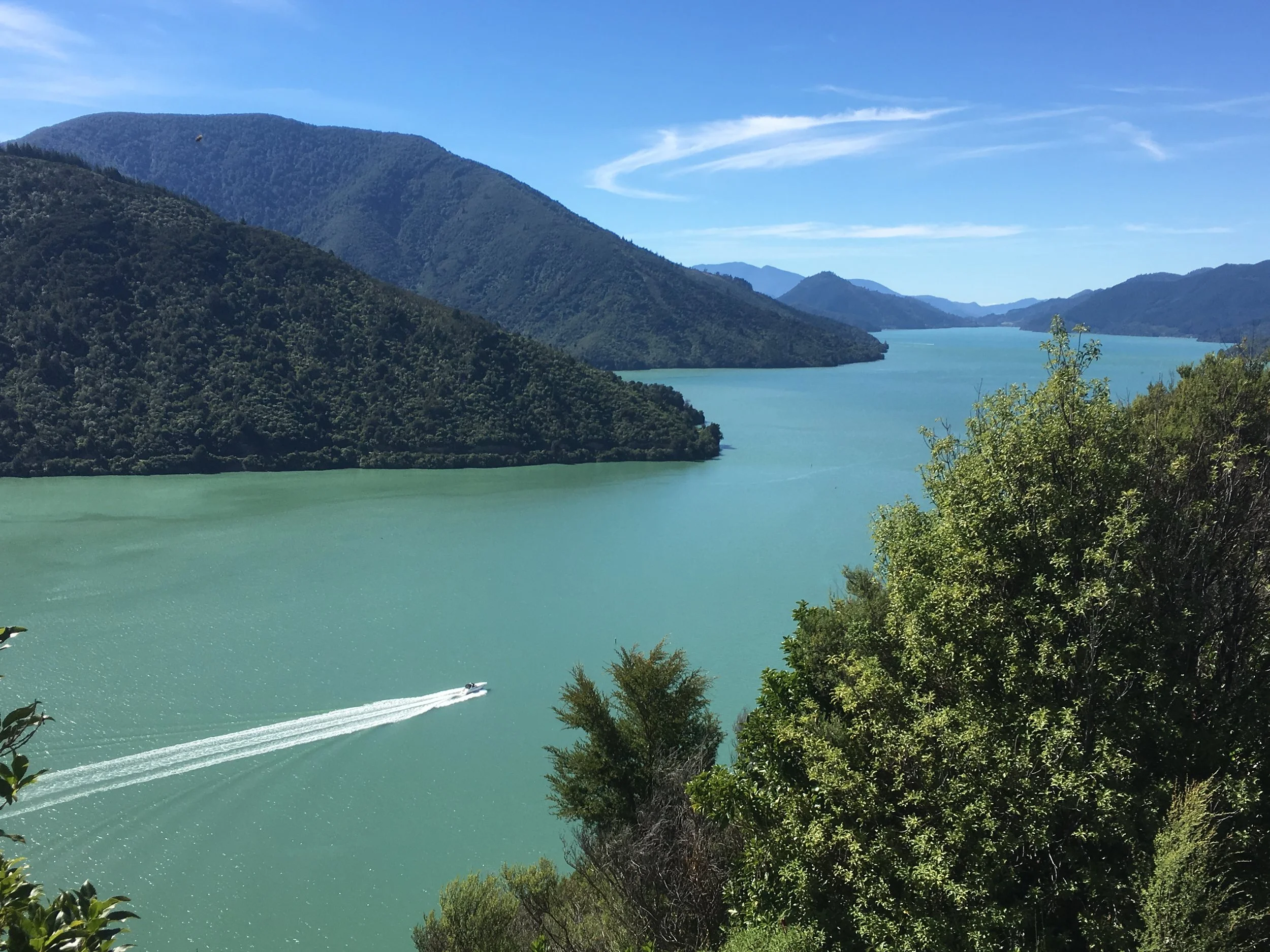
NEW ZEALAND - The North Island 6 or 10 Days
This itinerary visits the Bay of Islands, Cape Reinga, Tongariro National Park, and vibrant Wellington.
The North Island consists of stunning mountain ranges running through the middle, with gentle rolling farmland on both sides. The central North Island is dominated by the Volcanic Plateau, an active volcanic and thermal area.
The North Island enjoys a warm, temperate climate and includes the cosmopolitan city of Auckland. It is also home to about three-quarters of New Zealand's population.
🇳🇿 Essential Tips:
Travel Adaptor - Type I
Visa: You must obtain an NZeTA (New Zealand Electronic Travel Authority) online or via the app before boarding your flight.
Travel Guide: Lonely Planet’s New Zealand North Island
Download the AllTrails app on your smartphone. Essential for any trek in New Zealand.
New Zealand has strict biosecurity guidelines. Remember to declare all food items. [video]
Download the New Zealand Traveller Declaration app before arriving.
⚠️ Rental Car Summary for Your Itinerary (related to Day 6 below):
If you DRIVE the whole way (No Flight): You will have one (1) continuous rental. You pick it up in Kerikeri and drop it off in Wellington. This counts as a one-way rental.
If you FLY to Taupō or Rotorua: You will have two (2) separate rentals:
Rental #1 (Northland): Pick up at Kerikeri Airport and drop off at Kerikeri Airport (same-location rental).
Rental #2 (Central/South): Pick up at Taupō or Rotorua Airport and drop off at Wellington Airport (one-way rental).

✈️ Auckland Airport International arrival:
[Learn more] [Airport Map]
A free shuttle runs every 15 minutes between Auckland International and Domestic terminals, which are 1 km apart.
Alternatively, follow the sign-posted walkway for a 10-minute walk between terminals. [Learn more]
Biosecurity Reminder: New Zealand takes this incredibly seriously. Do not bring food. Even a stray apple or an open bag of trail mix from the plane can land you an instant $400 fine at Auckland Airport.

DAY 1
After touching down in Auckland, how you get to the Bay of Islands is entirely up to your travel style. If you want to get straight to paradise, hop on a short connection to Kerikeri and transfer directly to your hotel.
Alternatively, if you love a good road trip, grab your rental car keys and make the 4-hour drive up from Auckland. It’s a straightforward route that rewards you with great coastal views along the way.
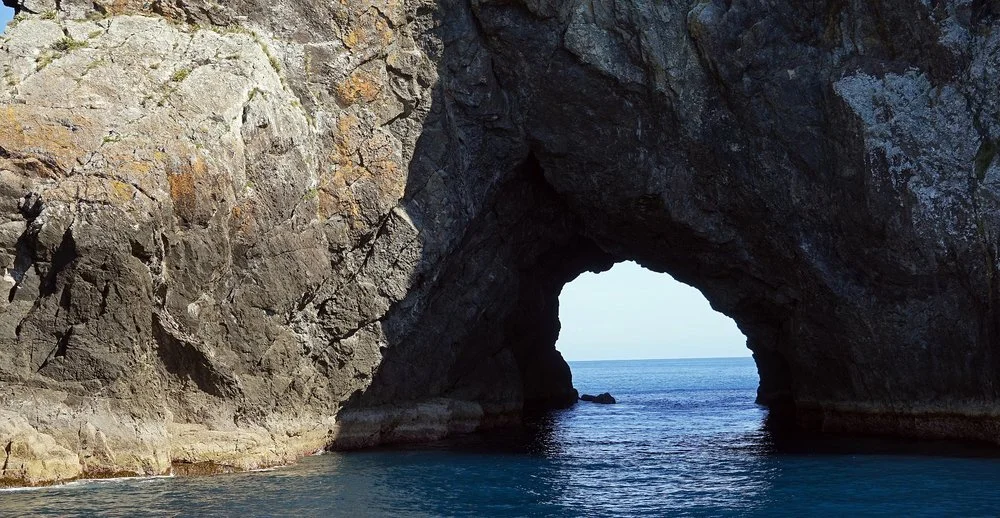
The Bay of Islands - a subtropical paradise with golden beaches and lush native bush. Its stunning scenery and more
than 144 islands create an easy-to-reach water playground for boating, big-game fishing, sailing, snorkelling, paddleboarding, kayaking, and more.The most popular towns to stay in are: [Paihia] [Russell] and [Kerikeri]
Overnight: Paihia / Kerikeri region (3 nights)
Summary of how the 3 towns compare to each other:
1. The Main Hub: Paihia is the tourist hub and "gateway" to the Bay of Islands, though not the largest town.
Activity hub: Paihia - stay here if you want to be where things happen.
Wharf: Most island cruises and fishing charters depart from Paihia Wharf.
Convenience: Most hotels, hostels, cafes, and tour operators are located here.
Walkability: Waitangi Treaty Grounds: ~25-minute walk; passenger ferries to Russell depart here.
2. The Commercial Center: Kerikeri
Paihia is the tourist hub; Kerikeri is the largest town.
The vibe: more of a lived-in town with big supermarkets, a domestic airport, and a lively arts and orchard scene.
Location: About a 20-minute drive inland from Paihia. Good for Rainbow Falls and the historic Stone Store—
not good for a beachfront holiday vibe.3. The Historic Gem: Russell. The town sits directly across the water from Paihia.
Vibe: Quieter, more romantic, and pricier. New Zealand’s first capital has a well-preserved 19th-century feel.
Access: a 15-minute ferry from Paihia. Many stay in Paihia for convenience but dine in Russell in the evenings.

🎯 Things to do
DAYS 2 and 3
Enjoy a cruise in the “Bay of Islands” or experience an adventure from a bird’s-eye view with air activities.
Relax and stroll around Paihia waterfront the rest of the day.
Overnight: Paihia / Kerikeri region.

Enlarge Walkway route
DAYS 4 and 5
Jump on a ferry to visit the small town of Russell.
A great way to see the area is to take the Bay of Islands Walkway starting in Paihia.
Route of Walkway: (full circle, 9 km)
1. You start this walk in Paihia toward Opua on a well-maintained track, following the beach before entering a bush-covered coastal walk.
2. From here, you catch the car ferry to Okiato and start on the Okiato to Russell walkway, which follows the coastline into Russell.
3. After exploring Russell, catch the ferry back to Paihia.
It’s a great walk with enjoyable views, plus two ferry rides! It’s a 4.5-hour walk.
Overnight: Mangonui (2 nights)
Distance: Paihia ---> Mangonui, 1 hr.

One of the most popular walks is the Tapotupotu Bay to Cape Reinga trek.
Starting at Tapotupotu Bay, this track gives great coastal views, then drops down to Sandy Bay and continues to the Cape Reinga lighthouse. Park at Tapotupotu Beach car park and start the hike to Cape Reinga lighthouse. Distance: 5 km ( 3 miles) each way; Duration: 3-4 hrs. RT
Directions: heading north, turn off State Hwy 1 (2 km before the
Cape Reinga Lighthouse car park) onto Tapotupotu Road and follow the signposts approximately 3 km on the gravel road to Tapotupotu Bay.
GPS coordinate: 34°26'27.9"S 172°42'04.1"E[Trail Map] of Cape Reinga Coastal Walkway.
Another pleasant walk is the Cape Reinga Lighthouse trail. An easy 2 km (1 mile) round trip path to the Lighthouse.
Directions: drive to the end of State Hwy 1 North. A car park is located at the trailhead.
Thrill seekers can try sandboarding.
Grab a bite at the legendary “Mangonui Fish Shop.“ Situated right over the water, this is iconic. Order the fresh catch of the day (ask for snapper or bluenose if available) with a side of classic chips.
Overnight: Mangonui
Distance:
Mangonui <---> Cape Reinga. 2.5 hrs. each way.
DAY 6
Two (2) ways to get to Tongariro National Park from the Kerikeri/Mangonui region. Flying is highly recommended, as the alternative is a grueling 7.5-hour driving day.
🚗 The Driving Option
The Route: Drive south from Mangonui/Bay of Islands, bypass Auckland, and head into the central North Island.
Time: 7.5 hours straight driving (plan for 9 hours total with lunch and gas stops).
✈️ The Flying Options
💡 Important Rental Car Note: If you fly, you must drop your first rental car back at Kerikeri Airport (KKE), board your flight, and pick up a brand-new rental car at your final arrival airport (Taupō or Rotorua).
Both flights below are with Air New Zealand and include a short, simple plane change at Auckland Airport.
Option 1: Kerikeri (KKE) to Taupō (TUO) — The Smartest Path
This gets you as close to the mountains as possible by air.
Total Travel Time: ~3.5 to 5 hours (includes a 50-minute flight to Auckland, a short layover, and a 55-minute flight to Taupō).
Schedule: Typically two main connection windows per day (a morning departure and a midday departure).
The Drive Afterward: 1 hour, 15 minutes south along Lake Taupō straight to your hotel.
Option 2: Kerikeri (KKE) to Rotorua (ROT) — The Backup/Sightseeing Path
Rotorua is a larger airport. Use this if Taupō flight times don't line up, or if you want to see bubbling mud pools and geothermal sights on the way down.
Total Travel Time: ~4 to 5.5 hours depending on layover lengths in Auckland.
Schedule: Slightly more frequent daily flights than the Taupō route.
The Drive Afterward: 2 hours straight south down State Highway 1 to the national park.
Upon arrival, pick up your rental car and transfer to Tongariro National Park hotel.
⚠️ Rental Car Summary for Your Itinerary:
If you DRIVE the whole way (No Flight): You will have one (1) continuous rental. You pick it up in Kerikeri and drop it off in Wellington. This counts as a one-way rental.
If you FLY to Taupō or Rotorua: You will have two (2) separate rentals:
Rental #1 (Northland): Pick up at Kerikeri Airport and drop off at Kerikeri Airport (same-location rental).
Rental #2 (Central/South): Pick up at Taupō or Rotorua Airport and drop off at Wellington Airport (one-way rental).
Overnight: Skotel Alpine Resort (located right in Whakapapa Village) or The Park Hotel Ruapehu (located nearby in National Park Village). [map] (3 nights)
These hotels make for a perfect base because of their proximity to the Tongariro Alpine Trail starting point. [Map]
Distance:
Mangonui/Bay of Islands —> Tongariro. 7.5 hrs.

Option: Skip Tongariro Park and “ Add on” N.Z. South Island.
Depart from Kerikeri to Queenstown on DAY 6


DAY 7
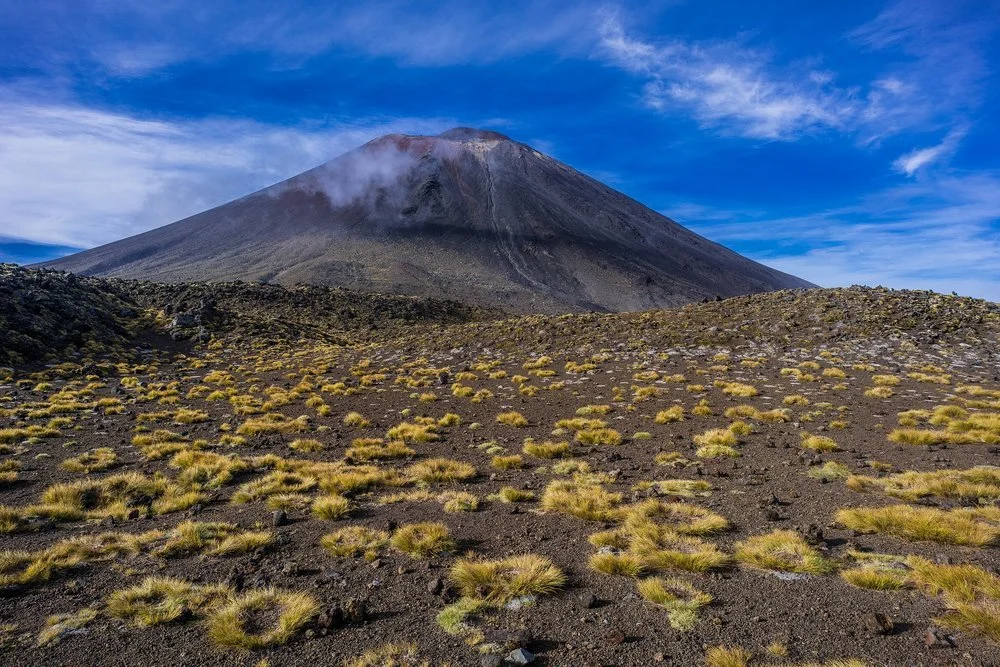
Enjoy a full day hiking the Alpine trail at Tongariro National Park.
Tongariro Park is a spectacular area with one of the world's best hiking trails, known as the Tongariro Alpine Crossing. The hike is 20 km and takes about 8 hours one way.
The highest point is 1886m (6,200 ft).⚠️ The trek is recommended for active, physically fit individuals of any age.
Start at Mangatepopo car park and end at Ketetahi Car Park.
The "Park and Ride" One-Way Shuttle (Highly Recommended):
Many travelers prefer this because it gives you total freedom with your time. You don't have to stress about missing a scheduled afternoon bus if your hike takes longer than expected.
Morning: You drive your own rental car to the secure Ketetahi "Park and Ride" car park (the end of the hike) first thing in the morning.
The Tongariro Crossing Shuttle: You hop on a one-way shuttle right there at your car. It drives you around the mountain and drops you off at the start (Mangatepōpō).
The Walk: You spend the day hiking the 20 km track.
The Finish: You walk right out of the trail directly back to your own car and can drive away immediately. No waiting around for a scheduled bus while your legs are tired!
⚠️ Note: The Department of Conservation (DOC) put a strict 4-hour parking limit at the start of the track (Mangatepōpō) to prevent overcrowding. This means you cannot park your car at the start and take a shuttle back to it later. Example Morning Timeline (Park & Ride)
To hit that sweet spot, your morning schedule will look something like this:
6:15 AM: Leave your hotel in Whakapapa or National Park Village (about a 20-to-25-minute drive to the Ketetahi car park).
6:45 AM: Arrive at the Ketetahi Park & Ride, park your vehicle, and board your pre-booked shuttle.
7:00 AM – 7:30 AM: The shuttle drops you off at the Mangatepōpō start point, and you begin hiking immediately.
💡 Summer Tip: If you are hiking in the peak summer months of December or January, aiming for the earliest possible shuttle (around 6:00 AM) is highly recommended to beat the midday summer heat on the exposed, shade-free volcanic climbs.
Snow is rare on the Tongariro Crossing in summer, but clouds and rain are common.
The best time for this inspiring hike is from November to April.
⚠️ Always bring warm clothes and a good waterproof jacket because the weather can change fast at high altitudes.
Guided walks, canoeing, and mountain biking are popular in the region.
Outfitters: Adrift Guided Outdoor Adventures or Adventure Outdoors.
Overnight: Skotel Alpine Resort or The Park Hotel. (Night 2 of 3)
DAY 8
Continue to explore the various activities at Tongariro National Park. ⛈️ If bad weather ruins plans, many visitors drive two hours to Rotorua. [Read about Rotorua activities]
💡 If Day 6’s weather was bad but it’s good now, you can try the Alpine Crossing today.
Overnight: Skotel Alpine Resort or The Park Hotel (Night 3 of 3)
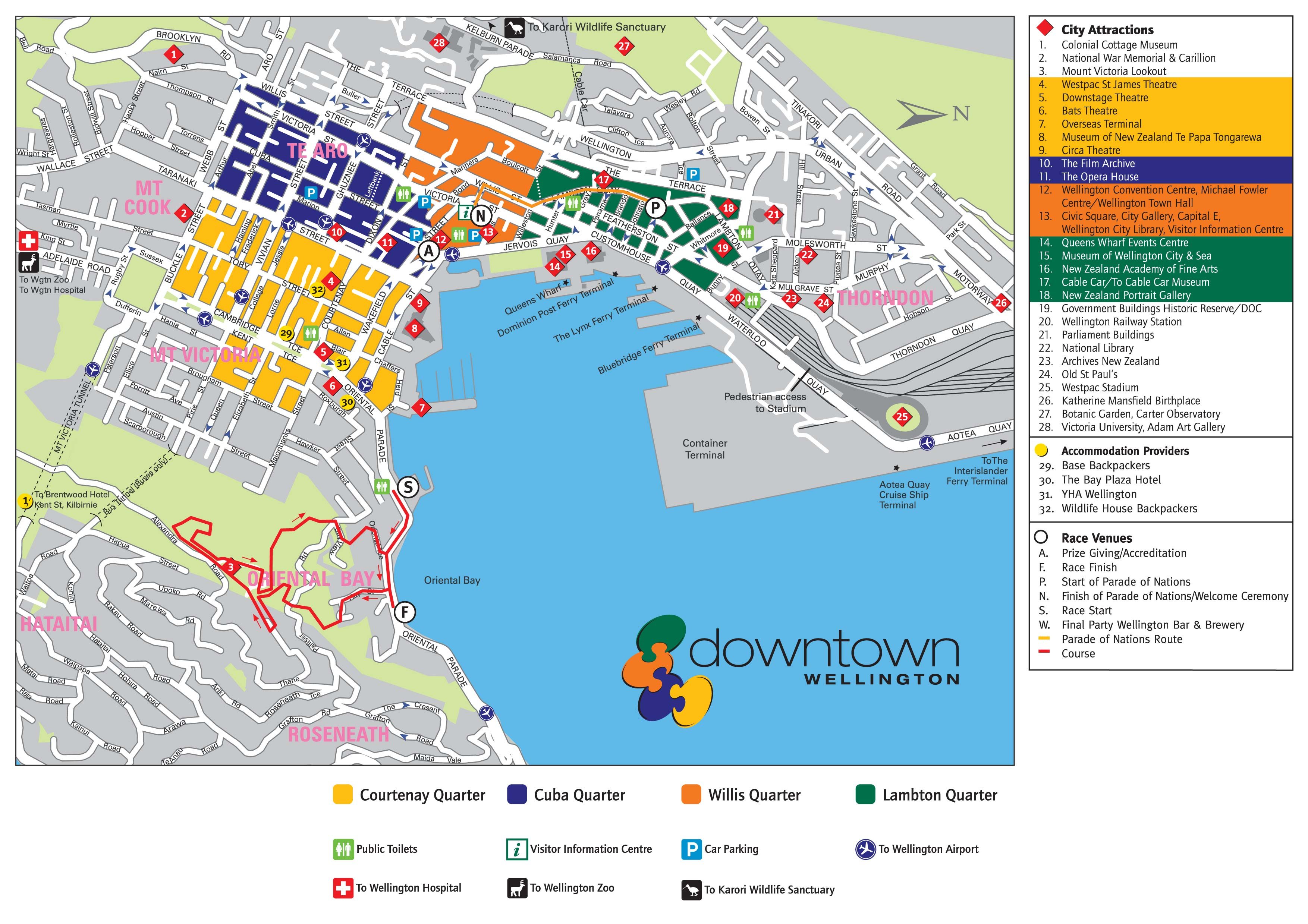
🌍 Map of Wellington
DAY 9
Next stop is Wellington, NZ.
Start early and enjoy the rest of the day relaxing in this vibrant capital city with its many great cafes & restaurants, boutiques, scenic harbor, and excellent craft beer scene.
When you hit the capital, head straight to Hannahs Laneway or Cuba Street for some of the best flat whites and experimental craft beers in the southern hemisphere.
Things to do ➡️
Overnight: Wellington
Distance:
Tongariro Park --> Wellington 5 hrs. / 340 km.
DAY 10
Depart for N.Z South Island,spend an extra day in Wellington, or return home.
Overnight: Outbound or stay in Wellington.


Average cost:
(EXCLUDING AIRFARE)
$$$ USD for two (2) people
Budget: $4,000
Moderate: $5,000
Luxury: $6,400 +

Search for your hotel

🌤️ Climate
During the months of December through March, you are most likely to experience good weather with pleasant average temperatures.
Most rainfall (rainy season) is seen in May through August.
The warmest months are January and February.
The coolest months are July and August.









Sources: wikipedia.orgNo copyright infringement is intended on this website by travelwildnow.com