
CAPE TOWN, SOUTH AFRICA 7 Days
This itinerary visits one of the most beautiful cities in the world. The journey takes you to the touristy Waterfront, trendy Camps Bay, Table Mountain Reserve, the townships, Robben Island, the notorious prison that once held Nelson Mandela, Cape of Good Hope Reserve, and the vineyards of Stellenbosch.
Cape Town is South Africa’s oldest urban area and one of the most multicultural cities in the world. Often called the 'Mother City,' it has earned Blue Flag status for its high water quality, fantastic facilities, and cleanliness
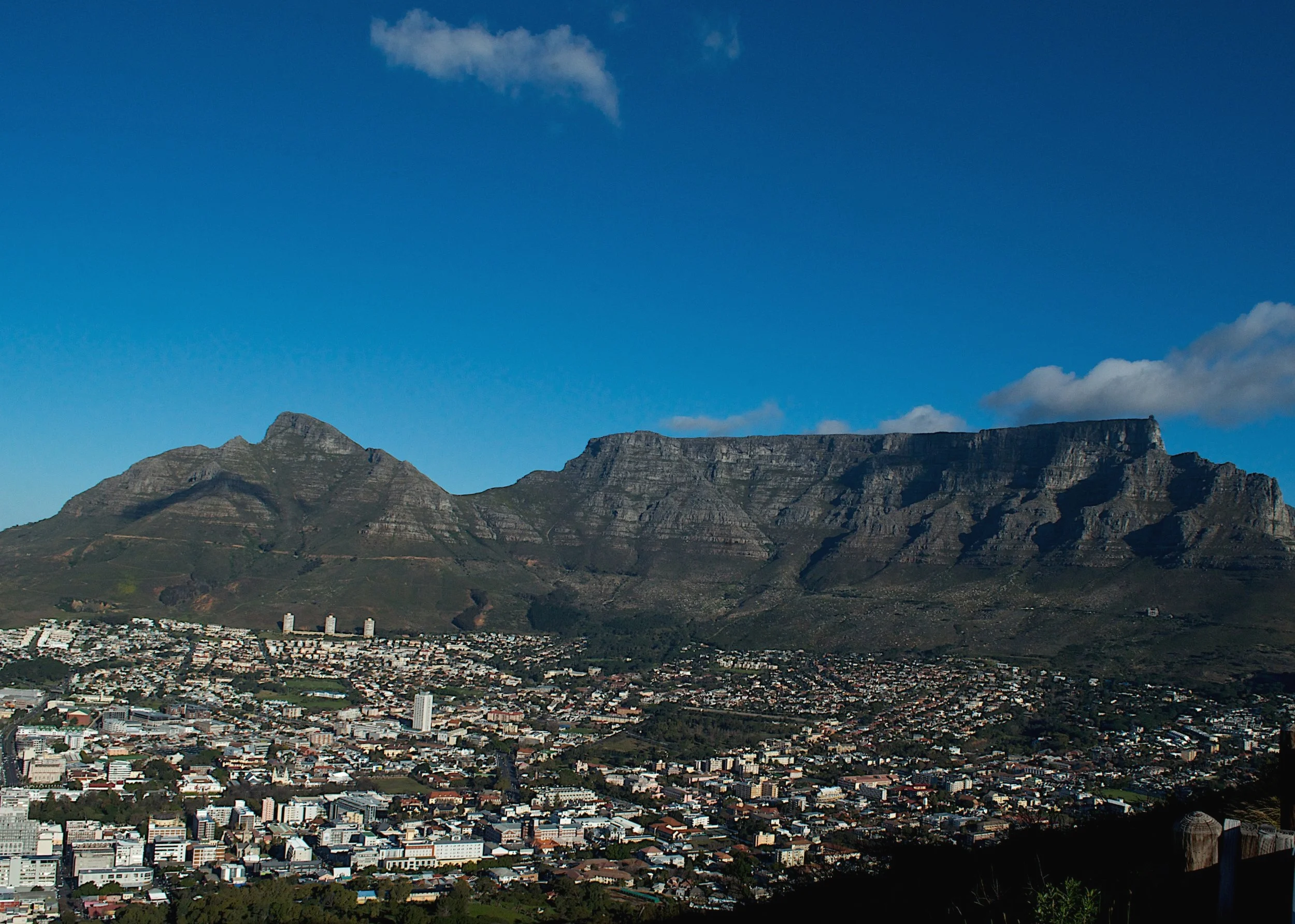
Cape Town (pop. 4.6 million) is situated on a peninsula beneath the imposing Table Mountain. At the top, you are rewarded with great views of the city, landmarks, and the busy harbor.
Why go?
Cape Town is the most cosmopolitan city in Africa, as it hosts a mixture of cultures that contribute to the city's eclectic music, food, and festival scenes. It is hard to beat the beautiful beaches, rolling vineyards, cuisine, thriving nightlife, and the spectacular Table Mountain.
<The Photo Gallery can be found at the bottom of the page>
ℹ️ Essential Tips:
🛂 Visa Rules for US Citizens
No Visa Required: US citizens visiting South Africa for tourism or business don't need a visa
for stays of up to 90 days.
Travel Guides: Lonely Planet Cape Town and DK Top 10 Cape Town.
Currency: South Africa’s currency is the rand (ZAR).
Card vs. Cash: Cape Town is very digital. Visa and Mastercard work almost everywhere—restaurants at the V&A Waterfront, Uber rides, museum tickets, and more.
When You Need Cash: Keep a small amount of cash on hand for:
Tipping the street parking attendants (car watchers) is mentioned in the tips section.
Buying local handmade souvenirs at roadside stalls or markets like Greenmarket Square.
Tipping petrol attendants is appreciated if you rent a car and drive to Cape Point (in South Africa, attendants pump your gas, clean your windshield, and check your tires).



DAY 1
Arrive at Cape Town airport and transfer to your hotel.
Getting to the hotel: You can rent a car, call Uber, take a metered taxi, or inquire whether your hotel offers private shuttles to pick you up.
Best places to stay: Option(1)Waterfront area or Option(2)Camps Bay.
The Waterfront is more of a tourist attraction with the harbor, plenty of shops, hotels, and restaurants. [map]
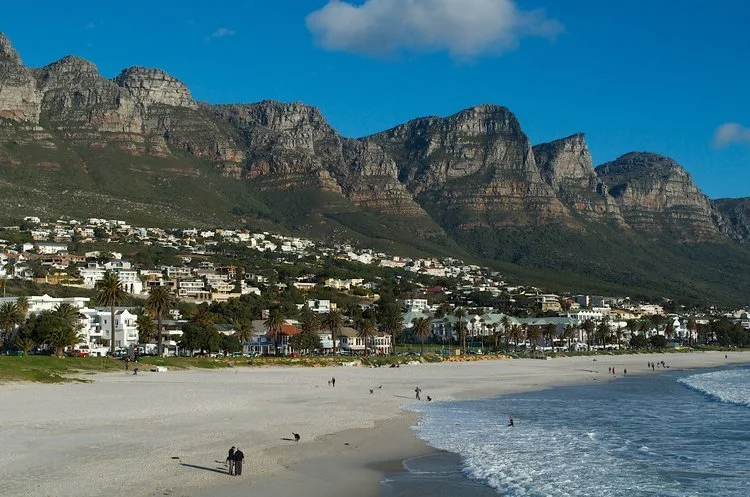
Camps Bay has a long white beach and many restaurants. It’s the trendiest spot, popular with young people. [info and map]
If time allows, head to Victoria & Alfred Waterfront for a relaxing dinner.
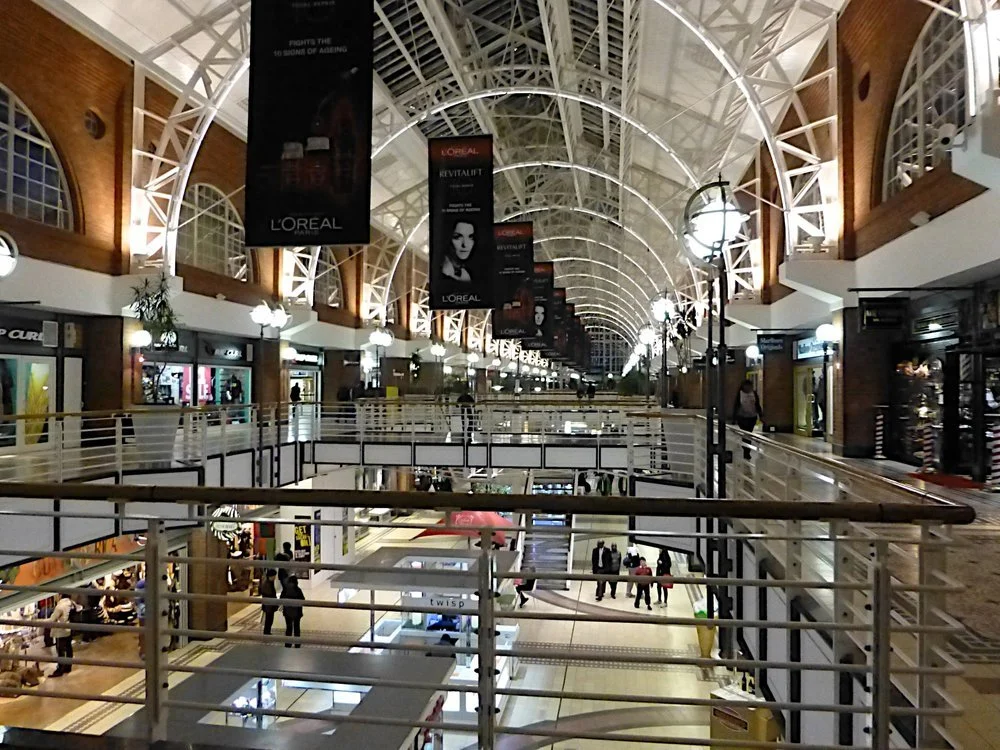
The Waterfront is a hub of activity where you’ll find restaurants and hotels, plus part of Cape Town’s working harbor. [list]
With Table Mountain as its backdrop, V&A Waterfront [map] is the place where locals and visitors come. [Learn more]
At night, the V&A Waterfront transforms into a lively scene with
street performers, live music, and hundreds of twinkling lights.
Download the Cape Town Visitors Guide.
Suggested restaurants: Clarke’s and Cafe Sofi.
Overnight: Cape Town. (6 nights)
Distance:
Airport ---> Cape Town. 25 min / 20 km.
Airport ---> Camps Bay. 30 min / 26 km.
V&A Waterfront ---> Camps Bay. 15 min.
DAYS 2 and 3
Explore Cape Town. Known for world-class wine, dining, and stunning natural beauty.
To get a general sense of Cape Town, buy a City Sightseeing Red Bus ticket. [Learn more]
The open-top, double-decker red buses stop at Cape Town’s must-see attractions.
The bus ticket allows you to hop on and hop off at your own pace.
Go up to the top of Table Mountain (elev. 1086 m.) with a cable ride, depending on the weather conditions. Whether it is covered in a blanket of clouds or showing off against a crisp, cloudless blue sky, Table Mountain is always spectacular.
Early morning is the best chance of clear weather on top of the mountain - start before 10 am or late in the day.
The iconic mountain is flat-topped, forming a prominent landmark overlooking the city of Cape Town.
Never hike alone. Criminals almost exclusively target individuals or isolated couples.
Other Points of Interest:
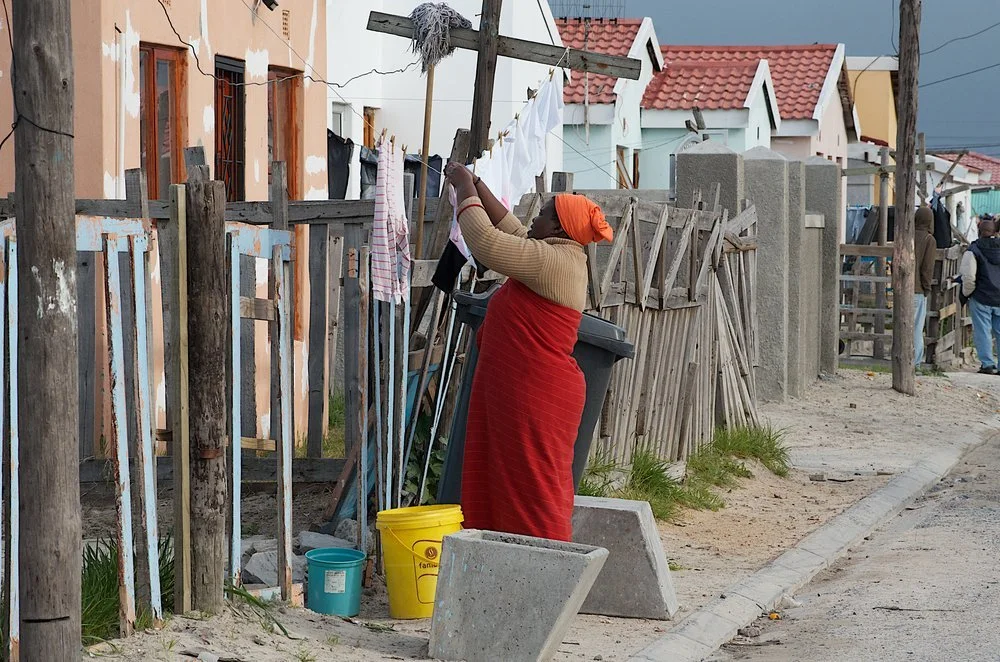
Township Tours - a unique tour understanding the culture and people of the townships, and an in-depth experience learning the history of apartheid.
Greenmarket Square - is one of the liveliest hubs in Cape Town—a great open market for souvenirs. The cobbled square is a bustling market filled with curios, food, buskers, jewelry, clothing, and knick-knacks.
It is famously one of the most expensive strips of real estate in South Africa. The crowd tends to be a bit more affluent and upscale. Plus stunning views of the 12 Apostles mountain range.
Victoria Road follows its length, offering views of the Atlantic Ocean on one side and the range’s dramatic ridges and ravines on the other.
Camps Bay is one of the world’s most famous beaches. [beach water temp]
Only a 15-minute drive from the city center and 30 minutes from the airport.
Bo-Kaap - a traditionally multicultural area known for its colored homes and cobblestone streets. [map]
Victoria & Alfred Waterfront - boasting five (5) shopping districts and countless restaurants and bars.
Other activities - Biking. Cape Cycle Routes offers excellent tours with friends or family! (add an EXTRA day).
Overnight: Cape Town.
Best scenic route to Cape Point is through the breathtaking Chapman’s Peak Drive. (Atlantic side)
DAY 4
Cape Point Highlights:
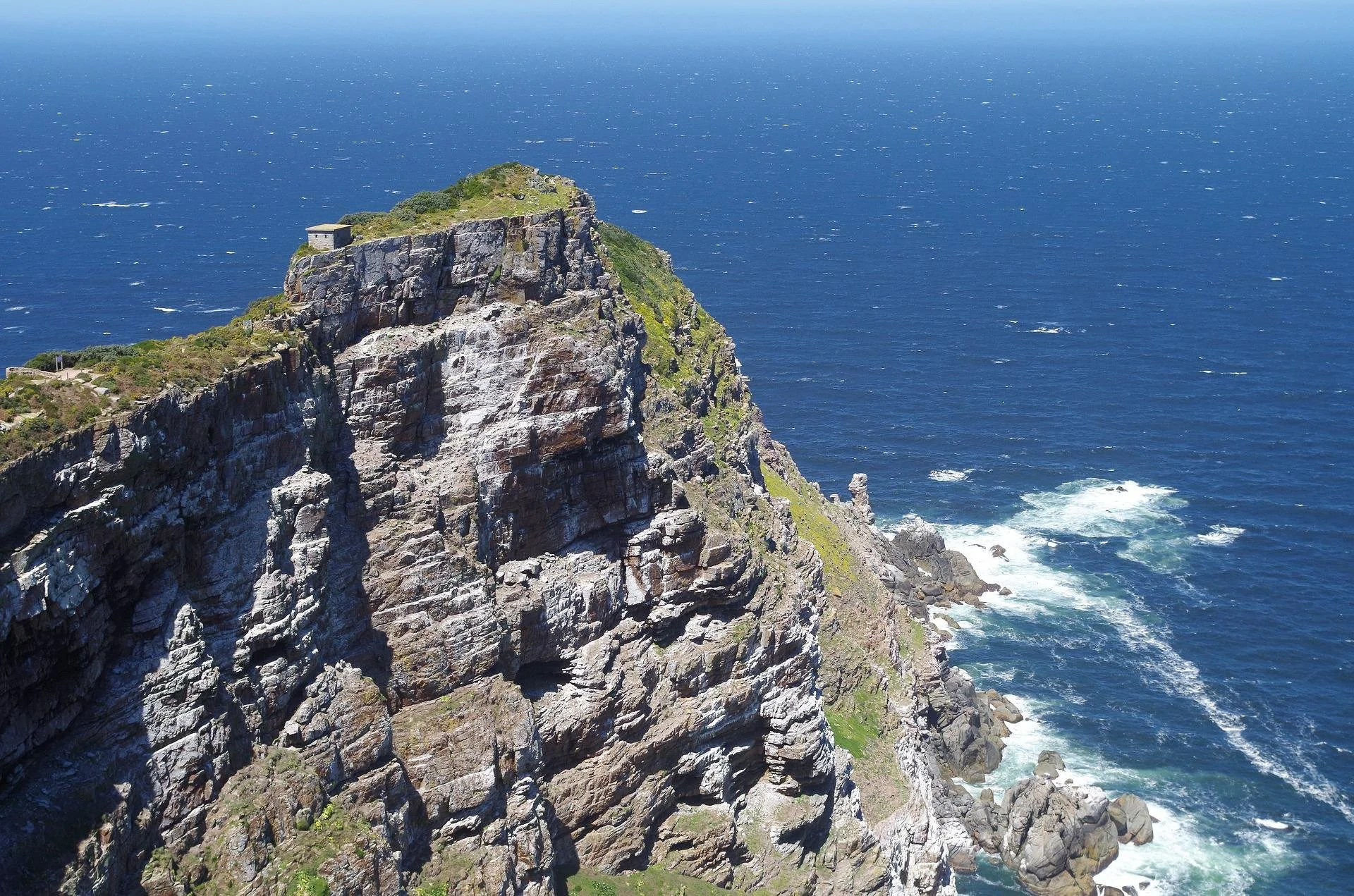
Journey to Cape Point (aka Cape of Good Hope), located at the tip of the Cape Peninsula.
The drive to Cape Point, with its tall sea cliffs, beaches, and valleys, is one of South Africa’s most scenic and highly recommended routes.
Don’t miss the Best Short walks at Cape Point, capturing the blue ocean, mountain views, and beautiful pristine beaches.
If time allows, return from Cape Point via Boulders Beach in Simon’s Town late afternoon to see the penguins—it’s the best time.
Chapman’s Peak Drive - one of the world’s best scenic drives.
The Route: Cape Town —> Hout Bay —> Chapman's Peak Drive —>Cape Point —>Boulders Beach —> Cape Town.
Things to do - Events, sightseeing in and around the region.
Noordhoek and Hout Bay are places worth stopping if you’re not in a hurry.
Overnight: Cape Town.
Distance: Cape Town to Cape Point. 2-hour.
The most idyllic route – coming from Cape Town – is via the coastal road M6. You will experience the great
Chapman’s Peak Drive, followed by Noordhoek with its Long Beach and the Mystic Cliffs settlement, before
finally reaching Cape Point National Park. [Map]
DAY 5
Tour Robben Island.
A visit to Robben Island gives you insight into the history of Apartheid. During apartheid, many Black people were kept on Robben Island as political prisoners, including former President Nelson Mandela.
The Robben Island tour lasts ~ 4 hours. The ferry departs from the Waterfront and takes about 30-45 minutes each way. (You may experience seasickness from the rough waters.)
Be advised: Robben Island tours need to be booked at least 1-2 WEEKS in advance.
Finish the day at one of Cape Town's famous restaurants. Reservations are a must! [Suggestions]
Overnight: Cape Town.

DAY 6
Discover Stellenbosch.
Stellenbosch is a lively university town known for wine and food. It is one (1) hour east of Cape Town, at the base of Stellenbosch Mountain.
Wine Tours are recommended.
Suggested estates: Rust en Vrede, Spier, Delaire Graff, and Muratie.
The Stellenbosch Vine Hopper is a hop-on, hop-off bus that takes you around the Stellenbosch wine farms.
This bus picks you up at your accommodations.
Overnight: Cape Town.
Distance: Cape Town ---> Stellenbosch 60-90 minutes depending on traffic.
DAY 7
Depart for your flight home or choose another African destination.

SAFETY CONCERNS:
Cape Town comes up frequently as a concern for potential visitors. To be clear, it needs to be put in perspective:
Like any major global city, safety in Cape Town is about common sense. Stick to well-known tourist areas, avoid walking alone at night, and use reputable transport like Uber or hotel shuttles. By following these standard precautions, your visit should be safe and enjoyable.
If you plan to hike Table Mountain or Lion's Head, do not go alone. Hike with at least one other person, preferably in a group of three or more, and finish before sunset.
Tip about Parking: If you’re renting a car, keep some coins on hand to tip the guys who “look after” your car when you park on the streets. They usually wear a yellow or orange vest and are helpful in finding parking spaces, and this is worth a tip.


Average cost:
(EXCLUDING AIRFARE)
$$$ USD for two (2) people.
Budget: $2,100
Moderate: $3,000
Luxury: $4,300 +

Search for your hotel

🌤️ Climate Guide:
Cape Town has dry periods from November through March.
The warmest months are December through March.
The coolest months are July and August.
June and July are the wettest months.
December through February are the driest months. Nice time to visit.

Cape Town Gallery
🎬 Video








sources: holiday rentals in capetown, wikipedia.org, aerospective (You tube), wikitravel.orgNo copyright infringement is intended on this website by travelwildnow.com