

ATHENS in 48 hours
Athens (pop. 3.2 million) is the capital of Greece. It was also once the heart of Ancient Greece, a powerful civilization and empire. The city is still dominated by 5th-century BC landmarks, including the Acropolis, a hilltop citadel.
Athens hosted the first modern Olympic Games in 1896, and it subsequently welcomed the Games again in 2004. The Olympic Stadium, known as the Panathenaic Stadium, is a historic venue that was originally built in ancient times and renovated for the modern Olympics.
Visiting the Greek Islands means everyone must at some point go through Athens, whether by air or ferry.

Below is a 48-hour bullet itinerary for the active traveler:
Arrive at Athens airport. Sofitel is the airport hotel. An excellent choice if you have a morning flight.
Athens airport is connected to central Athens by the Metro Train. It is ~ a 45-minute ride.
There are many excellent Hotels in central Athens.
Travel Guide: DK Top 10 Athens and Frommer’s Athens.
Athens Highlights:
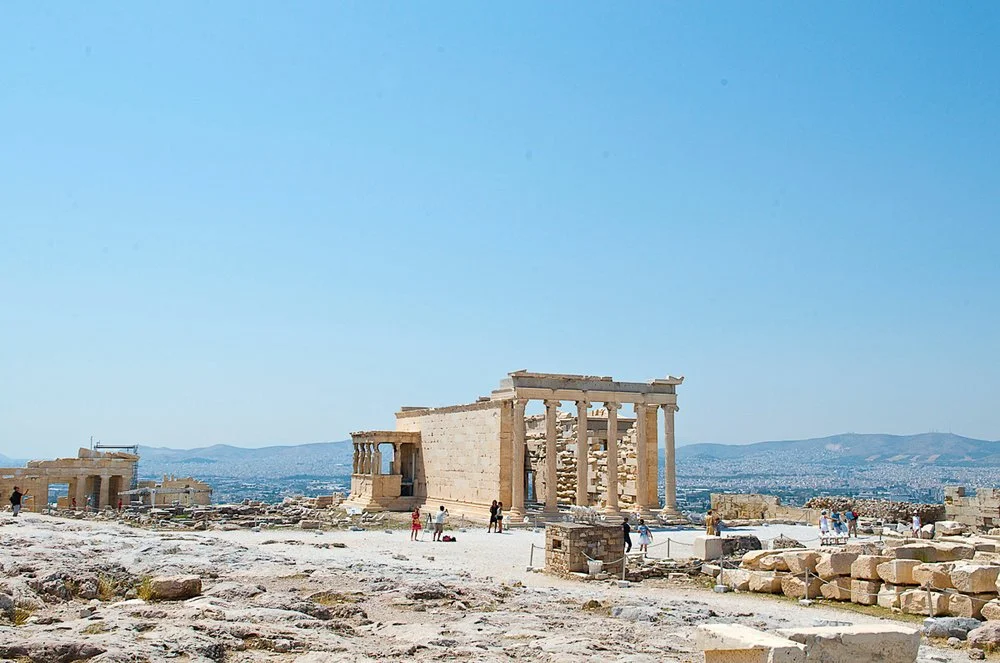
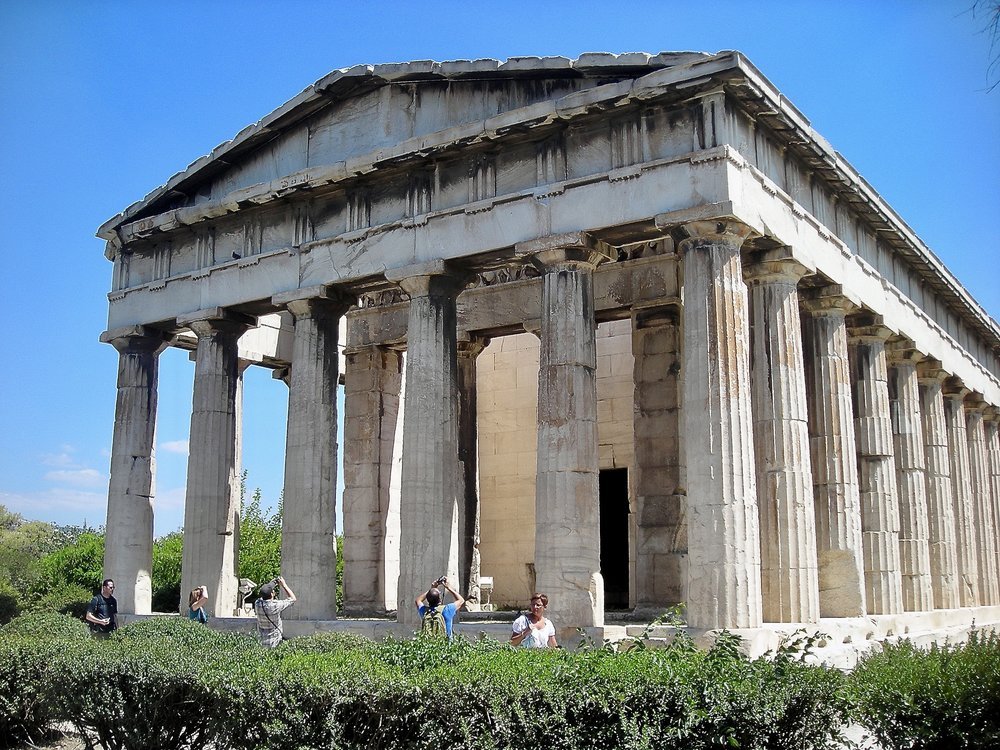
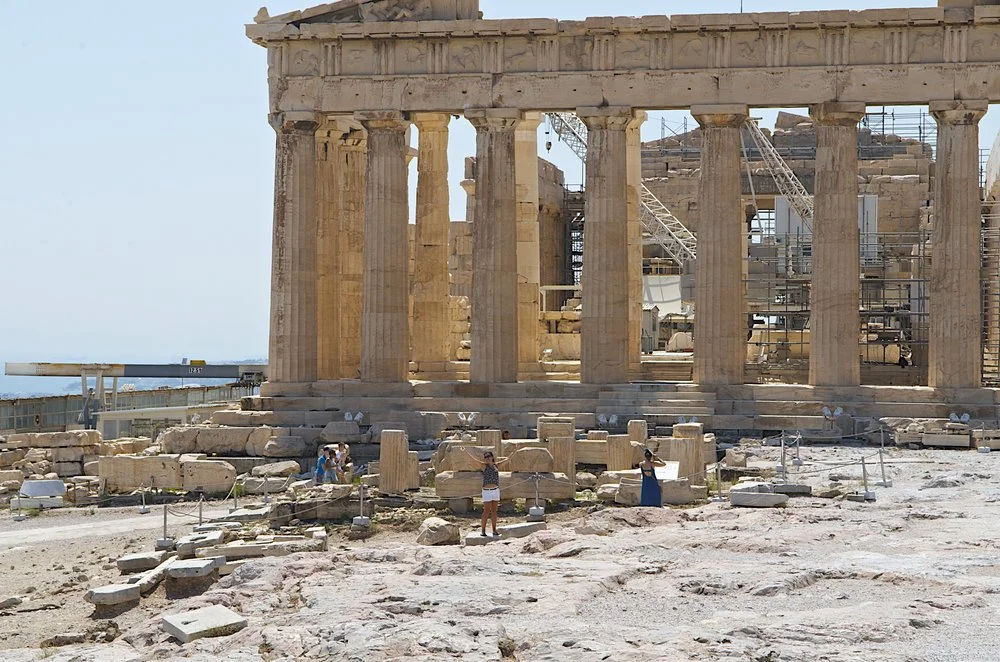
Explore the Acropolis. The Acropolis is on an elevated, flat-topped rock with a diversity of monuments and ruins built
between 510 and 400 B.C., including the Parthenon.Best to visit is early in the day before the hordes of tourist buses arrive, or late in the day.
For the best photos, arrive shortly before sunset.
⚠️ Bring water and sunscreen as you are in the direct sun.
Visit the NEW Acropolis Museum - housing thousands of artifacts from the archaeological site.
The museum stands at the foot of the Acropolis, only a 10 min. walk from the Parthenon. [Getting there]
Discover Plaka - the most famous historic neighborhood of Athens.
It is an area of restaurants, tourist shops, and lively cafes. Though it is quite commercialized, it is still arguably the
nicest neighborhood in central Athens.

The Greek Presidential Guard or Evzone
Quickly stop at Syntagma - the central square of Athens.
The Square has a significant and storied history in Greece. Throughout the years, it has been the site of numerous significant events that have been marked with both mourning and celebration. The Square has played host to some of the largest political rallies in the country.
Here you witness the popular event of “The Changing of the Guards”. It occurs every hour in the day, but on Sundays, it is the official ceremony with the official customs.
The square is located very close to the Presidential Mansion and to the Tomb of the Unknown Soldier, which is off Syntagma Square.

Learn more about delicious Greek dishes.
Wander around Monastiraki - a flea market neighborhood in the old town of Athens, which is one of the principal shopping districts in Athens. It consists of narrow streets and is one of the best places to relax and enjoy the scenery at one of the many cafes and restaurants.
The National Archaeological Museum - is one of the biggest and most remarkable archaeological museums in the world. Its outstanding exhibits give you the opportunity to travel back in history. If you are planning to visit a museum in Athens, then this is the one.
The Odeon of Herodes Atticus is a stunning open-air stone theatre structure located on the slope of the Acropolis.
Today, it is one of the best places to experience a live classical theatre performance. This ancient theater was built in Roman times, in about 161 A.D.
Events are held between May and October. [Check here for theater events]
Athens boasts a vibrant nightlife scene with numerous bars, clubs, and entertainment venues.
Piraeus, outside Athens, is the main port for Greek cruises. Cruises run from April to October.
By Metro (Line 1-green), you can reach Piraeus port in 1 hour from central Athens.
Diversion: Add an extra day for an excursion to the island of Hydra.
Hydra Island is a picturesque and tranquil destination—perfect for a day trip from Athens if you have extra time.
Here are some key features and highlights of Hydra Island:
Natural Beauty: Hydra Island is famous for its natural beauty. It has rugged coasts, clear waters, and rocky hills. No cars on the island
add to its peaceful feel.Architectural Charm: The main town, Hydra, is a beautiful example of 18th-century Greek architecture. Its narrow cobblestone streets,
stone houses, and old buildings give it a charming atmosphere.Hydra Port: Hydra’s bustling harbor is the island’s center, lined with lively cafes, tavernas, and shops. Fishing boats, yachts, and wooden caiques often fill the picturesque port, adding to its charm.
Artistic Influence: Hydra has long drawn artists, writers, and musicians. Its calm atmosphere and lovely scenery have inspired many
famous creators.Tranquility and Relaxation: Hydra Island is car-free, making it a calm, relaxing escape from city life. Visitors can take easy walks or hikes,
or relax on its beautiful beaches.Festivals and Events: Hydra holds festivals year-round. The Miaoulia Festival, honoring Admiral Andreas Miaoulis, features fireworks, traditional music, and dancing.
Getting there: The trip with a regular ferry from Piraeus port lasts approximately 2 hours each way.
Diversion: Add a day: Nafplio (Nafplion) is considered one of the most beautiful and romantic cities in Greece.
🎬 Video
👍 Located ~ two (2) hours from Athens, it serves as an excellent one-day diversion, offering a blend of Venetian architecture,
neoclassical mansions, and significant Greek history.
Getting There:
By Car: The drive is approximately 1 hour and 45 minutes (137 km). On the way, most travelers stop at the Corinth Canal for a quick photo of the narrow passage between the Peloponnese and mainland Greece.
By Bus (KTEL): Frequent buses depart from Athens’ Kifissos Bus Terminal. The journey takes about 2 hours and 10 minutes, and tickets are approximately €13–€16.
Organized Tours: Many day tours combine Nafplio with nearby UNESCO sites like Mycenae (ancient ruins) and Epidaurus (the famous ancient theater).
Top Things to Do in One Day:
Palamidi Fortress: This massive Venetian fortress sits 216 meters above the town. You can take a taxi to the entrance or, for the adventurous, climb the "999 steps" (actually 913) from the town center for sweeping views of the Argolic Gulf.
The Old Town: Nafplio was the first capital of modern Greece. Wander through the pedestrianized marble-paved streets, particularly around Syntagma Square, to see elegant architecture and colorful bougainvillea.
Bourtzi Castle: This small fortress sits on an islet in the middle of the harbor. Small boats run frequently from the waterfront to take tourists for a quick 10-minute ride to explore the island.
Arvanitia Promenade: A scenic, paved seaside path that winds around the base of the Akronafplia rocks. It’s a flat, easy 15-minute walk that leads to Arvanitia Beach, a small pebble cove perfect for a quick dip.
Museums: The Archaeological Museum in the Old Town is housed in a grand Venetian building and features artifacts dating back thousands of years.
Traveler Tips:
Try the Gelato: Nafplio is famous for its Italian-style gelato shops in the Old Town—a nod to its Venetian history.
Shopping: The town is known for high-quality leather goods and traditional komboloi (worry beads), with a dedicated museum
located in the center.Timing: To make the most of a day trip, try to leave Athens by 8:30 AM to arrive in Nafplio before the midday heat, especially
if you plan to climb the fort.

🌦️ Climate
The best time to visit is May, June, September, and October, when the temperatures are pleasant.
The hot season is from late June through August. Temps in 90’s common. Best to avoid.
Athens has dry periods in May through September.
The warmest month is July. In the summer, you may get days of 100 degrees (38°Celsius)
The coolest month is February.

Athens Gallery
🎬 Video







sources: wikipedia.org greeka.comNo copyright infringement is intended on this website by travelwildnow.com