FAIRY-TALE VILLAGES ACROSS EUROPE

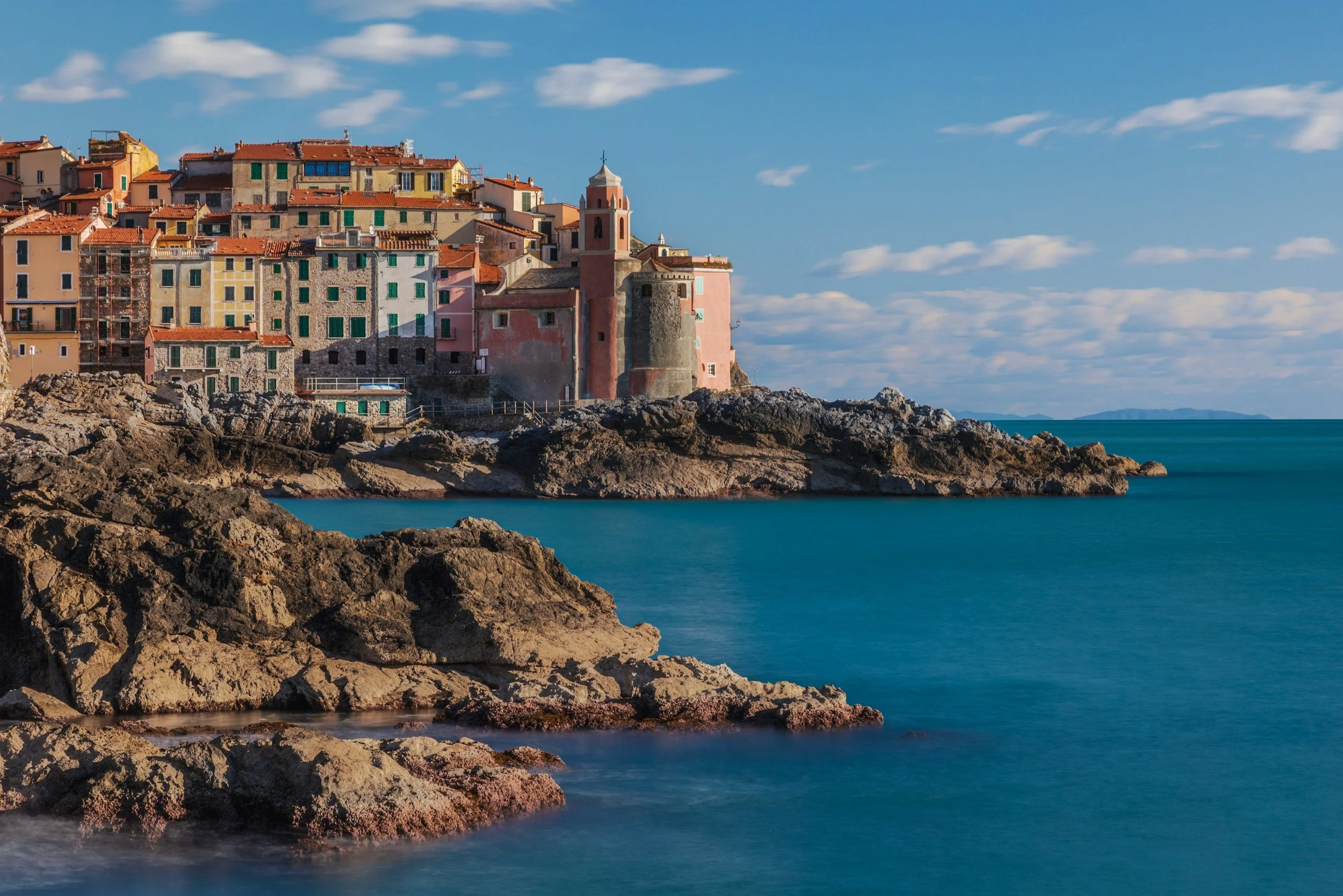
1. Tellaro, Italy. This secluded Ligurian gem sidesteps the heavy crowds of nearby Cinque Terre. Its pastel-hued buildings and narrow stone stairways wind down to a rugged harbor, offering a serene Mediterranean escape. The pace of life here is dictated by the rhythm of the sea, making it a perfect sanctuary for those seeking authentic coastal charm and quiet sunset views over the Gulf of Poets.
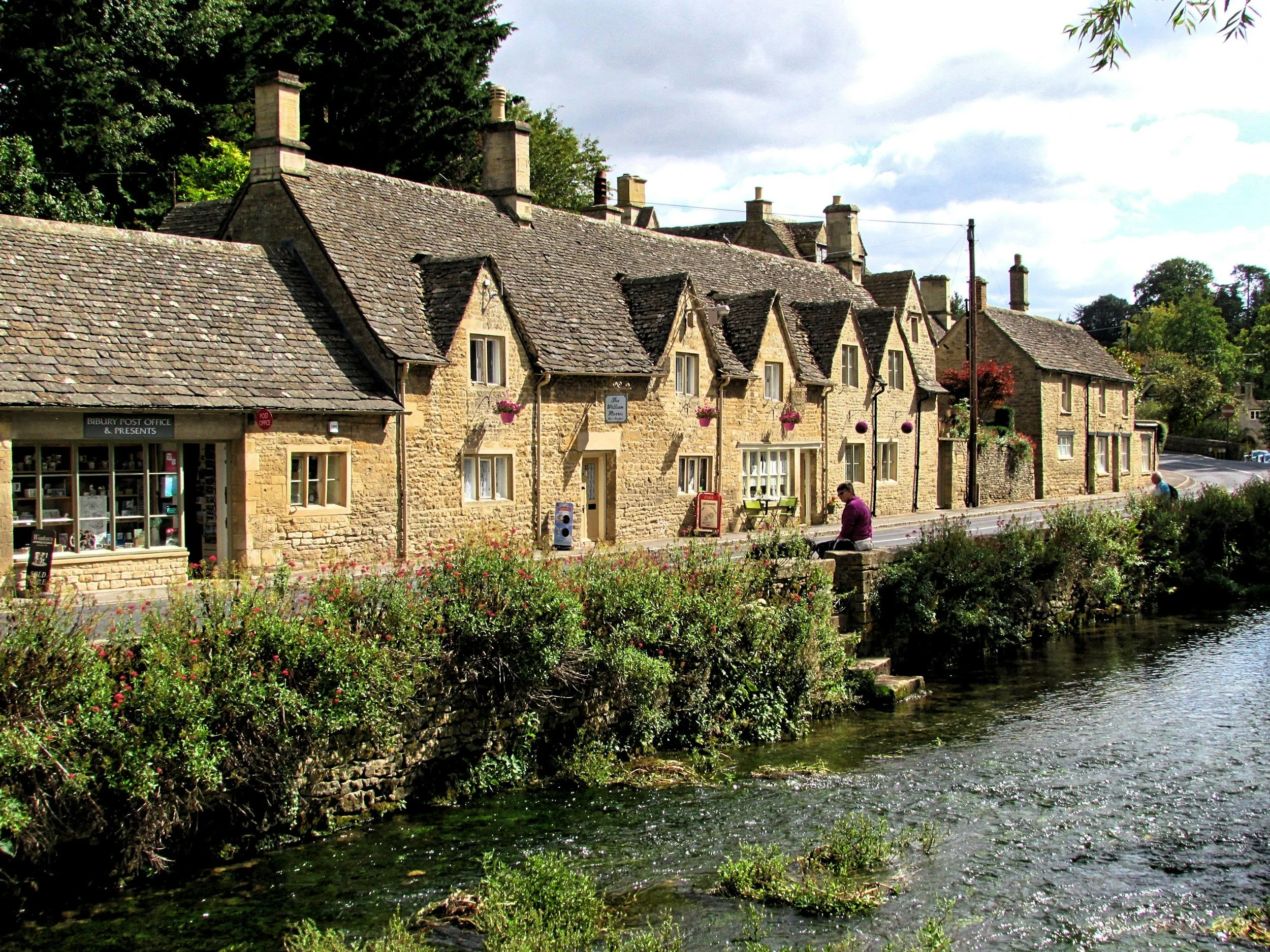
2. Bibury, England. Often called England's most beautiful village, Bibury is known for Arlington Row — honey-colored 14th-century cottages beside the peaceful River Coln. With green water meadows and well-preserved historic buildings, it feels like a scene from a classic British novel.
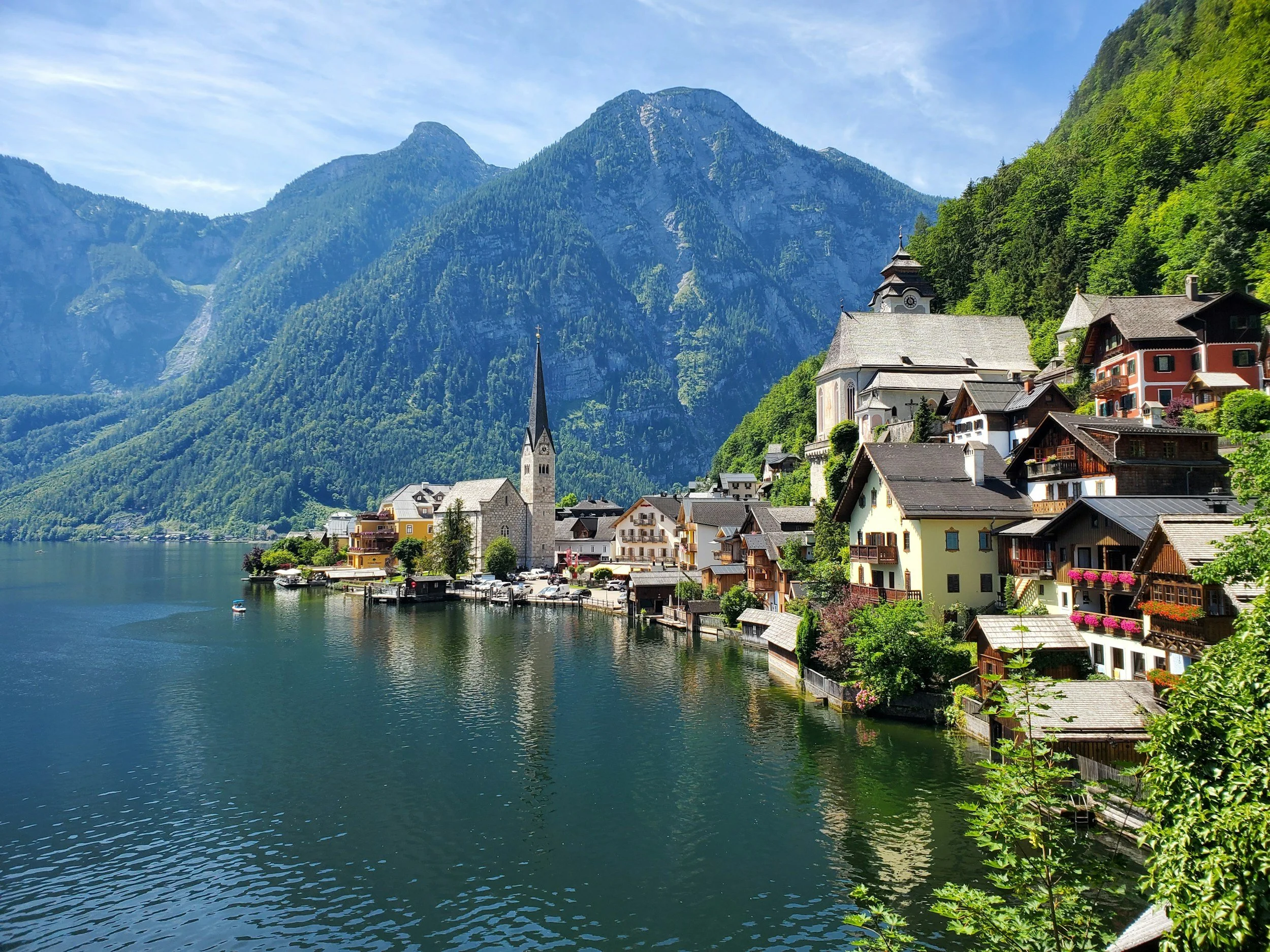
3. Hallstatt, Austria Nestled between the dramatic Dachstein Mountains and the glassy waters of Lake Hallstatt, this Alpine village is famous for its 16th-century timber houses. Its beauty is so legendary that a replica was built in China, but nothing captures the magic of the original’s misty, lakeside atmosphere. It is a stunning blend of prehistoric salt-mining history and breathtaking mountain scenery that defines the Austrian Alps.
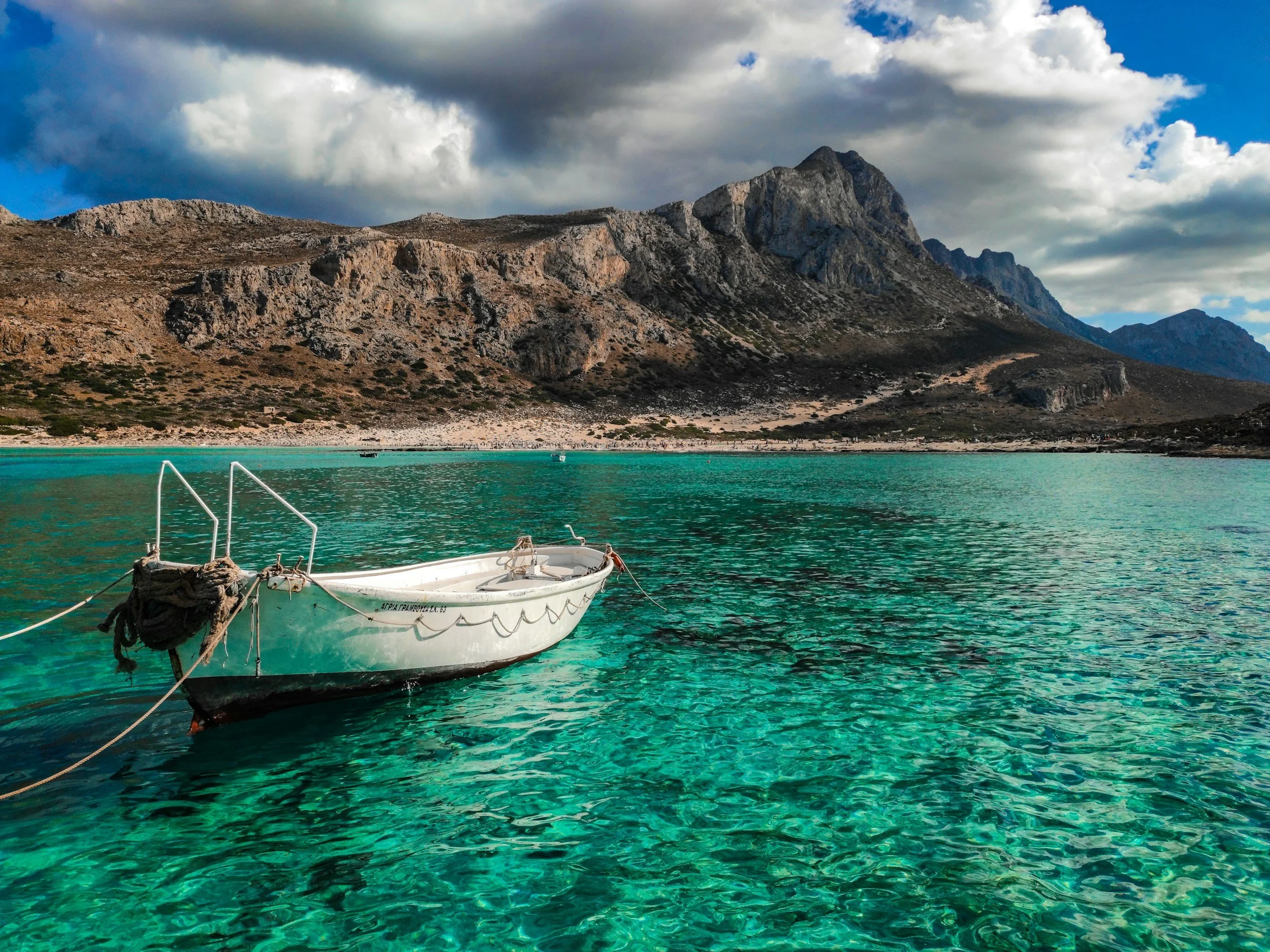
4. Folegandros, Greece, Folegandros has the classic Cycladic look—white buildings and deep blue sea—but without Santorini’s crowds. Its main village, Chora, sits on a steep cliff and is car-free, keeping a quiet, authentic Greek feel. You can stroll shady squares and hike rocky paths, finding a wilder, more peaceful Aegean island that feels largely untouched.
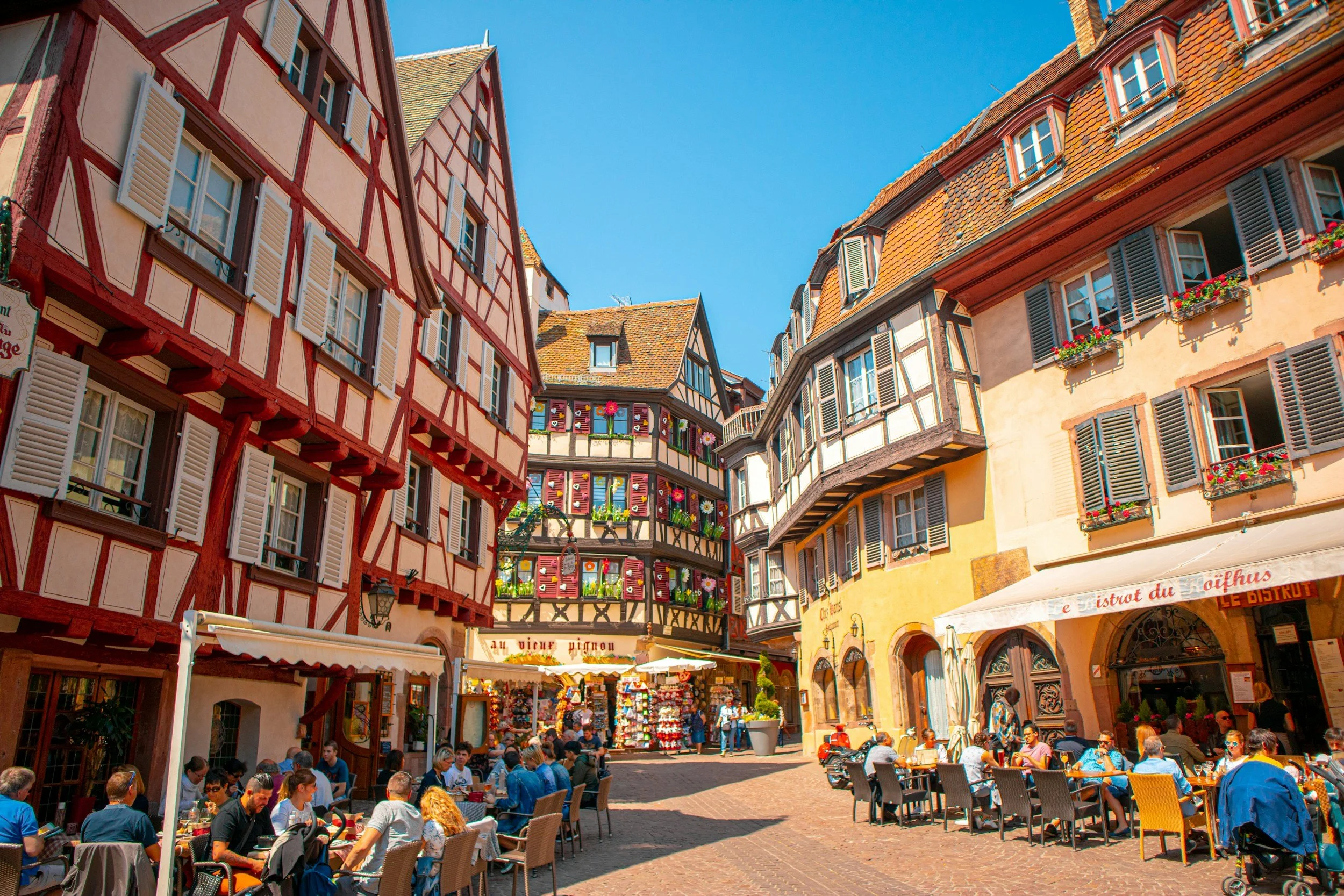
5. Colmar, France. Spared from destruction during WWII, Colmar’s "Little Venice" district is a labyrinth of cobblestones and vibrant half-timbered houses. This Alsatian town blends French and German influences through its stunning architecture and flower-lined canals. It is a living storybook where every corner reveals a new bit of history, world-class local wines, and a festive atmosphere that peaks during its famous, magical Christmas markets.
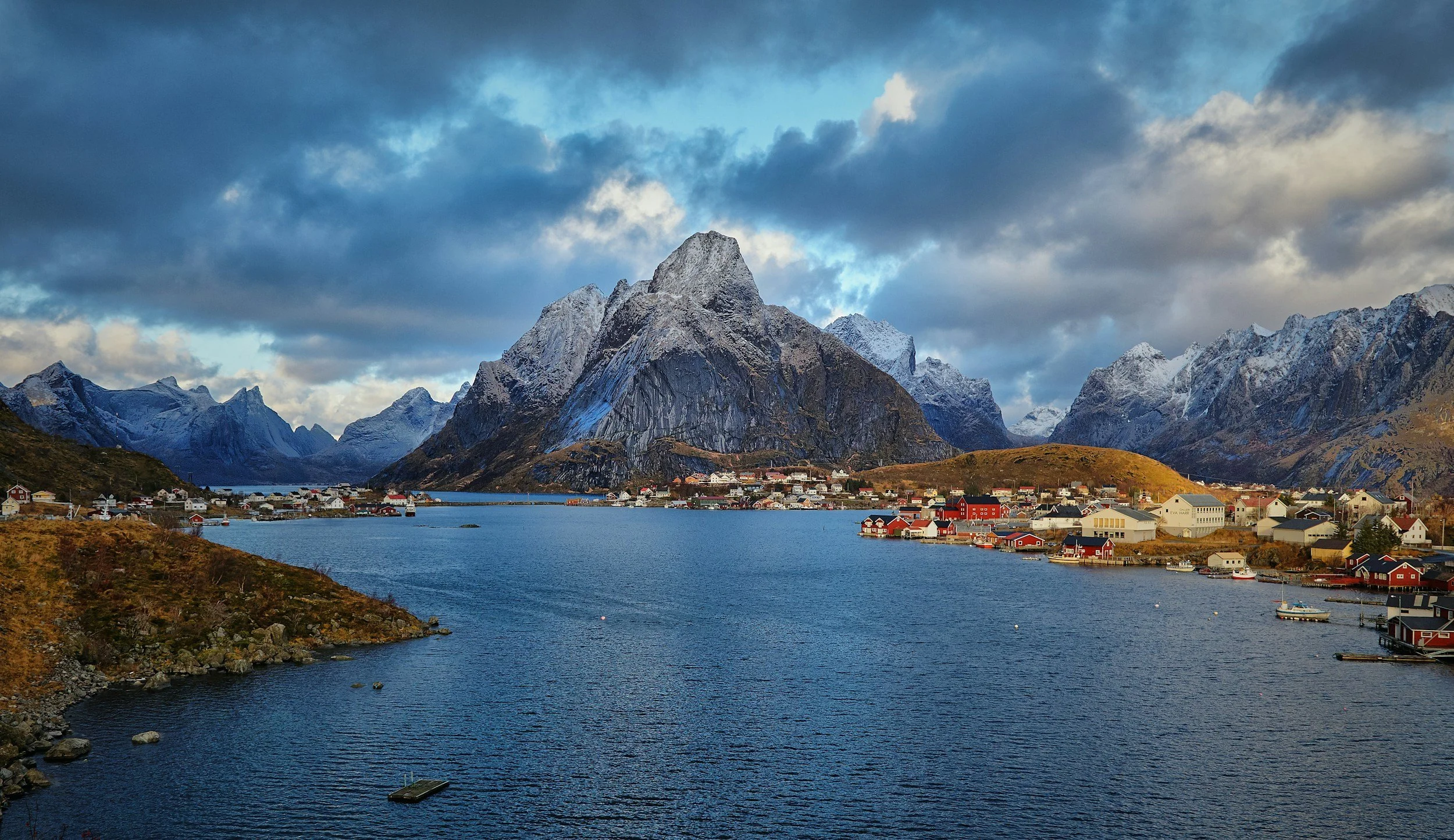
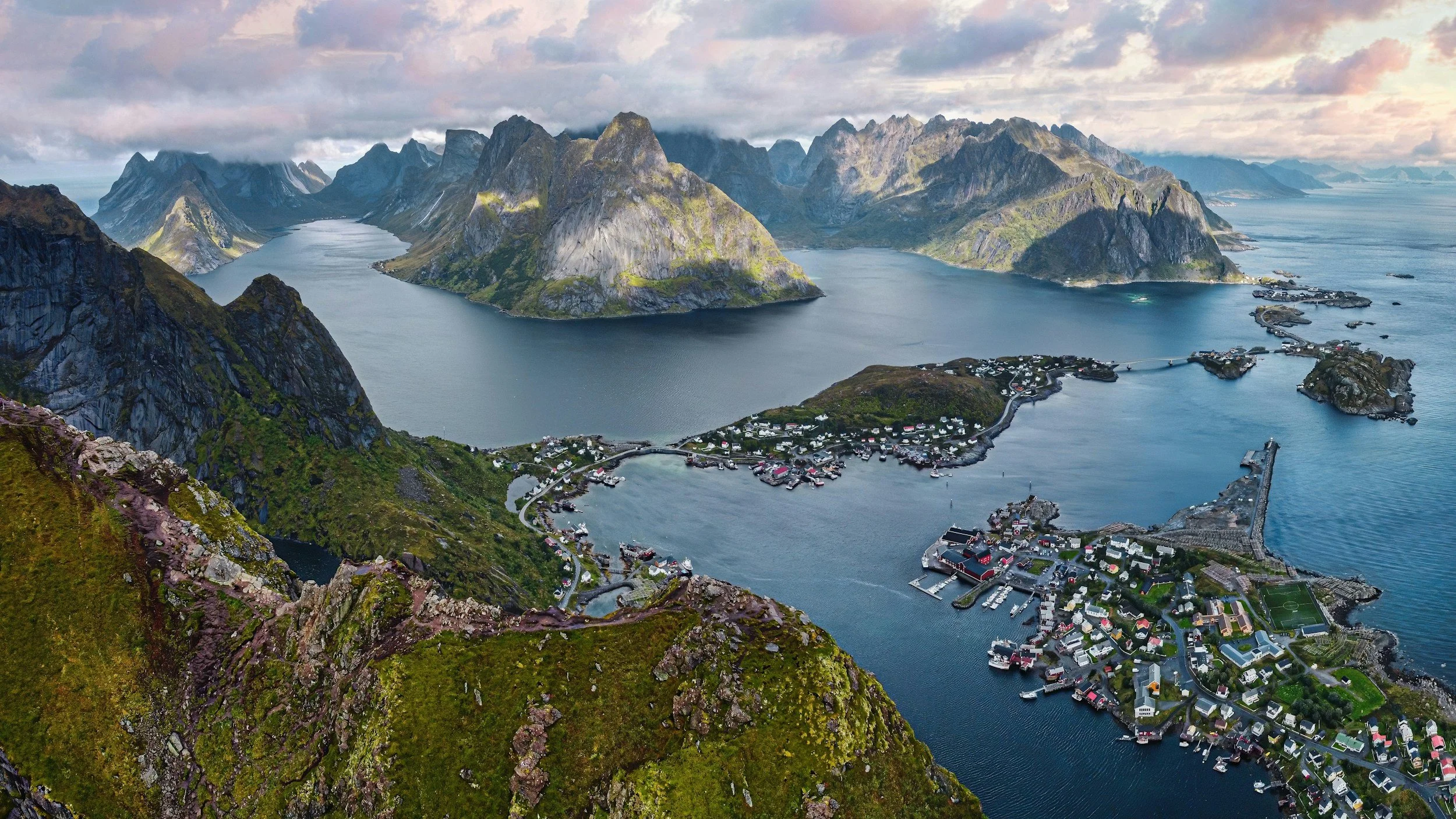
6. Reine, Norway, is located in the Lofoten Islands inside the Arctic Circle. It is a striking fishing village where red wooden cabins sit below sharp granite peaks. The wild landscape offers Northern Lights in winter and the Midnight Sun in summer. A photographer’s dream, it pairs rugged northern beauty with warm, traditional hospitality.
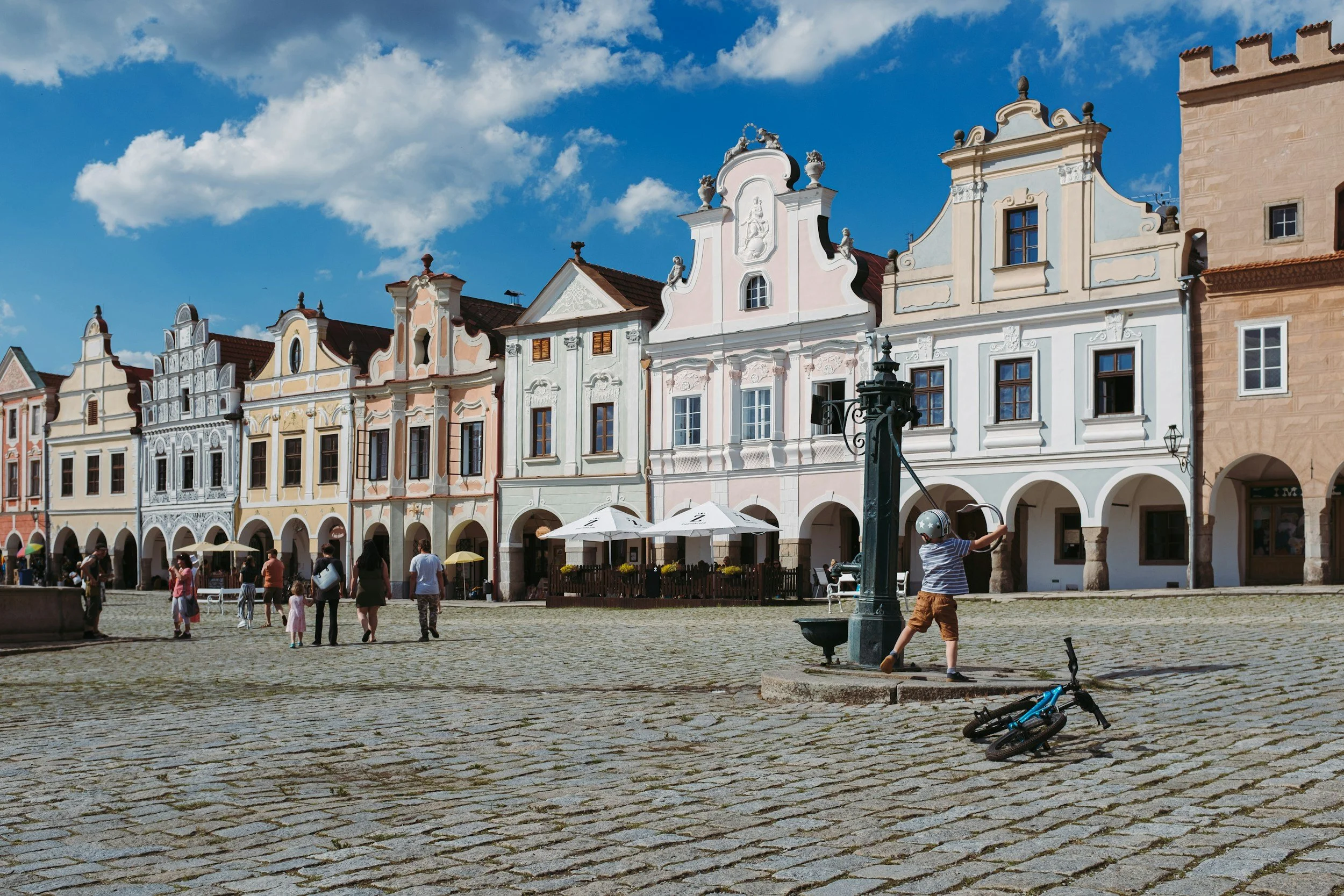
7. Telč, Czech Republic, Telč is famous for its UNESCO-listed main square lined with matching Renaissance and Baroque houses with tall, pastel gables. Surrounded by medieval fish ponds and a 17th-century chateau, the town feels very harmonious. Its detailed gables and arcades give a theatrical look that has barely changed for centuries, making it a Central European urban masterpiece.
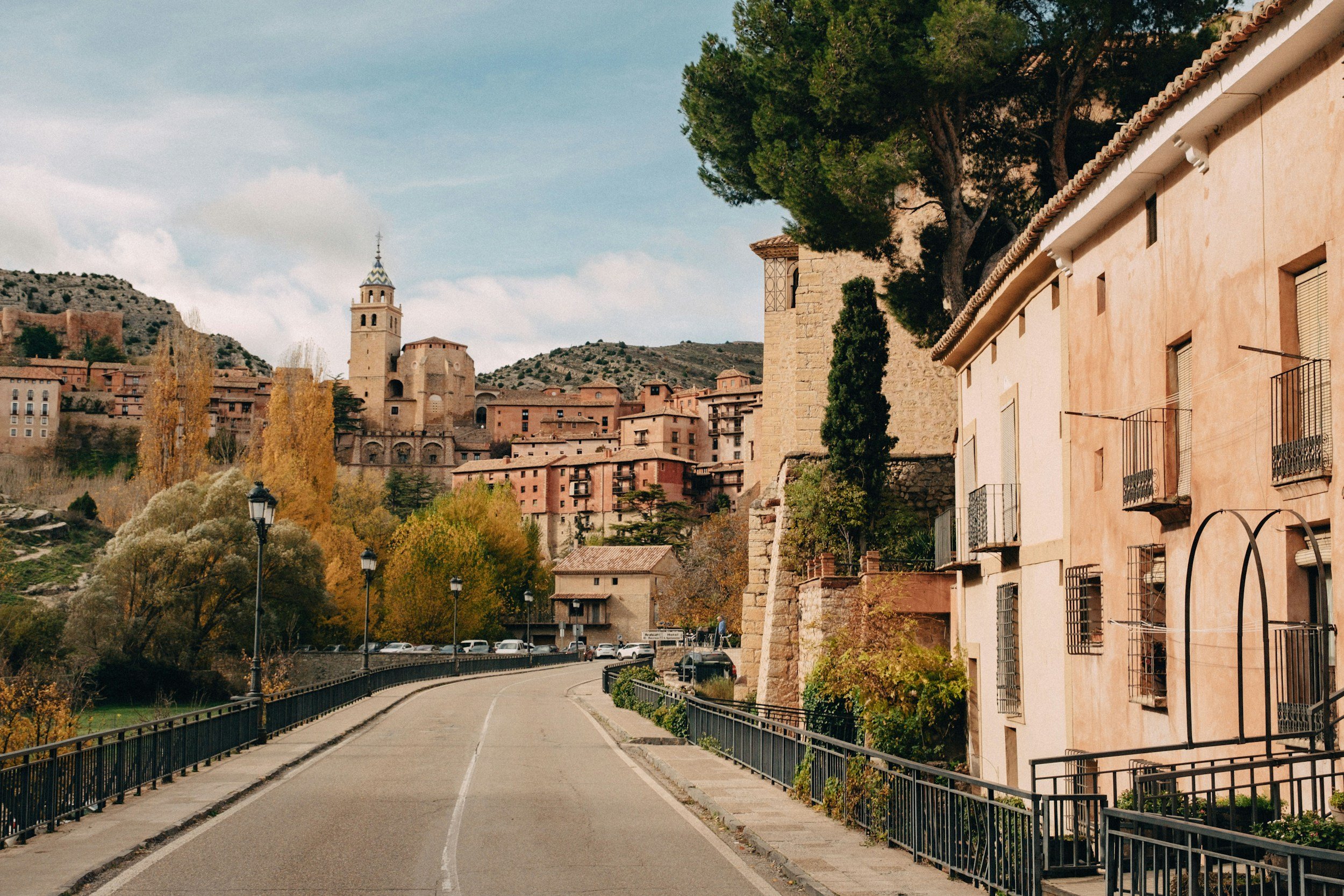
8. Albarracín, Spain, Perched on a rocky hill in Aragon, this medieval village is known for its pink-red stone. Old defensive walls climb the cliffs, and narrow, winding streets show hanging wooden balconies and Moorish touches. It’s a rugged, vertical maze that feels ancient and fortified, a striking contrast to the green valleys of northern Europe.
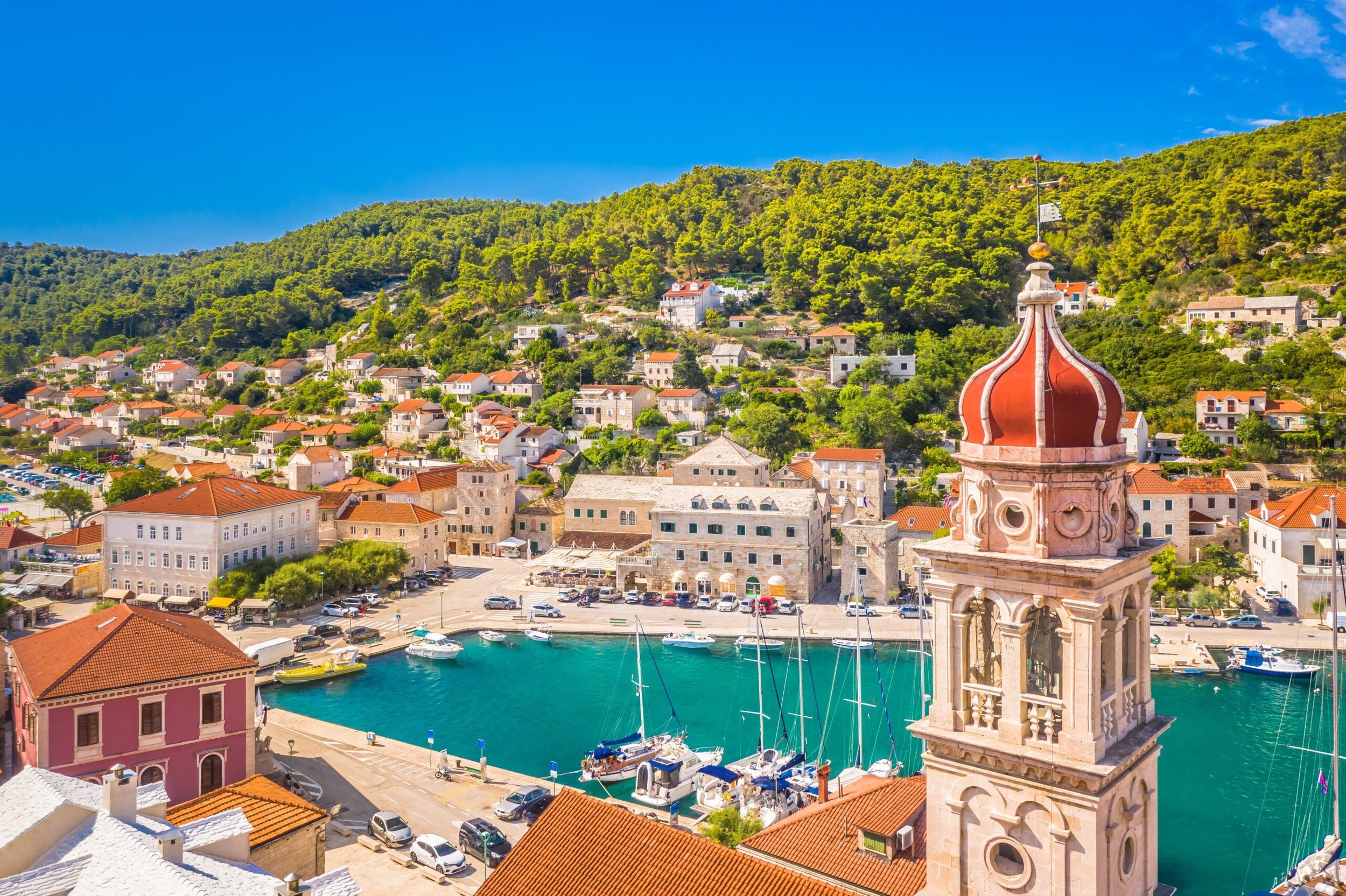
9. Pučišća, Croatia. Located on the island of Brač, this seaside village is built from shimmering white limestone, the same stone used for the U.S. White House. The village wraps around a deep, sapphire bay, with terracotta roofs contrasting beautifully against the pale stone. It is home to a world-famous stonemasonry school, and the local craftsmanship is evident in every polished street and sculpted balcony, reflecting a deep Mediterranean heritage.
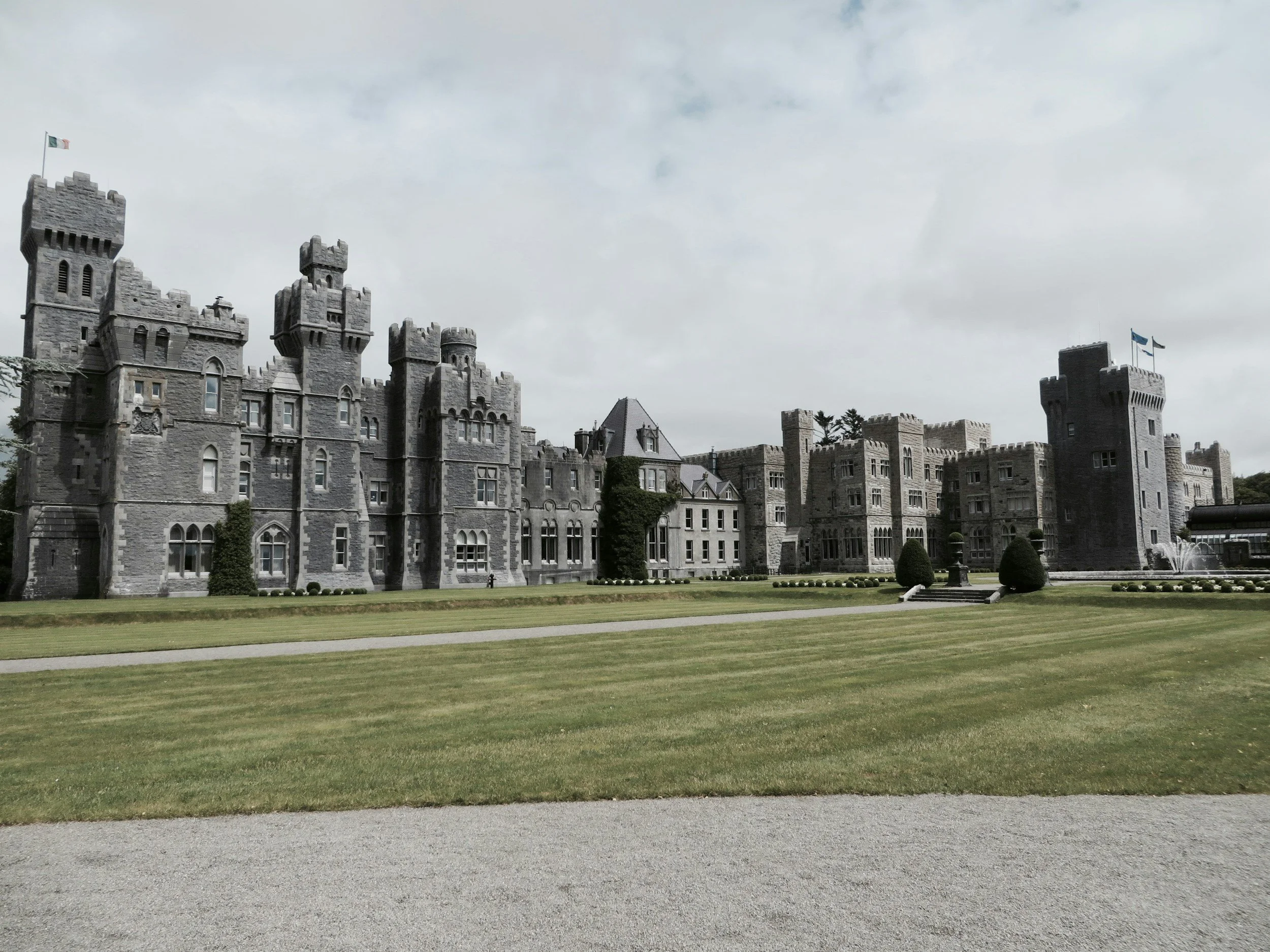
10. Cong, Ireland. Straddling the border of County Mayo and Galway, Cong is a verdant village famous as the filming site for The Quiet Man. It features the haunting ruins of a medieval abbey and the majestic Ashford Castle nearby. Surrounded by rushing streams and ancient woodlands, it captures the emerald spirit of Ireland, offering a mix of cinematic history, folklore, and some of the most luxurious lakeside views in the country.
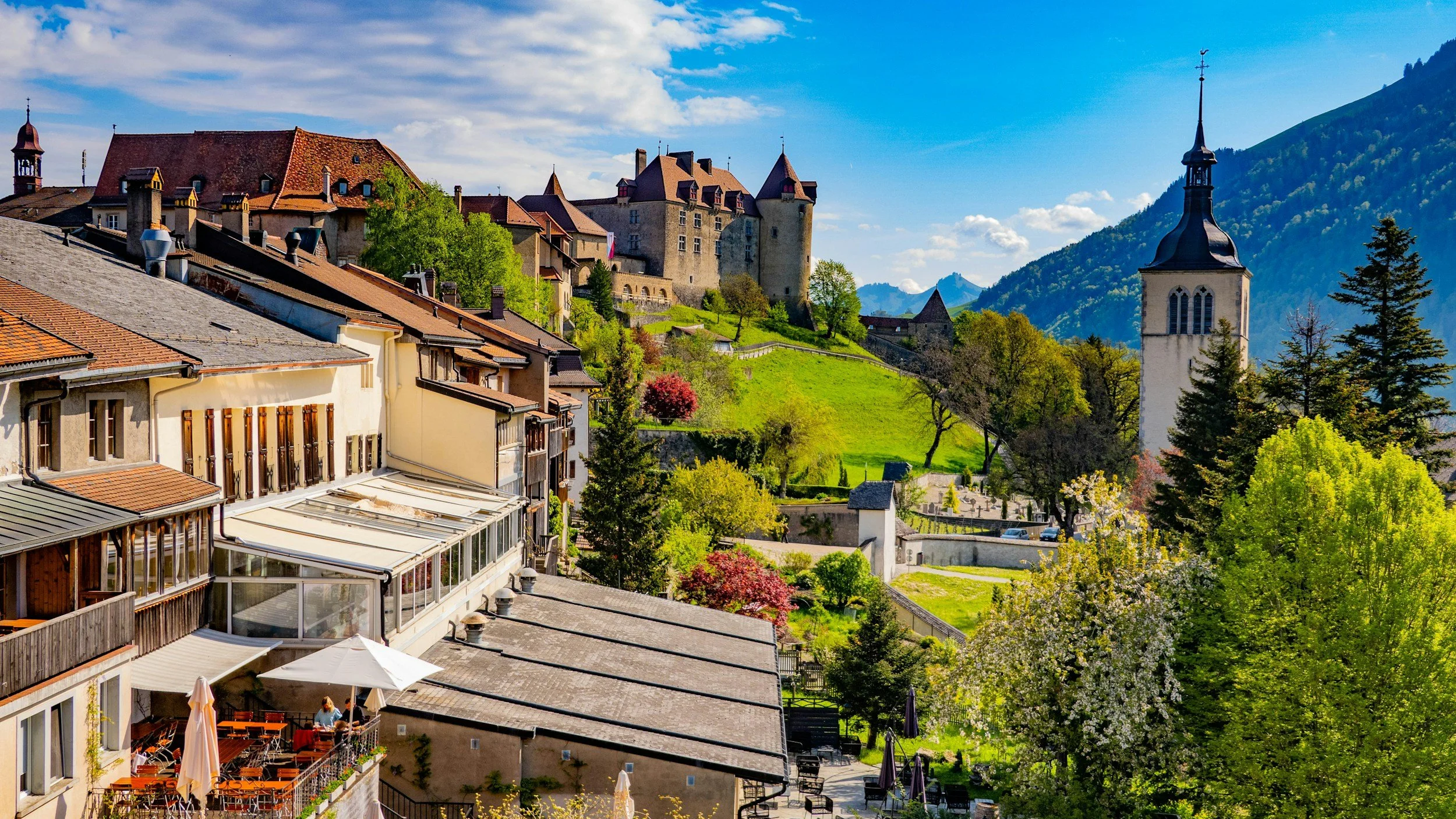
11. Gruyères, Switzerland. This hilltop medieval town is as famous for its scenery as its namesake cheese. Visitors can explore the 13th-century Gruyères Castle, walk the fortified walls, and enjoy panoramic views of the Alpine foothills. The cobblestone streets are filled with the scent of traditional fondue and double cream. It is a perfectly preserved slice of Swiss history where the green pastures and mountain air create a truly sensory experience.
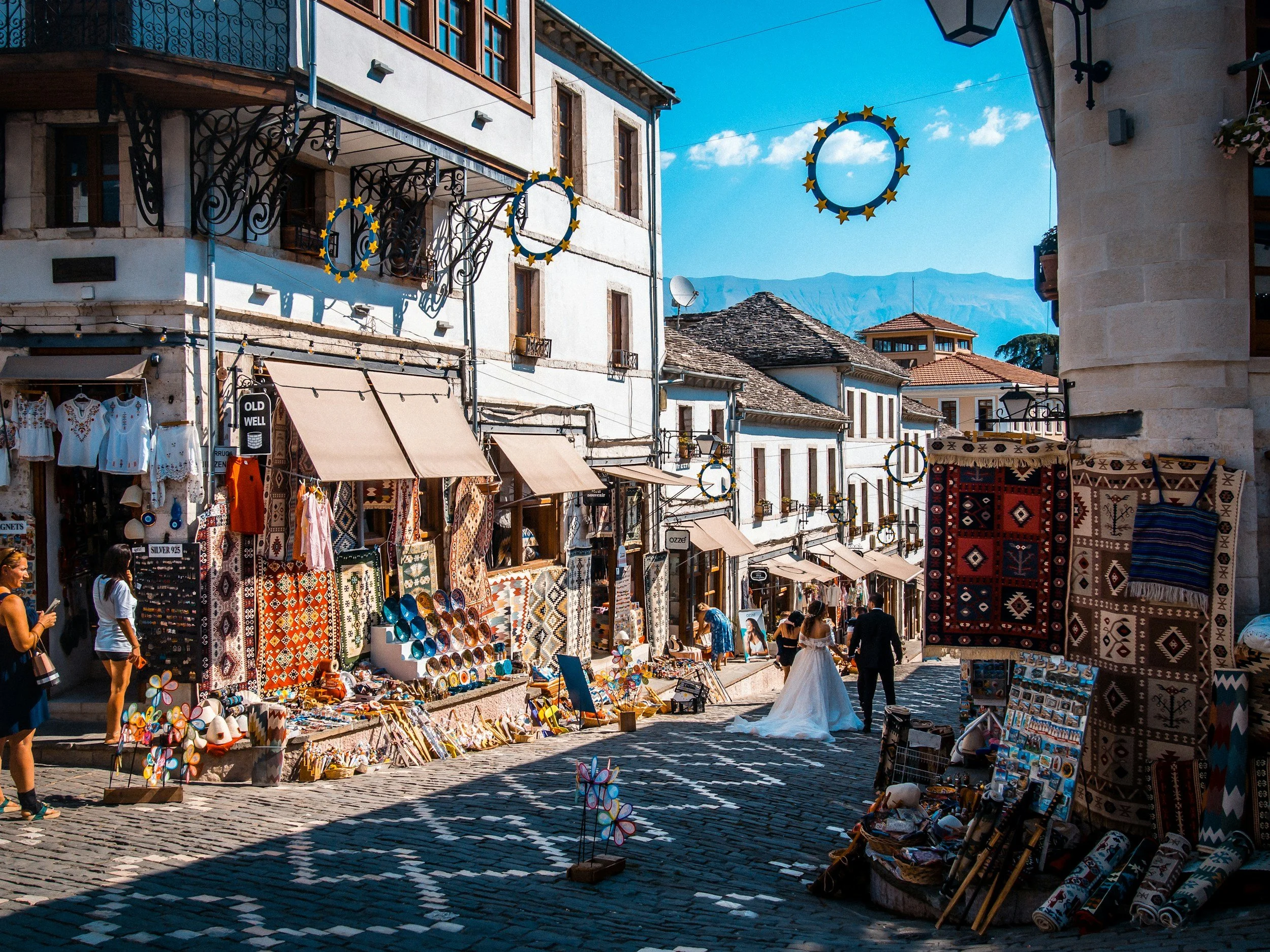
No copyright infringement is intended on this website by travelwildnow.com12. Gjirokaster, Albania, is a UNESCO World Heritage site, known as Albania’s "Stone City." Famous for its Ottoman-era fortified tower houses and steep cobblestone streets, it features a stunning 12th-century castle overlooking the valley. Explore the vibrant Old Bazaar for artisan crafts and enjoy traditional cuisine in this historic hillside gem.
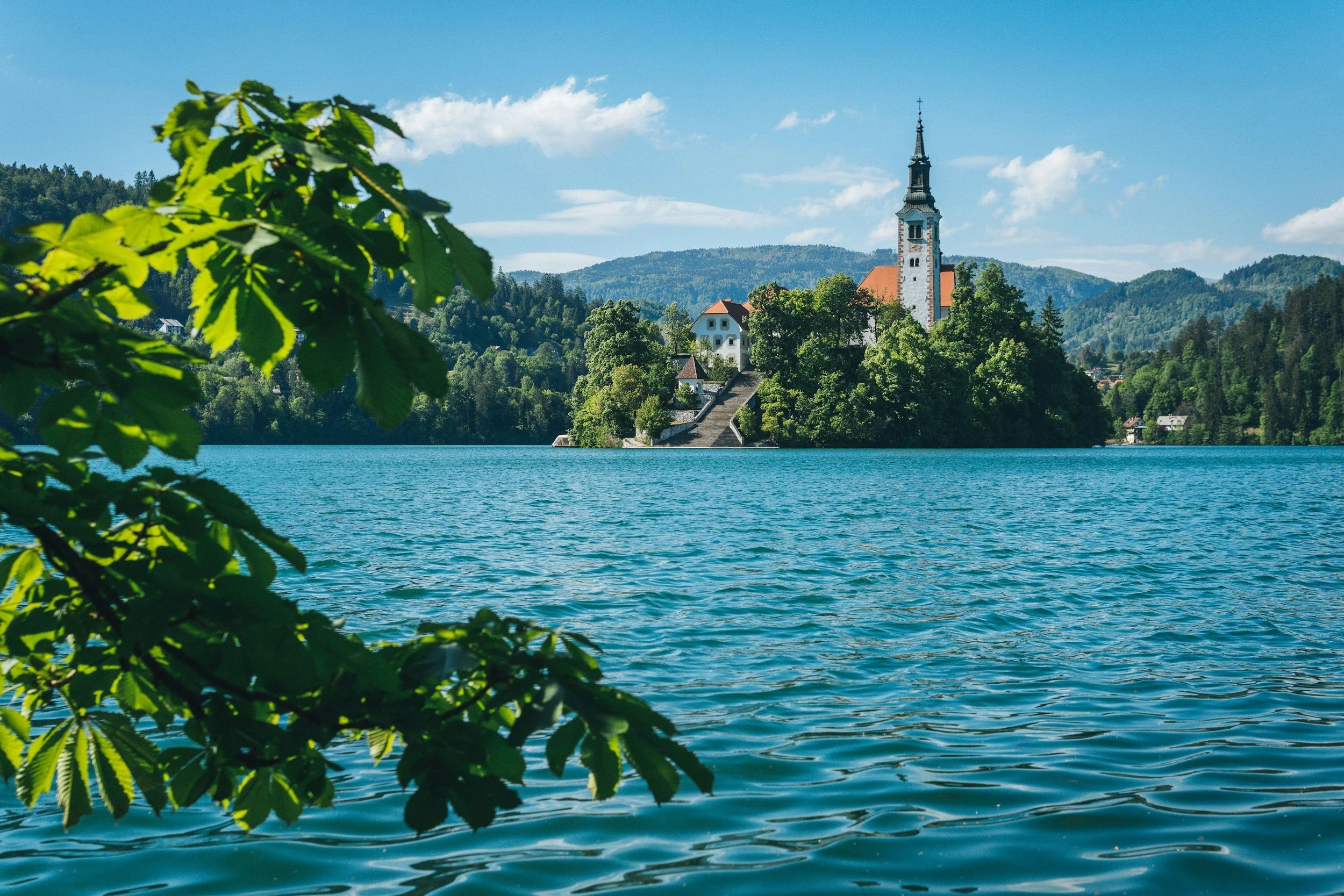
Bled, Slovenia. Bled is known for its emerald-green lake with a tiny island topped by a church. A medieval castle on a cliff overlooks it, making the town a top romantic spot. Visitors reach the island by wooden pletnas and try the famous cream cakes. The Julian Alps form a dramatic backdrop to one of Europe’s most photographed places.
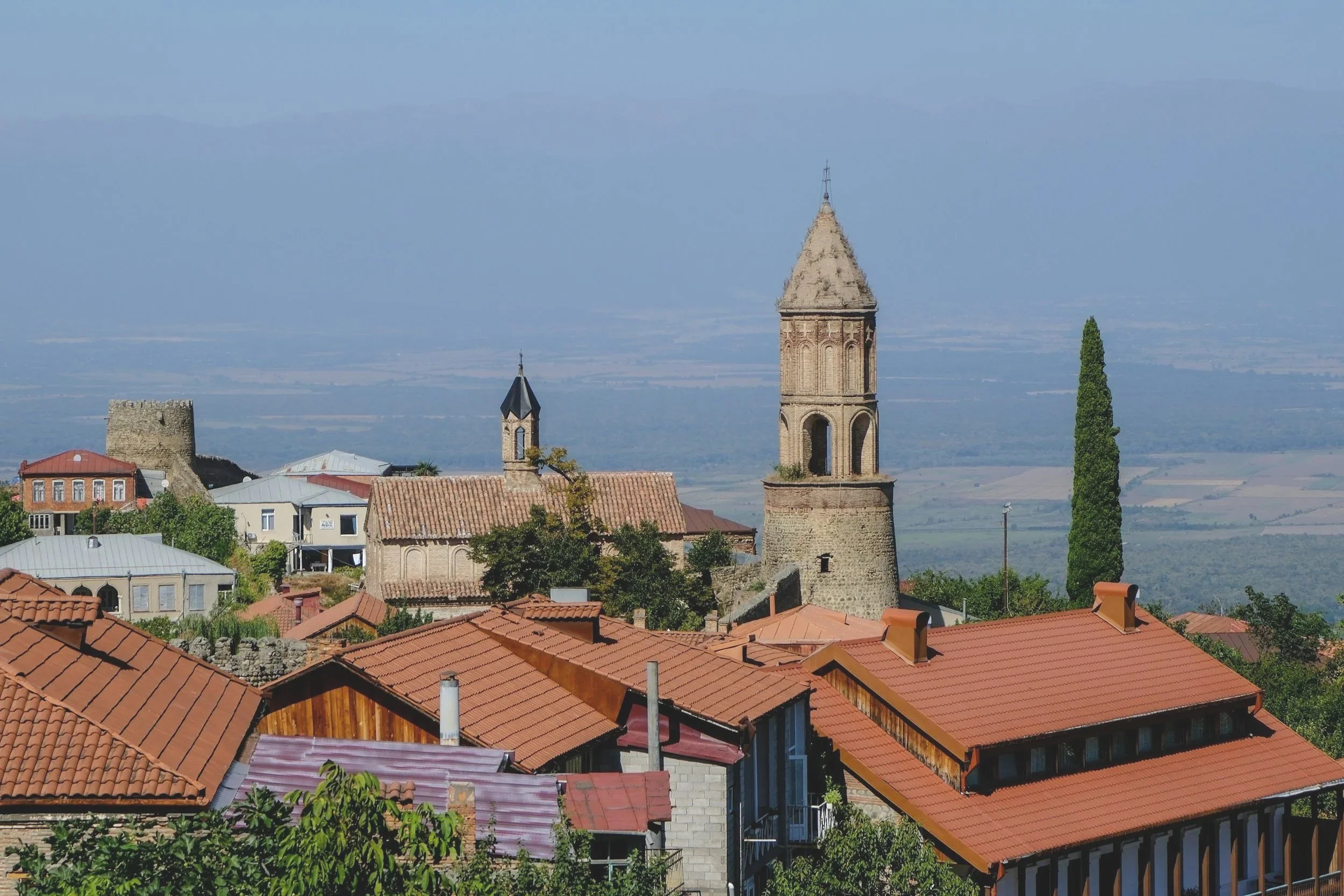
14. Sighnaghi, Georgia, Often called the "prettiest town in Georgia," Sighnaghi sits on a high ridge overlooking the Alazani Valley. It is enclosed by a massive 18th-century stone wall with
23 towers. Its cobblestone streets, terra-cotta roofs, and colorful wooden balconies create a look that feels like a blend of an Italian hill town and traditional Caucasian architecture.
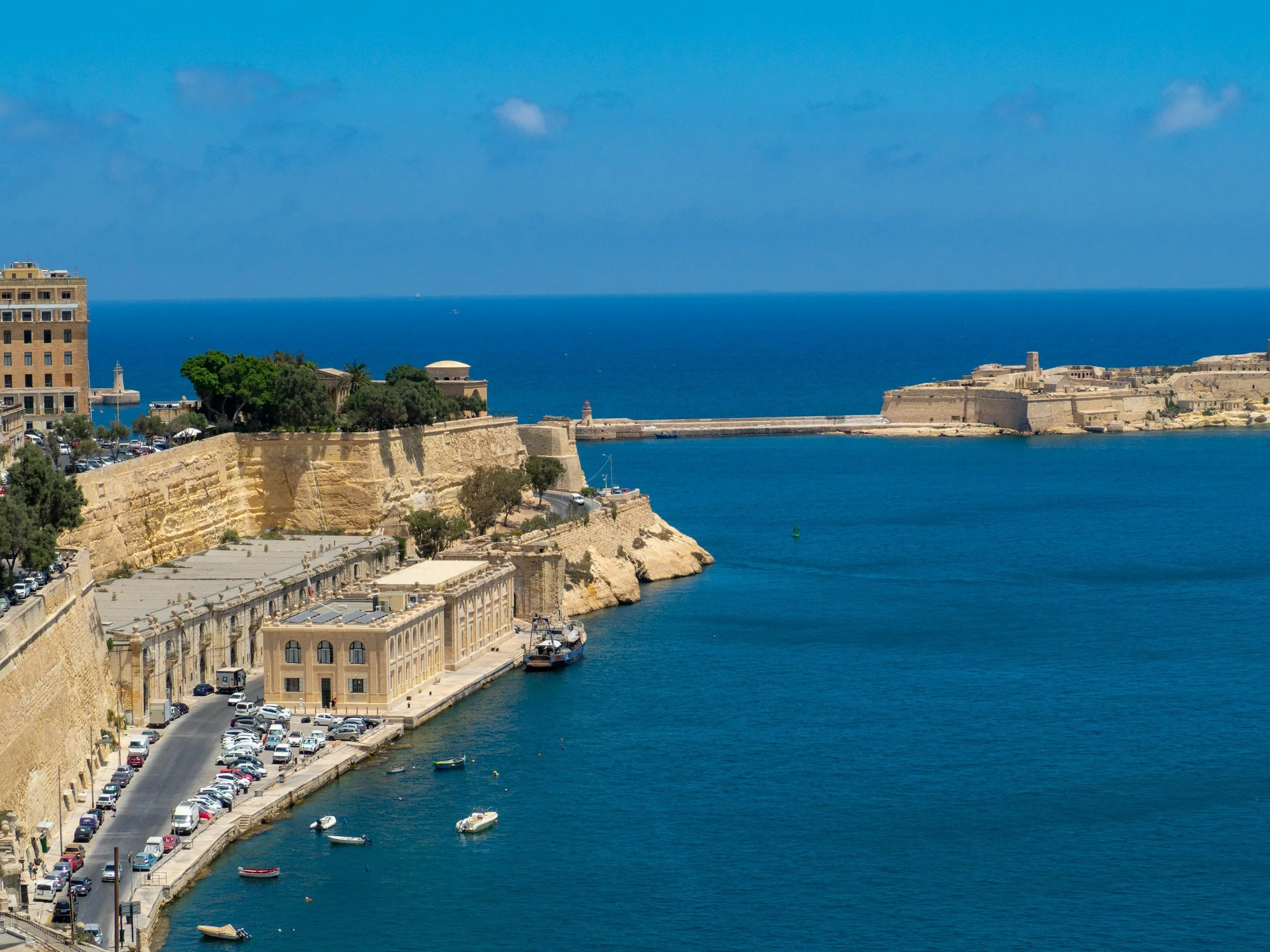
15. Marsaxlokk, Malta, This fishing village is known for its harbor of luzzu—brightly painted boats with the "Eye of Osiris."
A lively Sunday fish market is a local favorite, and nearby limestone cliffs lead to St. Peter’s Pool, a natural swimming spot. The village is sunny, colorful, and closely tied to the sea, with a warm Mediterranean feel.
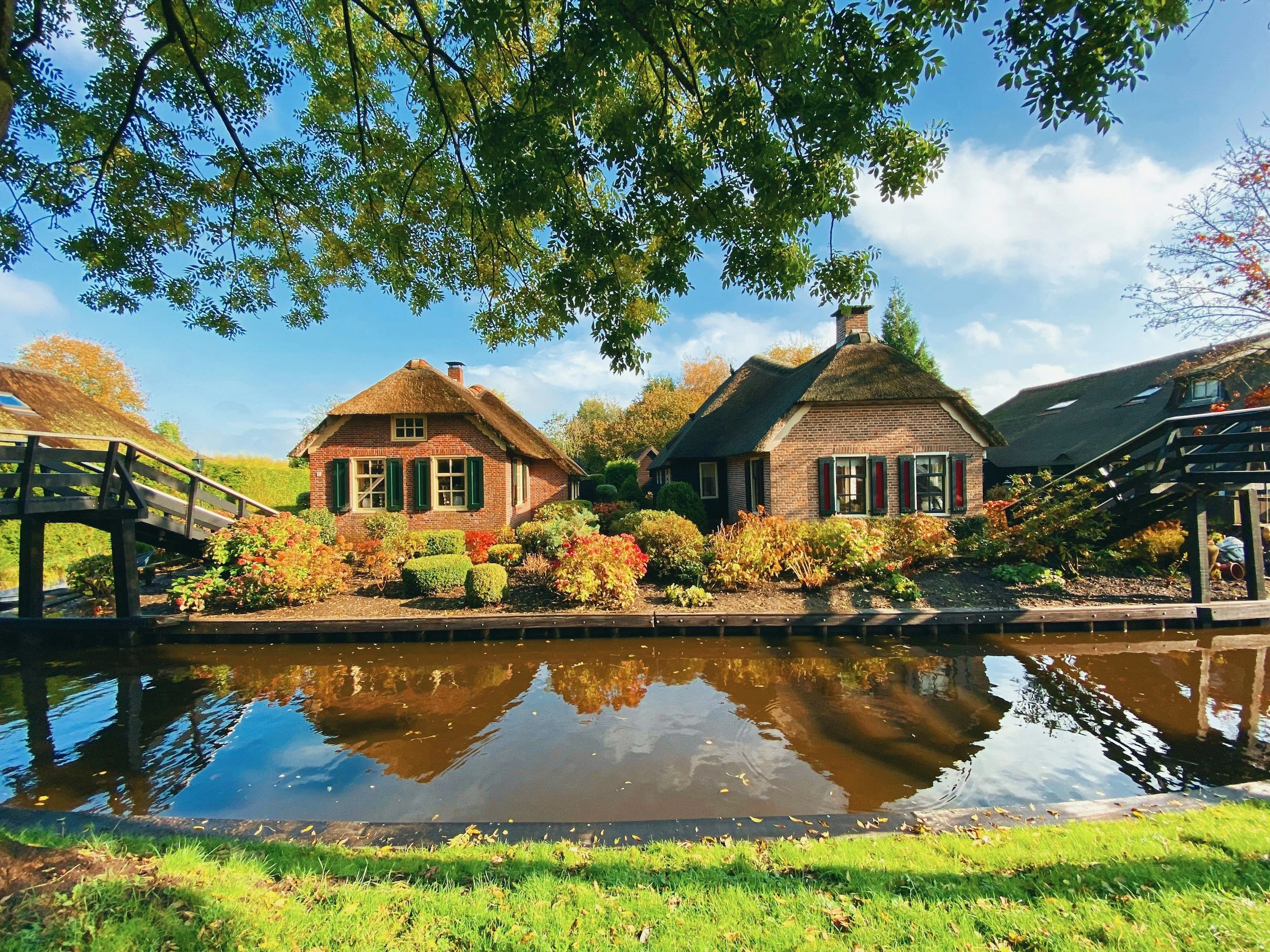
16. Giethoorn, Netherlands. Often called the "Dutch Venice," this car-free village replaces roads with a network of peaceful canals. Visitors navigate by silent "whisper boats" or footpaths, crossing over 170 small wooden bridges. The landscape is dotted with thatched-roof farmhouses and manicured gardens that look like a movie set. It is a quiet, watery paradise where the only sounds are the splashing of oars and the occasional bird call, offering ultimate serenity.
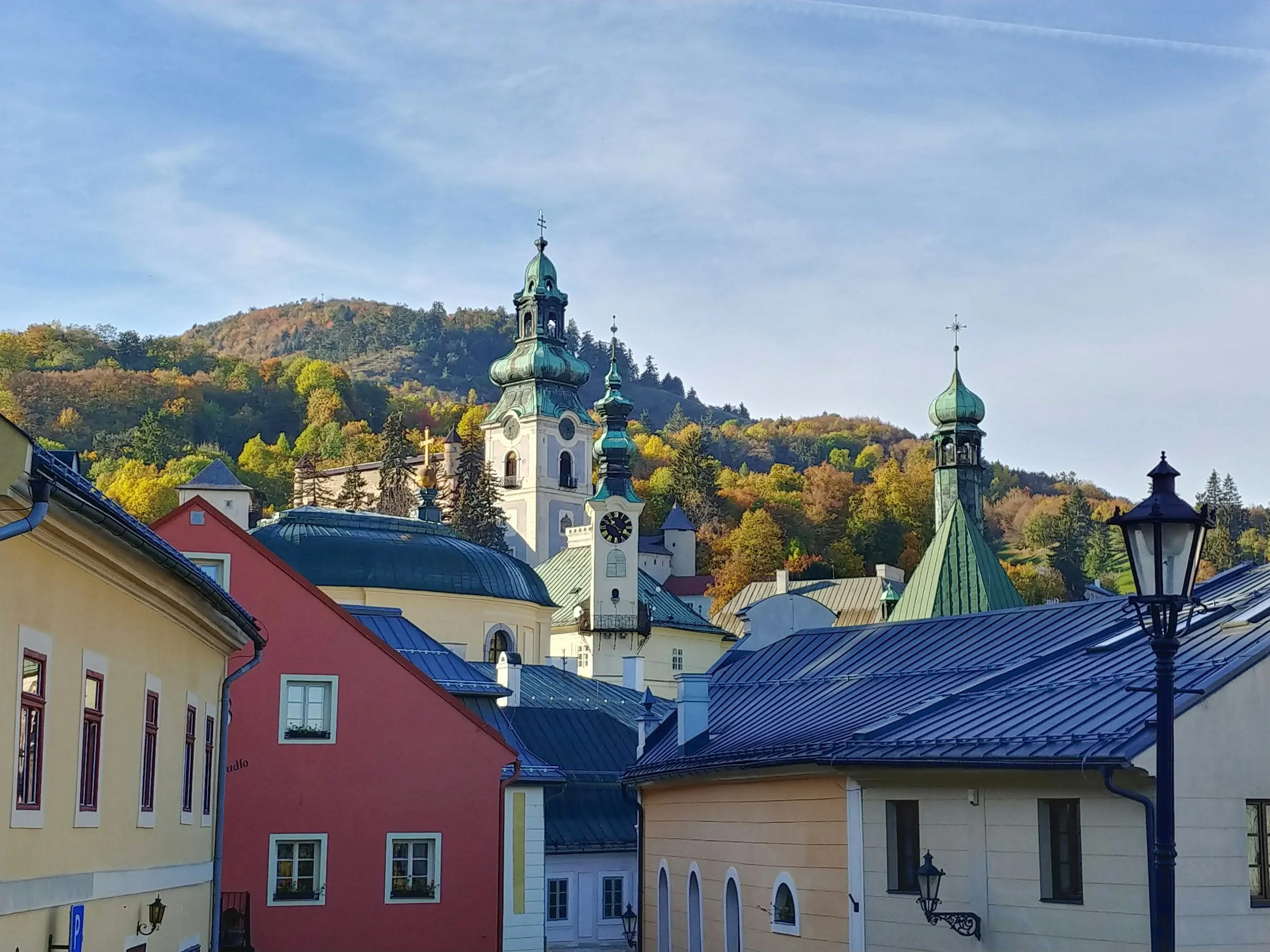
17. Banská Štiavnica, Slovakia, Inside an ancient volcanic caldera, this former silver-mining town has Renaissance palaces and Gothic churches. Its unique Tajchy—man-made mining reservoirs—are now turquoise lakes for swimming. Steep, winding streets and old squares show its past wealth. A hidden Central European gem, it mixes industrial history, natural beauty, and a lively arts scene.
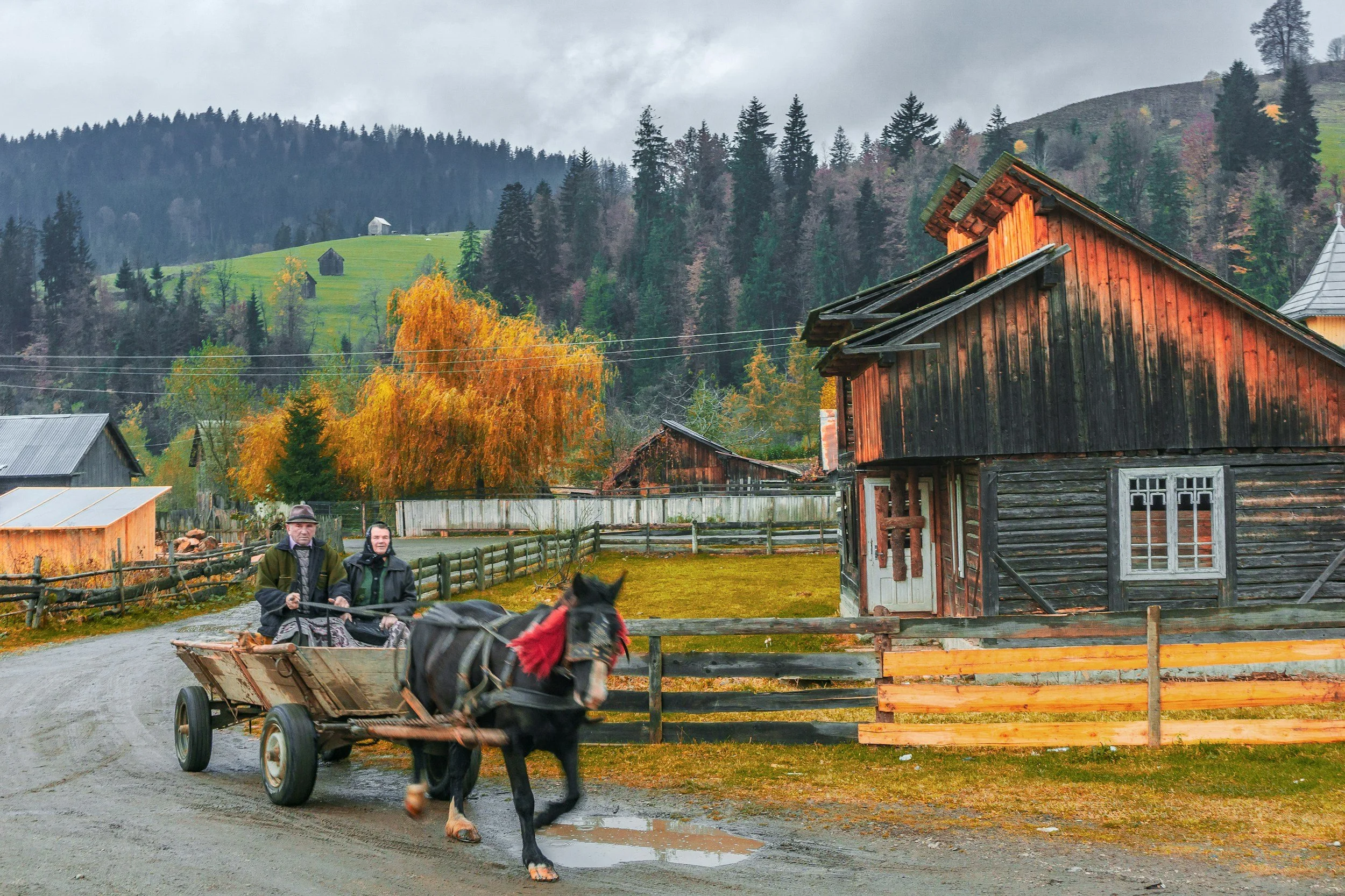
18. Sighişoara, România. This well-preserved medieval citadel has cobblestone streets, colorful houses, and a 14th-century Clock Tower. Visitors can climb the Scholars' Stairs to the peaceful Church on the Hill. Sighișoara is one of the few still-inhabited medieval citadels in Europe, so walking its streets feels like stepping into a living 16th-century storybook.
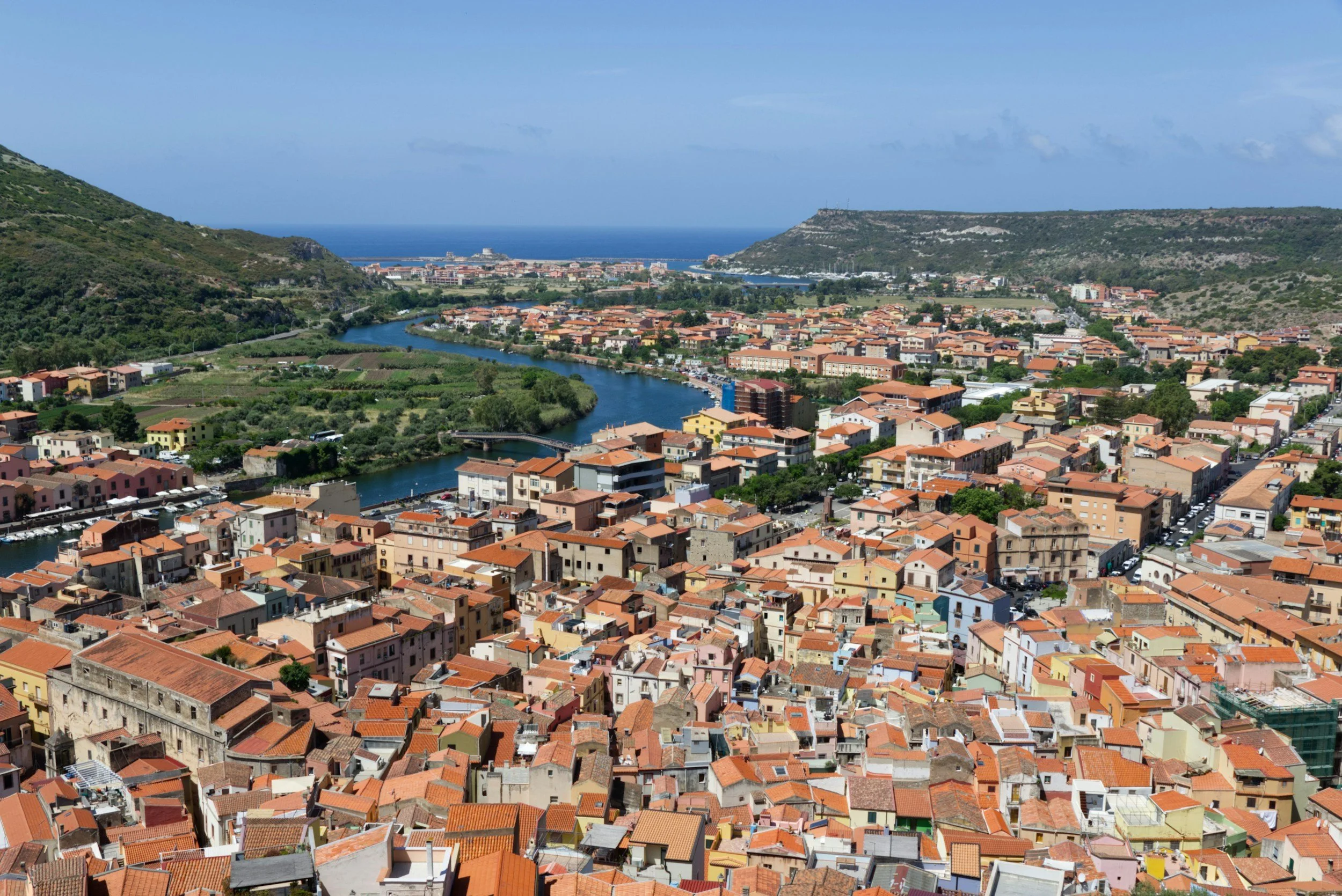
19. Bosa, Italy, On Sardinia, Bosa’s brightly colored houses line the Temo River. A hilltop medieval castle watches over a town known for lace and Malvasia wine. The vibe is genuinely Mediterranean—historic, coastal, and lively, with a raw, colorful charm.
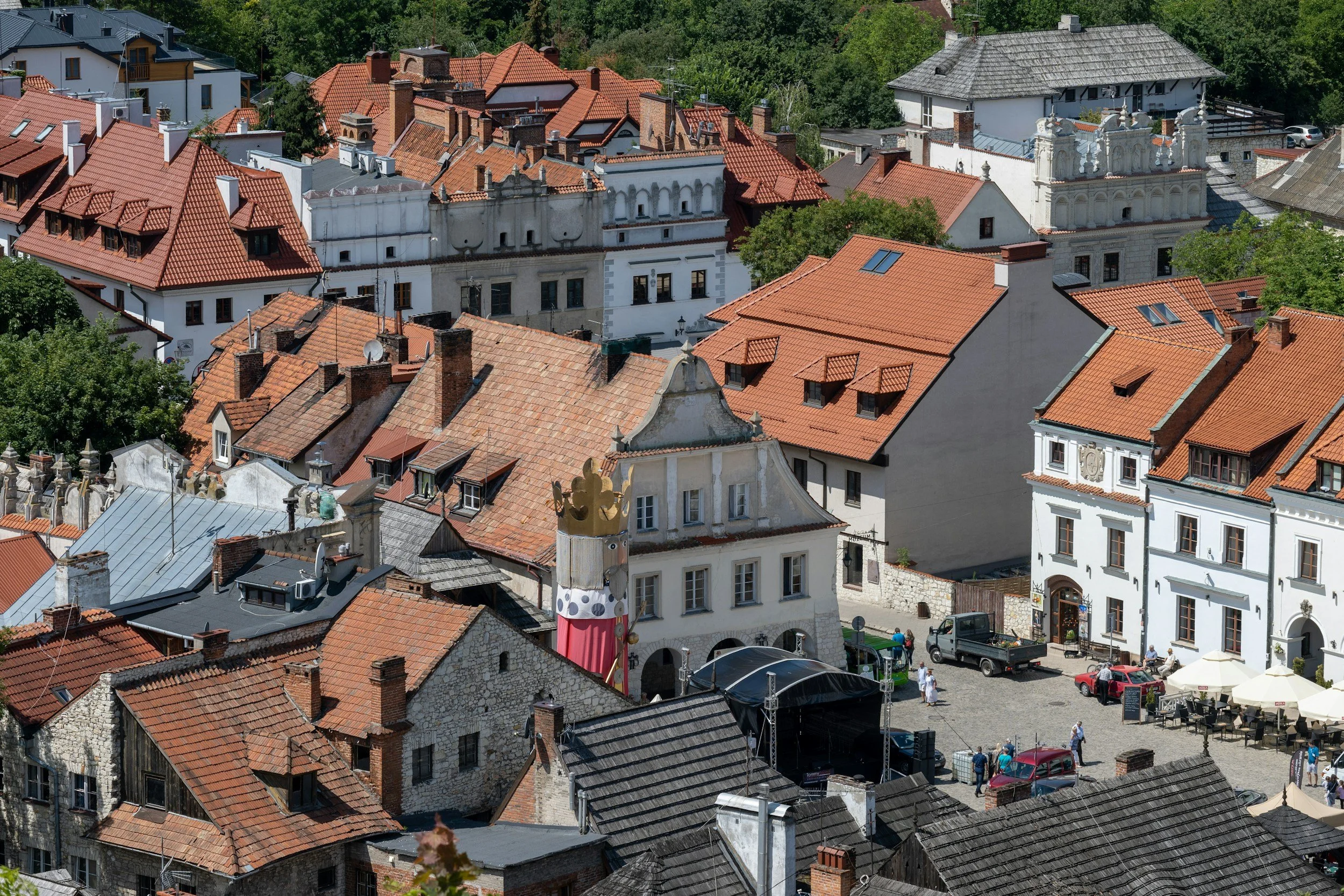
20. Kazimierz Dolny, Poland, For centuries, artists have been drawn to this Vistula town, famed for ornate Renaissance buildings and old granaries. Its golden‑age charm shows in the cobbled market square and 14th‑century castle ruins. Surrounded by loess gorges and green hills, it’s a scenic, peaceful retreat blending fine art with rural calm—one of Poland’s most beloved weekend escapes.
21. Rättvik, Sweden, On the shores of Lake Siljan, Rättvik is a vital center for Swedish folklore and tradition. It is home to a famous 628-meter wooden pier and the traditional "church boats" used by locals for centuries. The village is most vibrant during Midsummer, when folk music and dancing fill the air. It offers a deep connection to Sweden's rural roots, set against a landscape of deep forests and sparkling blue water.
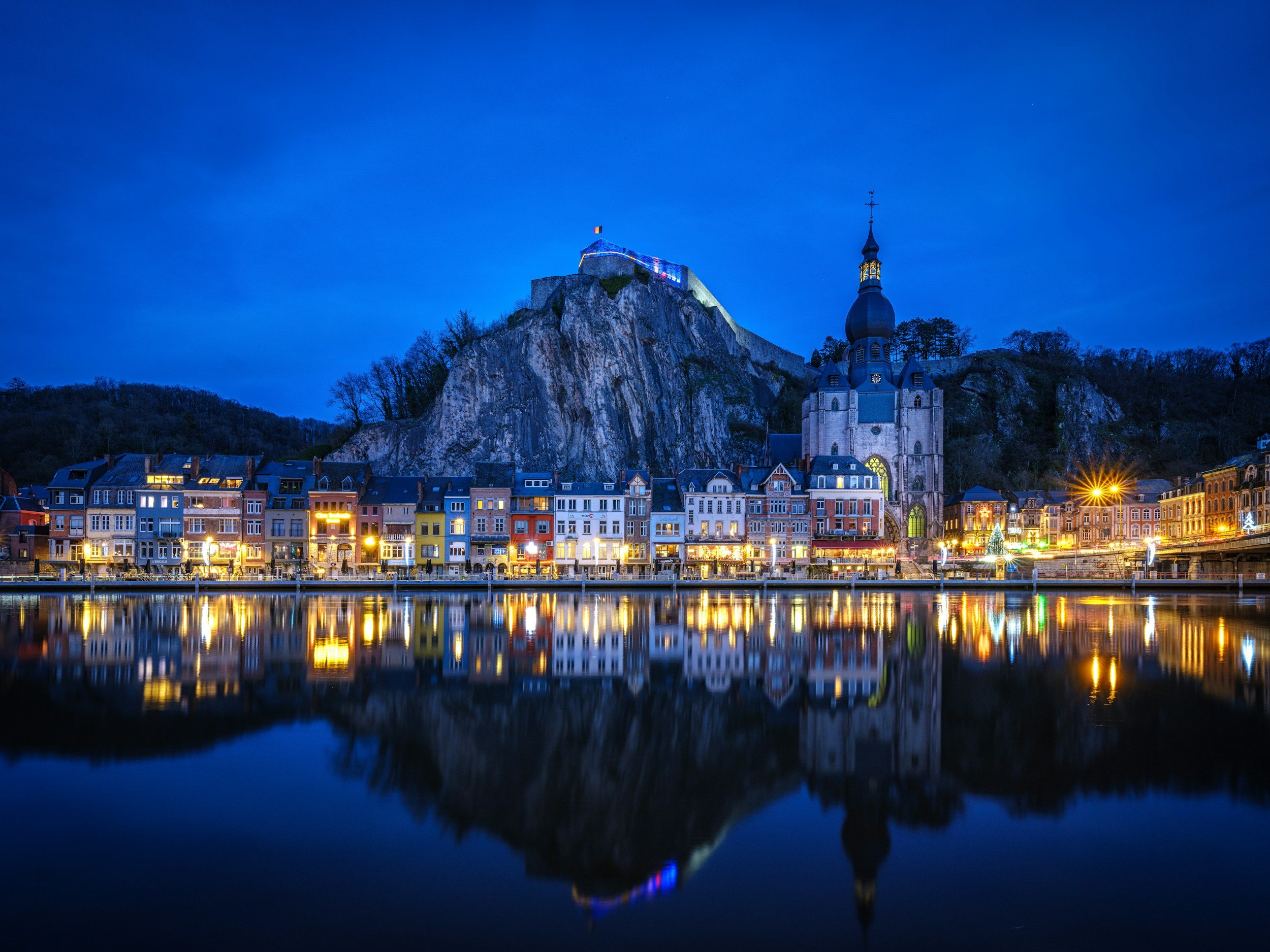
22. Dinant, Belgium Tucked dramatically between a sheer limestone cliff and the Meuse River, Dinant is the birthplace of Adolphe Sax, the inventor of the saxophone. Its skyline is instantly recognizable by the bulbous pear-shaped spire of its cathedral and the massive citadel towering above. The town is a blend of musical history and military grit, with narrow streets that offer wonderful Belgian chocolate, local "couque" biscuits, and stunning riverside views.