BEIJING, CHINA 5 Days
This itinerary visit the "Big Three" (Great Wall, Forbidden City, Temple of Heaven) while mixing in
local culture and imperial gardens of Beijing.
Beijing is the capital and the beating heart of China’s culture, politics, and global commerce. With a recorded history spanning over three millennia, it stands as the last of the Four Great Ancient Capitals. For much of the second millennium, it was the largest city on Earth, strategically developed between protective mountains to serve as the unassailable seat of the Emperor.
Today, Beijing is a global powerhouse, hosting the world’s largest concentration of Fortune 500 companies and boasting record-breaking infrastructure. The city’s architectural identity is a striking contrast: ancient, narrow hutongs and opulent imperial palaces exist alongside soaring modern skyscrapers.
Why you should visit: Beijing offers a rare, immersive "time-travel" experience. You can explore thousand-year-old imperial wonders and traditional alleyways while standing in the center of a
high-tech, record-breaking global superpower. It’s unforgettable.
<The Photo Gallery can be found at the bottom of the page>
-
Depending on your nationality, you may not need a visa to visit Beijing due to two policies:
1. The 240-Hour (10-Day) Transit Visa-Free Policy
China now often waives visas for short stays. Since late 2024, its transit policy was extended from 144 to 240 hours for citizens of 55 countries (including the USA, Canada, UK, Australia, and most of Europe).
The "Trick": You must be transiting to a third country or region. For example: USA → Beijing → Hong Kong or UK → Beijing → Japan qualifies.
A simple round trip (e.g., USA → Beijing → USA) does
NOT qualify.Movement: You are typically restricted to the Beijing-Tianjin-Hebei region during your stay.
Summary: If you are flying from the US to Beijing and then returning directly to the US, you will need to apply for a
10-year multiple-entry L-visa. If you can add a stop in a different country (like Japan or South Korea) on your way home, you can enter Beijing visa-free.
2. Unilateral Visa-Free Entry (30-Day Policy). “USA is not eligible”
For 2026, China has extended unilateral visa-free entry to citizens of over 40 countries for stays up to 30 days.
Eligible Countries: Includes much of the EU Australia, New Zealand, South Korea, and Japan, Canada and UK
The USA is NOT on China's 30-day unilateral visa-free list Quick Checklist for Visa-Free Entry:
Passport: Must be valid for at least 3–6 months.
Evidence: You must show a confirmed onward/return flight ticket.
Stay: You must register your address (hotels do this for you automatically).
Notice: travelwildnow is NOT responsible for errors, misunderstanding, or changes.
-
1. Alipay: Your Phone Is Your Wallet
China mostly doesn’t use cash anymore. Even though a new 2026 rule says shops must accept cash, almost everyone pays with their phone.
The “No Change” Problem:
Even if a store takes your 100 RMB bill, they might not have change to give you back. They expect you to scan a QR code and pay with your phone instead.It Does Everything:
Alipay isn’t just for paying. It can do many things inside one app:Didi – Like Uber. It’s easier than trying to get a taxi on the street, and you can type your destination in English.
Metro/Bus Codes – No need to buy tickets. Just scan your phone at the gate.
Ordering Food – Many restaurants don’t use paper menus anymore. You scan a QR code at your table to order and pay.
International Friendly: you can easily link your international Visa or Mastercard to Alipay without needing a Chinese bank account.
-
What it is:
Amap is the main map app in China.How it works:
Works very well in China
Good for walking, driving, метро, and buses
Shows live traffic
Shows small local places better than foreign apps
Mostly in Chinese
Best for: Using maps while you’re in China.
📌 Tips:
Beijing is huge, so do NOT try to rush it in a weekend. Here is how to handle the capital like a pro:
Timing is Key: Avoid Chinese public holidays unless you love massive crowds. Visit in early spring or fall
for the best weather and blue skies.Give it 5 Days: The city is massive and traffic is heavy. Give yourself at least four or five days to see the main sights
and the Great Wall without burning out.Start Early: Most sites (like the Forbidden City) close by 4:00 PM and have daily visitor limits. Book tickets online in advance and get there early to beat the rush.
Pick the Right Wall: Skip the "Disneyland" feel of Badaling. For a real hike with fewer people,
try the Jiankou section.Hire an English-speaking driver, as very few people speak English outside the city.
Treat Yourself: Beijing is exhausting. Splurging on a nice hotel gives you a quiet place to recover
from the chaos.
Travel Guides: Lonely Planet Beijing or DK Top 10 Beijing
Travel Adapters: Type A, C, I. Which is "most common"?
Type A and Type C are equally common. Almost every Chinese outlet is designed to take both.
Less common is Type I (used for ground devives).
Google, Facebook, and WhatsApp are blocked, so a reliable VPN (installed before you land) is mandatory for
basic communication.👮 China (including Beijing) is generally a very safe country for visitors, including walking alone at night.
One area to watch is petty theft: Pickpocketing happens in crowded places like subways, train stations, and busy markets (for example, Beijing’s Silk Market).
Don't photograph anything "official"—police stations, military vehicles, certain bridges, or government buildings.
DAY 1
Arrival at Beijing airport and transfer to your hotel.
Stroll Jingshan Park for a 360-degree overlook of the Forbidden City.
Evening: Instead of a formal tour, take a leisurely stroll through
Wangfujing Pedestrian Street right outside your door.
It’s vibrant, neon-lit, and the perfect "soft landing" into Beijing.Dinner suggestion: Casual local dumplings.
Where to stay: Wangfujing is central and convenient.
Why it’s ideal: Close to Tiananmen Square and the Forbidden City
(15–20 minutes on foot or a short subway ride) and highly accessible.Hilton Beijing Wangfujing, Waldorf Astoria Beijing and
The Peninsula Beijing are top choice for visitors.You will be based at a single hotel for the entire stay, with no need
to pack or move between accommodations.
DAY 2
The Imperial Heart:
Morning: Tiananmen Square and the Forbidden City.
(Note: Aim for the 8:30 AM entry to beat the 10:00 AM tour groups).
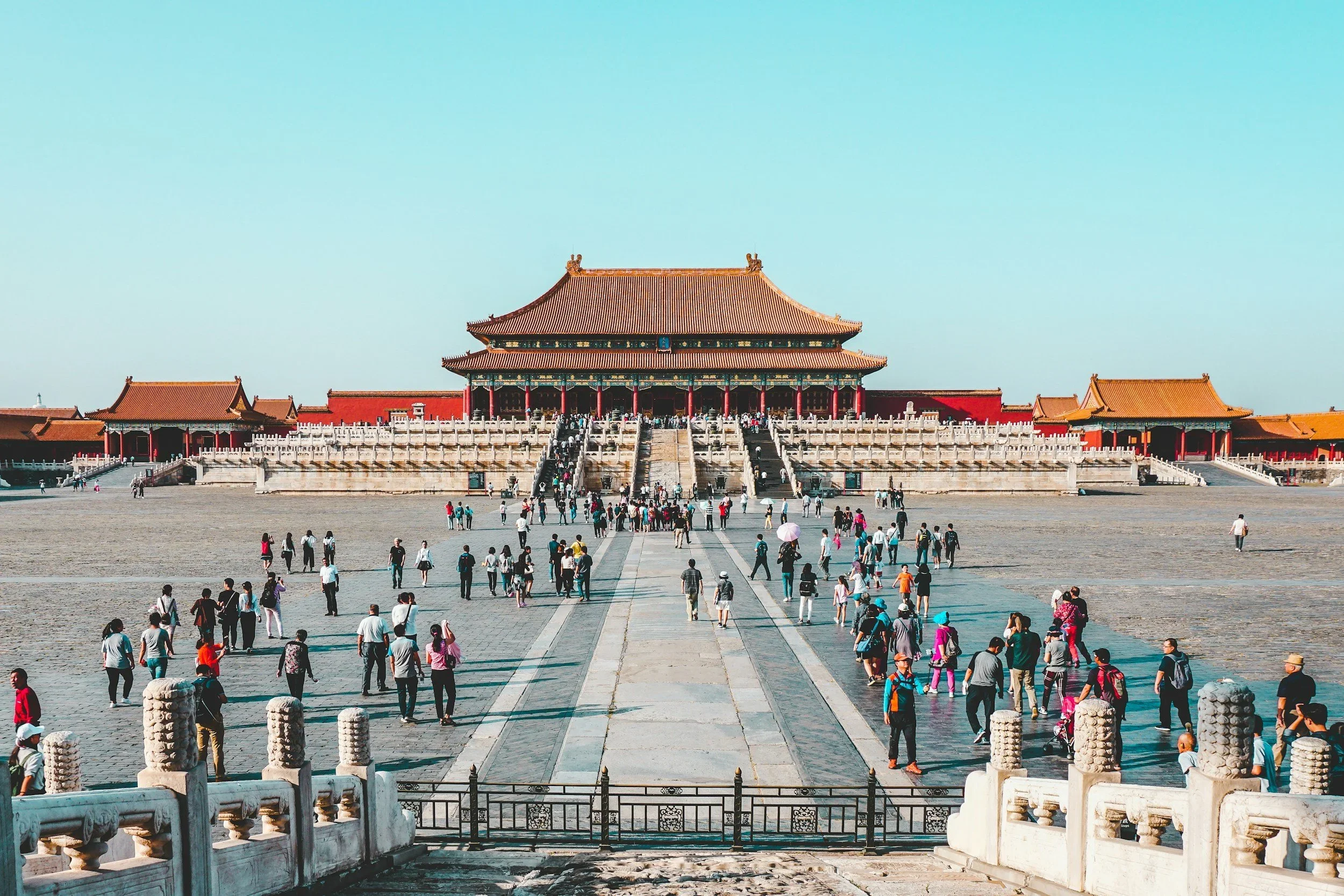
⛩️ The Forbidden City is a massive, 600-year-old palace in the heart of Beijing.
For centuries, it was the secret home of 24 Chinese emperors and their families.
Today, it is a world-famous museum where you can see how royalty lived.The Main Sights The palace is split into two halves. The South part was for
big ceremonies. It features the Three Great Halls, where the emperor sat on
a "Dragon Throne" to make big decisions.
The North part was the private home where the royal family lived and slept.Cool Things to See:
The Walls: You can walk along the 30-foot outer walls.
It’s a great way to avoid crowds and get great rooftop photos.The Treasure Gallery: A small palace filled with gold, silver, and jade.
See the Nine Dragon Screen, a colorful tile wall.The Imperial Garden: Behind, a park with ancient trees and rock gardens.
The Clocks: A renowned gallery of remarkable mechanical clocks from around the world.
Visit Tiananmen Square before the Forbidden City. Go to Tiananmen Square first.
The Forbidden City only lets visitors move south-to-north, so this avoids backtracking.Morning plan 7:00–7:30 — Arrive at Tiananmen Square Security can take 30–60 minutes even with a reservation.
Come early so you don’t miss your Forbidden City slot.Walk north under Mao’s portrait at Tiananmen Gate through the Meridian Gate Pass to reach the Forbidden City entrance.
Enter at your reserved time. Book early to avoid later tour groups.
Quick checklist:
Book ahead: both sites need separate reservations (Tiananmen is free; Forbidden City often sells out a week early).
Around 16 million visitors a year, so it’s busy. Important: Bring your passport for
security checks and ticketing.Lunch tip : Traditional Zhajiang Noodles (Beijing’s signature pasta).
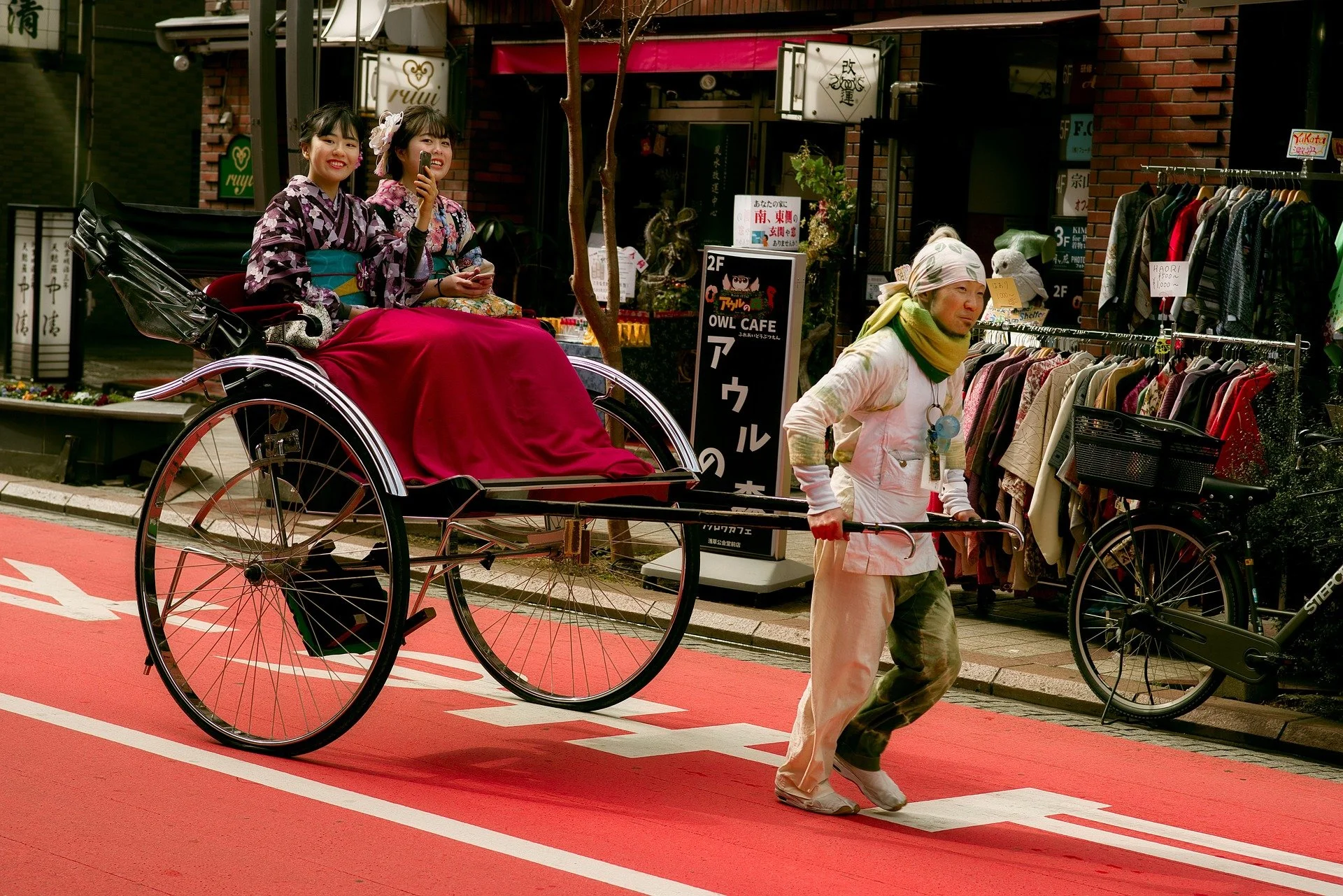
Afternoon: Rickshaw ride through the Hutongs. This is your "wow" cultural moment.
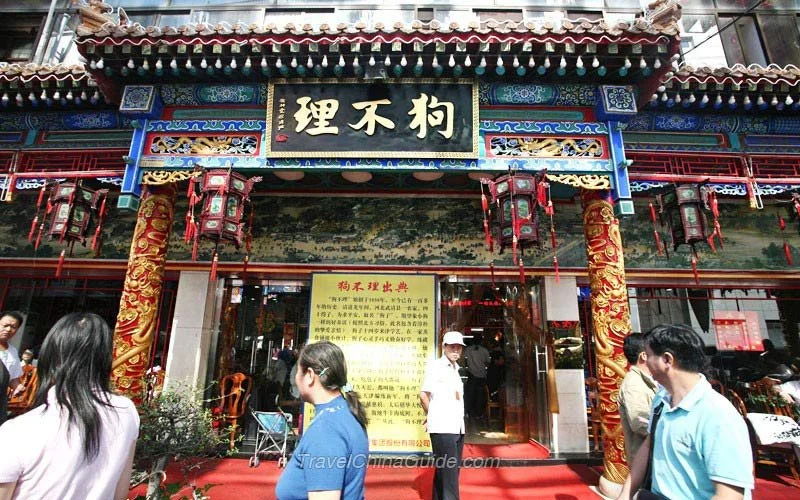
Dinner suggestion: Peking Roasted Duck. (Siji Minfu near the Forbidden City).
Overnight: You are based at a single hotel for the entire stay.
Day 3
The Great Wall & Olympic Spirit
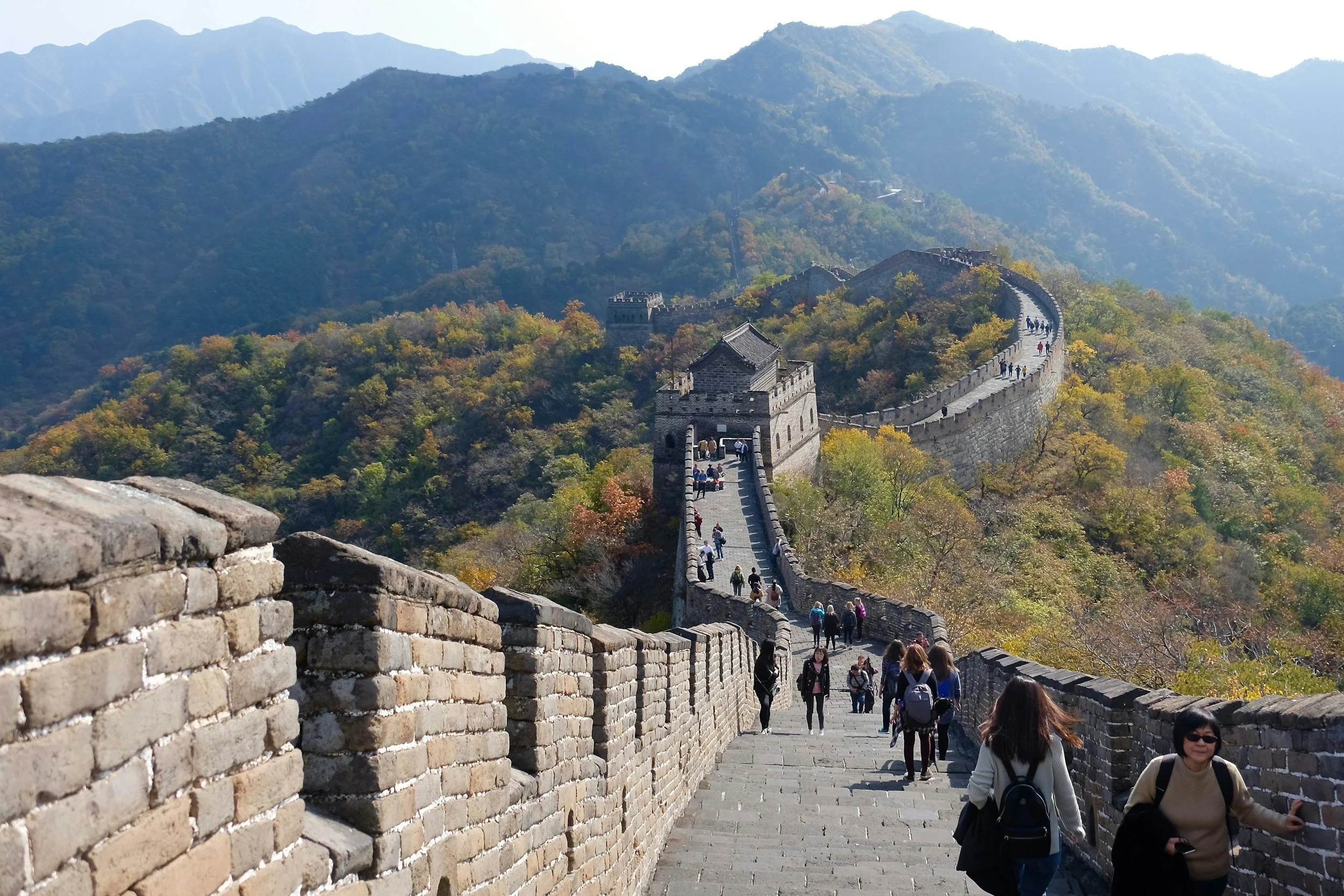
Visit the Mutianyu Great Wall. Take the cable car up, walk the wall, and ride the toboggan down, a thrilling highlight.
Mutianyu (Best overall)
Why go: Great views, many watchtowers, and forested mountains.
Drive: ~90 minutes each way.
Scenery: Wall winds along ridges; 90% forested — beautiful in spring and fall.
Perks: Cable car or chairlift up; popular toboggan ride down.
Crowd: Less busy than Badaling; fully restored and safe.
Later that afternoon: On the way back, stop briefly for a photo at the Bird’s Nest (Olympic Stadium) — striking architecture, no long tour required.
Overnight: You are based at a single hotel for the entire stay.
DAY 4:
Today is directed toward the Summer Palace, Monks, and Michelin Stars.
Morning: Summer Palace. Focus on the Long Corridor and a boat ride on Kunming Lake.
Experience royal splendor 30 minutes from Beijing at the Summer Palace, built by Empress Dowager Cixi. Stroll its pavilions,
take a boat across Kunming Lake—and remember the 10,000 laborers forced to build it.
Lunch: Near the Summer Palace (Try the "Imperial Cuisine").
Afternoon: Visit the Lama Temple (Yonghegong).
With sloping orange-tiled eaves by an elevated ring road in central Beijing, Yonghegong (the Lama Temple) has been the city's
Tibetan Buddhist center for over three centuries. Amid incense and praying monks, visit the Hall of Boundless Happiness for a startling, immense surprise.
Experience a Michelin-level dinner : at Zijin Mansion. <directions from Hilton Beijing Wangfujing>
Day 5: Local Life & Temple of Heaven
Early Morning: Temple of Heaven. This is the best place to see the Tai Chi, fan dancing, and "water calligraphy" in the park. It is the most "authentic" Beijing experience.
Afternoon: White Pagoda Temple (Miaoying). It’s quiet, stunning for photography, and much less crowded than other sites.
Late Afternoon: Free time for last-minute souvenir shopping or relaxing or Jingshan Park for a 360-degree overlook of the Forbidden City.
Day 6:
Transfer to the airport for your flight home or to your next destination.
The Forbidden City is open Tuesday through Sunday from 8:30 AM to 4:00 PM, and it is strictly closed every Monday.
Tickets are absolutely essential and must be booked in advance. The palace complex operates under a strict daily visitor cap, and physical tickets are no longer sold
on-site. You should secure your entry exactly seven days in advance through the official Palace Museum WeChat mini-program or website. <Reservations>
-
The Forbidden City is open Tuesday–Sunday, 8:30 AM–4:00 PM. It is closed on Monday.
Tickets are required and sold only online. The palace limits daily visitors. Buy your entry exactly seven days before via the official Palace Museum website or WeChat mini-program. <Reservations>


-
1. Will I be attacked by a bear in the Canadian Rockies ?
Bear encounters are common in the Canadian Rockies, however it is very very uncommon to be attacked by a bear unless you get too close or do something stupid ! Plain truth. Bears are shy creatures and are more scared of humans than we are of them!
The general rule is, as long as you act correctly, you'll be fine. If you're hiking outside of the more popular areas, always carry bear spray and know how to use it. Bear spray can be bought in any general store. To avoid confrontations with bears while hiking, always make noise, talk or sing loudly to alert them of your presence.
2. Will I be able to witness the Aurora Borealis ?
NO. Places like Banff or Jasper are too far south so the chances of seeing an aurora display in Banff is very unlikely, than somewhere further north like Yellowknife in Northwest Territories. Yellowknife is in fact one of the best places in the World to see the Northern lights.
3. Is driving in the Canadian Rockies safe ?
Yes, Canada's roads are excellent. With wide lanes and plenty of signs, it's easy to navigate.
4. Is there tipping for resturants and other services in Canada ?
Tipping is expected in Canada much like the USA but generally it's a little less than the US 20% norm.
5. Should I make hotel reservation well in advance ?
Yes, the sooner the better, because peak season is June thru September so the season is short.
Popular hotels can book out more than 6 months in advance.
6. Do US citizens need a passport to/from Canada ?
Passport requirements have been a complicated and ever-changing issue for U.S. travelers to/from Canada.
We STRONGLY RECOMMEND to have a valid US. passport to lessen any unexpected complication. The Canadian government requires citizens of the United States to have a passport to fly to or transit through a Canadian airport, but not to enter Canada by land or by boat. For those travelers, in lieu of a passport, Canada requires that you carry proof of your citizenship, such as a birth certificate, certificate of citizenship or naturalization, or a Certificate of Indian Status, as well as photo identification.



Average cost:
(EXCLUDING AIRFARE)
$$$ USD for two (2) people
Budget: $2,000
Moderate: $3,000
Luxury: $4,300 +

🌤️ Climate
June, July and August are generally the hottest months of the year.
The coldest months are usually in January, February and December.
The driest period occurs in January, February, March, November and December, with rainfall remaining under 15 mm.
May is often the sunniest month, ideal for exploring the area.
















Source: Wikipedia, Government Canada Parks., hikejasper.com, venture beyond.No copyright infringement is intended on this website by travelwildnow.com